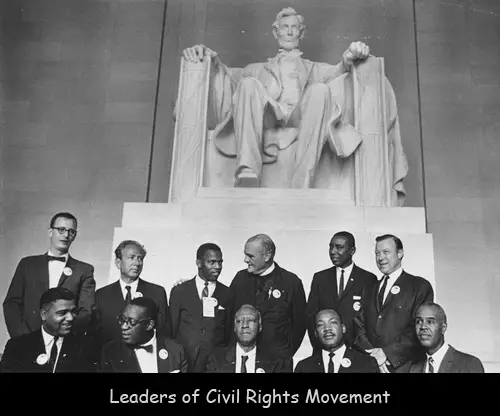
The civil-rights movement set off a domino effect. Numerous other groups, including Native Americans, Hispanics, and women began protesting for equal treatment. Across the country and on college campuses, people protested in marches and sit-ins.
Fun Facts
- The modern women’s movement was sparked by the book, The Feminine Mystique, by Betty Friedan, which was published in 1963. For many years, women’s only roles were those of homemaker and mother. Bright, intelligent women were often bored and unsatisfied as their children grew older and needed them less. Friedan’s book said that women should have more choices. They could be good mothers and have satisfying careers that used their skills too.
- In 1970, the women’s movement celebrated the 50th anniversary of the Nineteenth Amendment, which gave women the right to vote. Women across the country celebrated with marches. At the same time, they demanded greater equality, including equal pay.
- The National Organization for Women (NOW) picketed the White House in support of pro-choice laws that would make abortion legal. In 1973, the Supreme Court legalized abortion (Roe v. Wade).
- Mexican-Americans began voting and running for local office. They asked school districts to teach both English and Spanish in schools. Cesar Chavez worked in California to negotiate more rights for migrant workers.
- Lawyer, Ralph Nader, pushed for better safety standards in cars. Soon others began demanding safer products.
- In 1970, the Environmental Protection Agency (EPA) was established to regulate pollution and create standards for clean air and water. Rachel Carson’s book, Silent Spring (1962) warned the public about the dangers of pesticides.
- In 1972, leaders of the American Indian Movement (AIM) took over the Bureau of Indian Affairs in Washington, D.C. Tribes across the country were living in deplorable conditions on reservations. Several groups sued for better treatment. The South Dakota Sioux were awarded $100 million for lands that had been unfairly taken from them. Some tribes were awarded more land or were able to stop industry, such as strip-mining on their lands.
- Gays were often treated with hostility and violence. It was common for police to arrest them without cause. In 1969, a group of patrons at the Stonewall Inn, a bar in Greenwich Village, trapped police in the bar after police entered the bar to harass them. Over 2,000 people protested against the police that night, sparking gay rights protests around the country.
Vocabulary:
- Domino effect: when one action sets off a chain of reactions
- Patron: a customer
- Pesticide: chemicals used to kill insects or other animals deemed harmful
Questions and Answers
Question: Did other groups lobby for equal treatment?
Answer: Yes. People with disabilities asked for equal treatment. New laws required businesses to make reasonable accommodations, such as accessible parking spaces and ramps, for people with disabilities. Schools must provide an “appropriate” education for children with special needs.
Learn More
Learn more about how to help children with disabilities.