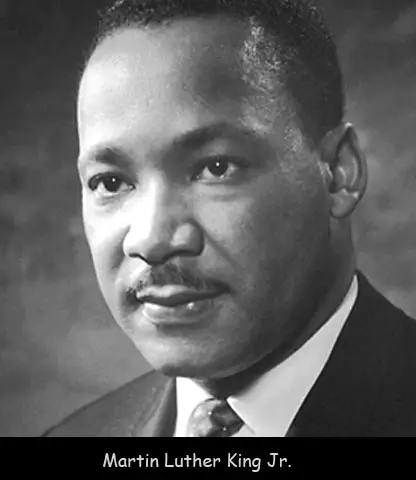
The civil rights movement of the early 1960s focused on peaceful protest. Leaders like Martin Luther King, Jr. organized marches and speeches to create change. In the mid-1960s, the civil rights movement became more violent on both sides.
Fun Facts
- African-Americans living in the South experienced greater violence against them. White civil rights workers were also the targets of racial violence. In 1964, three young civil rights workers were murdered by a Ku Klux Klan group. The Ku Klux Klan organization’s goal was to maintain racial segregation, often through violence and intimidation.
- In 1965, Martin Luther King, Jr. led a march to Montgomery, Alabama to encourage black citizens to vote. Along the way, police attacked the marchers. Footage of their cruel behavior was shown on television. This footage angered African-Americans, but also led more whites to support the civil rights cause.
- After the Voting Rights Act of 1965 was passed guaranteeing African-Americans the right to vote, African-Americans in the Watts neighborhood in Los Angeles began looting and rioting. They were angry over rumors of police brutality against a black man. Buildings were set on fire and looters broke into shops.
- Riots broke out in other cities as mobs started fires, shot people, and looted white-owned stores.
- During this time, some African-American leaders began talking about separating completely from white society, rather than trying to segregate. Black Muslims were especially interested in the separatist movement. Malcolm X, the leader of the Nation of Islam, was assassinated in 1965.
- Stokely Carmichael disagreed with King’s ideas about peaceful protest, which he thought were ineffective. His “Black Power” movement encouraged blacks to take control of their own lives and communities.
- Martin Luther King, Jr. disagreed with the idea of separation. He continued to work for peace until his assassination on April 4, 1968. After his death, riots broke out in 125 cities around the country. The National Guard and federal troops were called in to restore order.
Vocabulary
- Racial segregation: the practice of keeping races separate
- Brutality: violence
- Loot: to break into a store, home, or business with the intent of stealing property and causing destruction
Questions and Answers:
Question: Was the civil rights movement successful?
Answer: Laws now protect minorities against discrimination and guarantee the right to vote, go to school, and to work. Many people have worked hard to change unfair, racist attitudes and build strong relationships. However, we still have problems in the U.S. that occasionally flare into violence.
Learn More
Visit National Geographic Kids to learn more about Martin Luther King, Jr., one of the most prominent leaders of the civil rights movement.