Hinchliffe Stadium
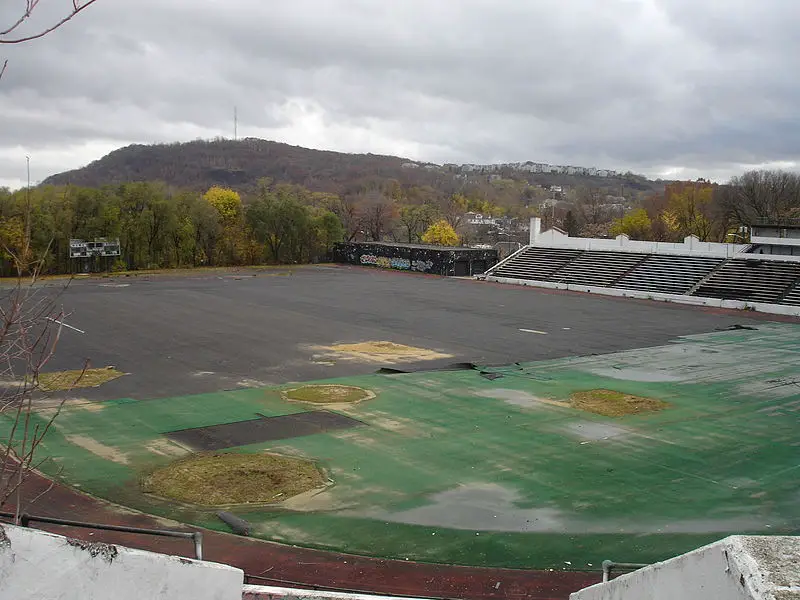
Hinchliffe Stadium is a historic baseball stadium because it was the home of the New York Black Yankees of the Negro League baseball during the Jim Crow era of segregation. It was a thriving stadium for more than 50 years, but is crumbling today. Efforts to restore it have been slow.

Fun Facts
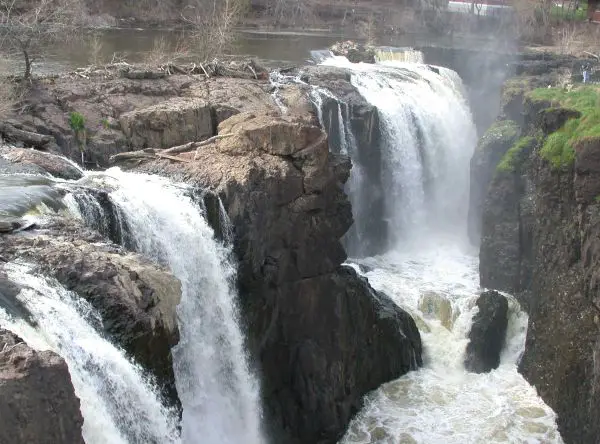
- The 10,000 seat stadium sits above the National Historic Landmark of Great Falls in the historic district of Paterson, New Jersey. Paterson was the first planned industrial settlement in the country and goes back to 1792.
- During the early 20thcentury, baseball was a very popular sport. A “stadium movement” swept the nation and many communities built baseball fields.
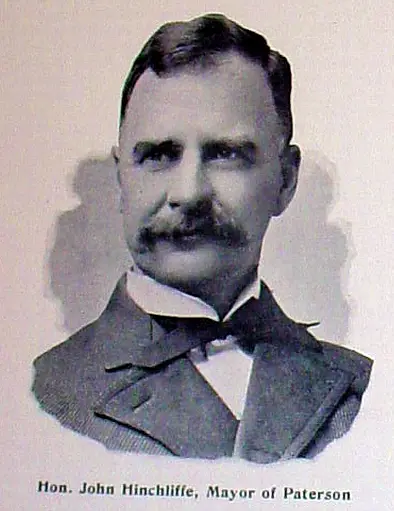
- Mayor John Hinchliffe proposed and oversaw the stadium’s construction. The mayor had owned a brewery, which was closed during Prohibition. The stadium construction gave many men jobs after they were laid off from mills during the Great Depression.
- From 1932 to 1945, the New York Black Yankees called this stadium their home. Some of the best baseball players in the country played here. After World War II, the team moved to the Red Wing Stadium in Rochester, New York.
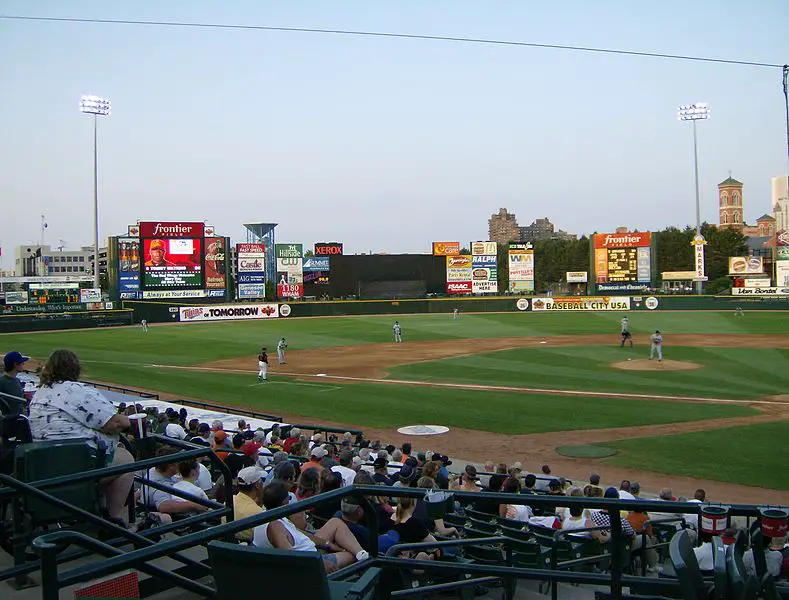
- Later, the stadium hosted boxing, auto racing, football, and even concerts. Duke Ellington performed one of his last concerts here.
- The school district owned the stadium in later years. It needed expensive repairs, which the school district couldn’t afford to make. Several attempts to raise money and renovate it have been somewhat successful, but the work isn’t complete yet.
Vocabulary
- Jim Crow: a series of laws passed in the late 1800s through early 1900s that made segregation legal
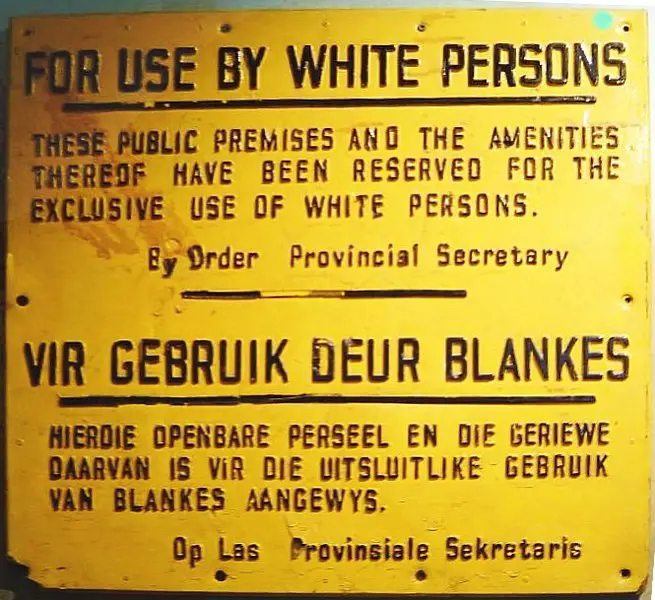
- Segregation: the practice of separating African Americans and whites, including in restaurants, buses, and schools
- Industrial settlement: an industrial area that includes factories, mills, etc. Paterson is known as the birthplace of the industrial age in America because of its many mills.
Questions and Answers
Question: Why did the school district own the stadium?
Answer: In addition to hosting one of the best baseball teams in the country, the stadium was shared by two high schools from the time it opened until the 1960s.
Learn More
Learn how to help save the stadium.