
Email: [email protected]
Email: [email protected]
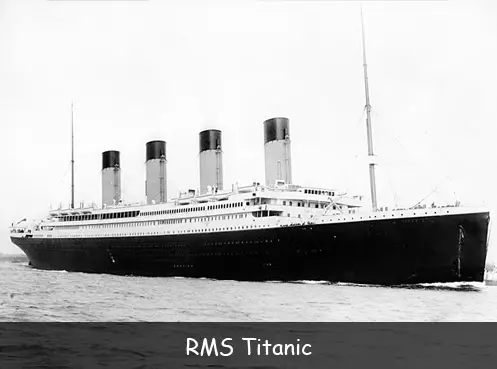
New inventions, such as the telephone, electric lights, trolleys, and the first movie cameras, created a sense of optimism and trust in the power of engineering and scientific discovery. Architects built towering skyscrapers and opulent public buildings; engineers built automobiles, airplanes, and cruise liners. This sense of limitless possibilities was…
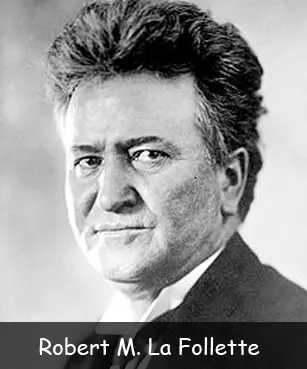
Most of the Founding Fathers believed in a government that gave states and communities the power to make decisions on local issues. They worried that a powerful Federal government had the potential to become corrupt. The Constitution was written with the goal of limiting Federal power and protecting individual liberty.…
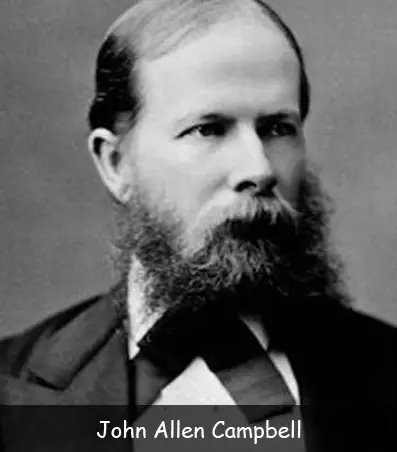
The U.S. Constitution didn’t prohibit women’s right to vote, but it didn’t guarantee it either. Until 1920, when the Nineteenth Amendment was ratified, states were allowed to decide the issue. Interestingly, it wasn’t the “progressive” states of New England and the East Coast that first gave women the vote, but…
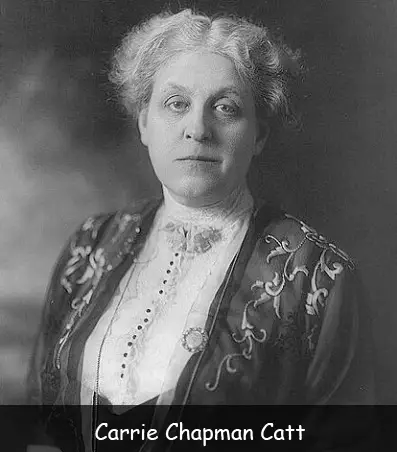
The Industrial Revolution of the 1800s changed life in America forever. Urban areas grew quickly and, for the first time, a small percentage of Americans (one percent) controlled 70 percent of America’s wealth. People began seeking change. Many Americans began fighting to solve the problems of widespread poverty, unfair working…
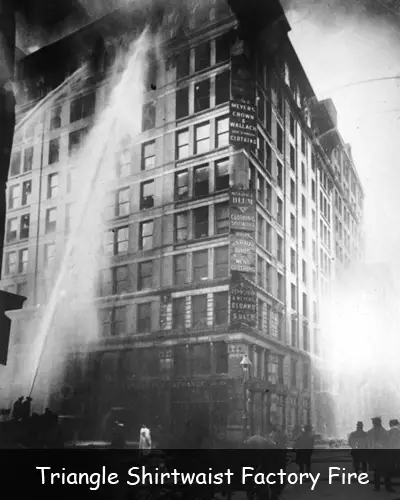
The late 1800s to early 1900s were a time of hope and optimism as the middle class enjoyed greater prosperity and comfort than ever before. Yet, immigrant factory workers in New York City worked in dismal conditions just blocks from the mansions of wealthy factory owners, never taking part in…
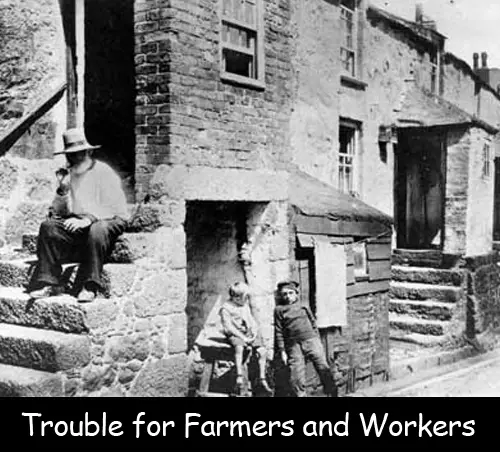
The course of history seems to be that as we find solutions to one problem, we often create new ones. In the late 1800s, factories provided goods to people more quickly and cheaply than ever before. At the same time, advances in farm equipment and techniques meant that farmers could…
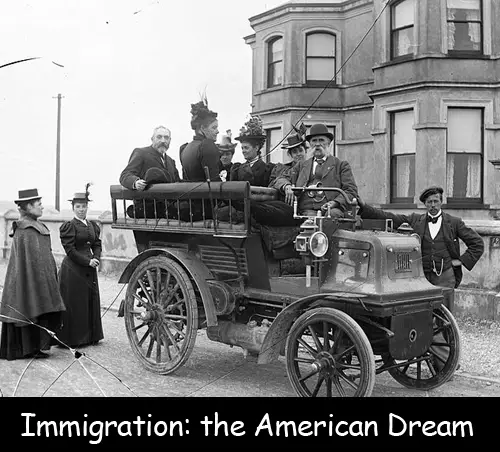
Between 1880 and 1920, almost 25 million people came to America from other countries. Most of these immigrants came from Europe. They came to escape terrible poverty in their own country, having often heard rumors that the streets of America were paved with gold. They believed that America was a…
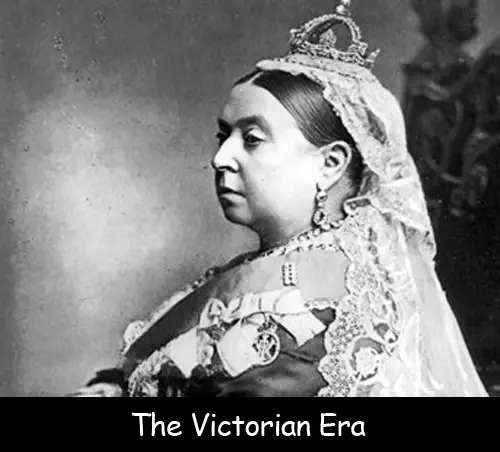
The Victorian Era, named for Great Britain’s Queen Victoria, was a time of tremendous change in both America and Europe. Inventions like electric light, the vacuum cleaner, and even the first electric iron, made life easier for many Americans. They had more time for recreation, art, and literature. For the…
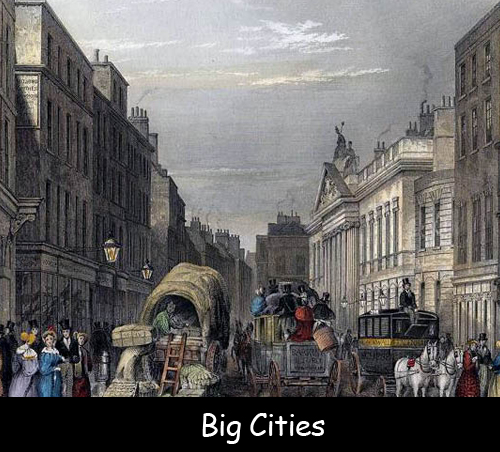
Until the late 1800s, most people in America lived in small farming communities. The Industrial Revolution changed all that as people came to the cities looking for work. European immigrants arrived in America hoping for a better life. New inventions, such as the telephone and electric lights, made life easier…
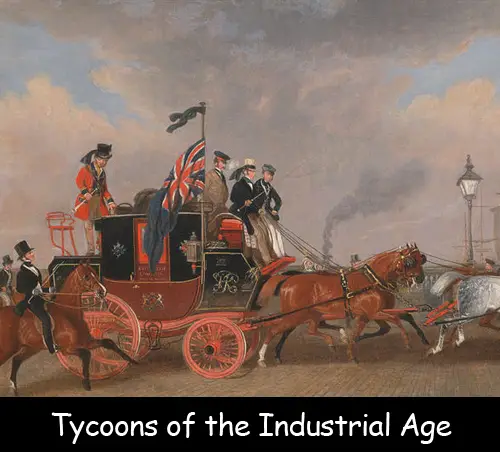
The poor generally remained poor during the Industrial Revolution, but a few ambitious men made huge fortunes. These men saw the changing times and seized opportunities. They made their businesses as efficient and streamlined as possible. And they used ruthless business practices to drive competitors out of business. Some people…
