
Email: [email protected]
Email: [email protected]
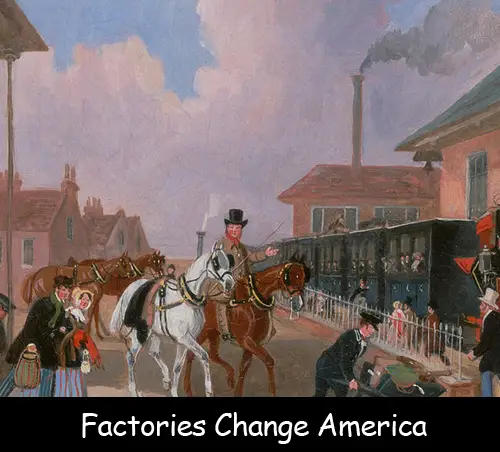
The late 1800s were a time of great change for the United States. Before the Civil War, most people lived in small villages and worked on farms. Life revolved around the home, where most of a family’s necessities were produced. Families raised livestock and grew much of their food. They…
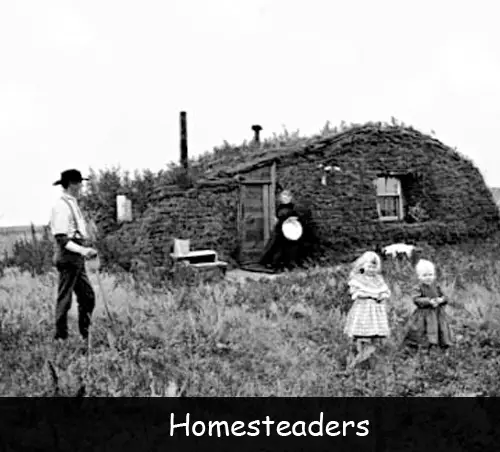
Western guidebooks described the plains area as a place with little water or firewood. But when the Homestead Act of 1862 was declared, even these dire descriptions couldn’t discourage settlers looking for a better way of life. Fun Facts Anyone was allowed to claim a tract of 160 acres. The…
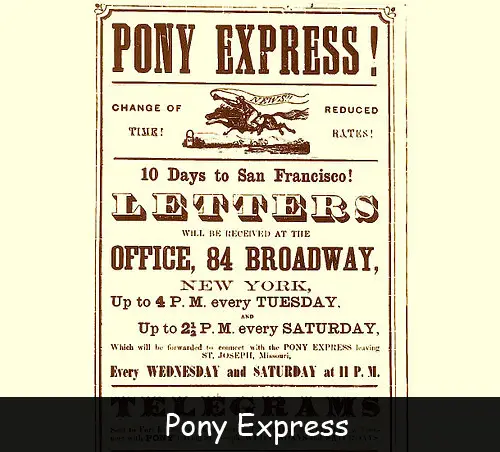
The mid-to-late 1800s marked a time of great growth as settlers, looking for better opportunities, forged west. Forward thinking businessmen and politicians worked to develop a network of railways that would stretch across the United States. Towns sprung up along the railways. Farmers and ranchers could send wheat, potatoes, cattle,…
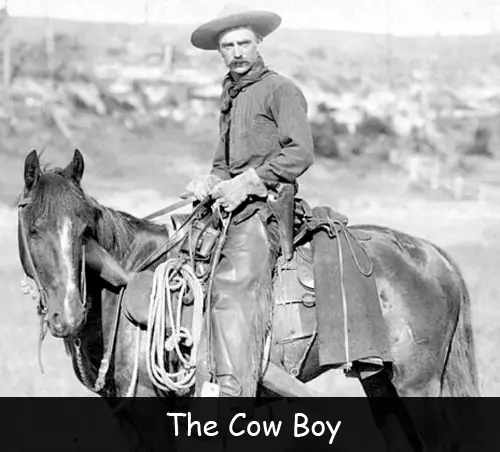
The wide, open west meant acres and acres of land for ranching. Once the railway came, ranchers could make huge profits by shipping their cattle to large cities, such as Chicago. During cattle drives, cowboys drove cattle from Texas to cattle towns, which sprung up near the railways. These cattle…
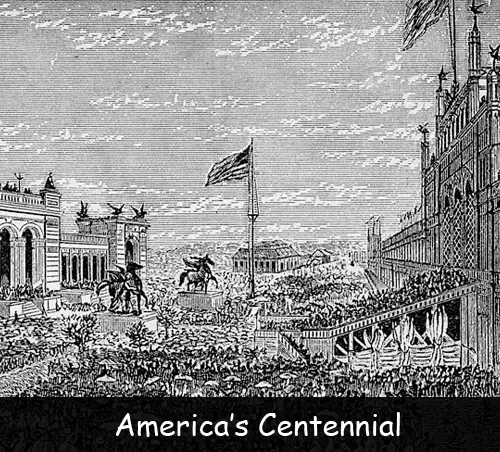
General Lee’s surrender at Appomattox marked the official end of the Civil War, but it didn’t mean an end to the nation’s troubles. Bitter disagreements about how the South should rejoin the nation followed. As America’s Centennial (100 years as a nation) approached, people were glad for a reason to…
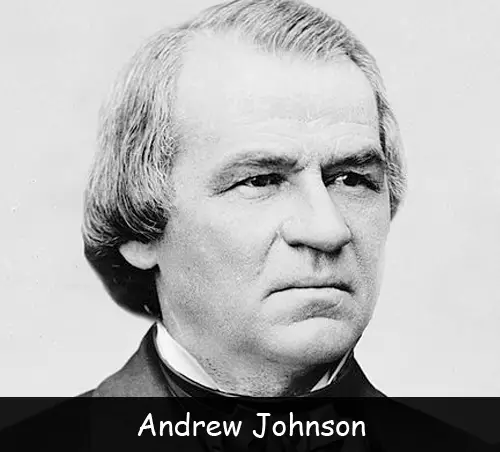
At the end of the Civil War, America was bitterly divided. In his second inaugural address, President Lincoln asked Americans to “bind up the nation’s wounds.” He hoped Americans would forgive each other and work for peace. After Lincoln’s assassination, Vice President Andrew Johnson became President. He also wanted to…
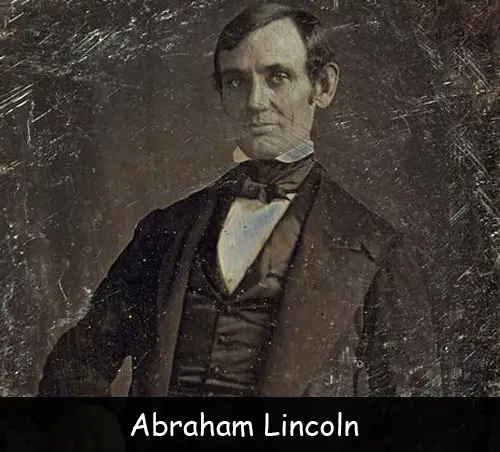
As the Civil War ended, Lincoln pleaded with Americans to be gentle with each other and to work toward peace. This was not to be so. Five days after General Lee surrendered at Appomattox, President Lincoln attended a play at Ford’s Theater in Washington D.C. At 10:15, John Wilkes Booth, an…
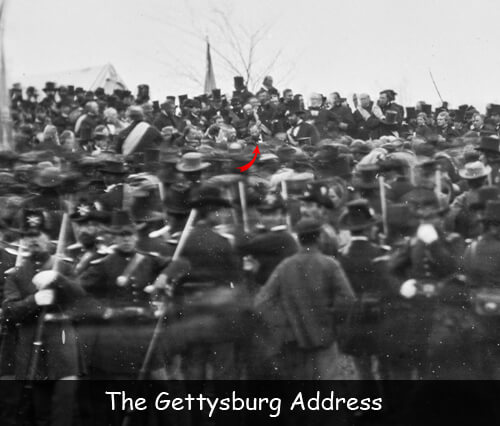
In November of 1863, President Lincoln came to Gettysburg, Pennsylvania to dedicate the Gettysburg War Cemetery, the site of one of the bloodiest battles of the Civil War. As he came to Gettysburg on the train, he wrote a simple speech. This speech was only about four minutes long. Many…
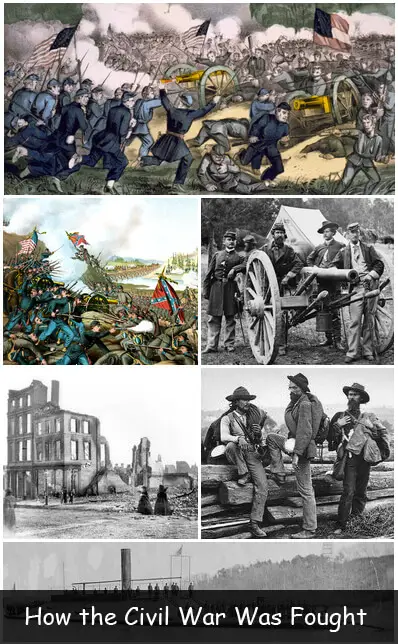
The Civil War killed more men than all other U.S. wars combined – over 600,000 soldiers. New technologies such as the telegram and railway made communication and the delivery of supplies and weapons more efficient. The weapons themselves were more powerful, more accurate, and more lethal. Fun Facts Although the…
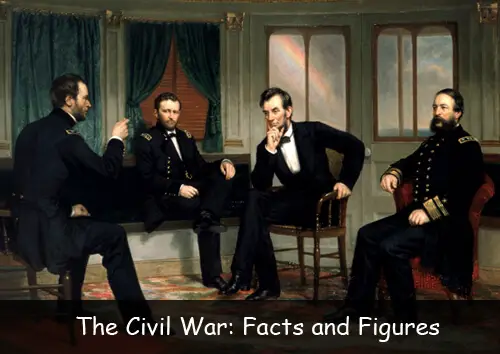
The Civil War lasted four years. At its end, over 600,000 soldiers were dead. Much of the South lay in ruins. Yet, the Union had been saved and the practice of slavery abolished. Fun Facts On July 20, 1861, Union troops moved toward the Confederate capital of Richmond, Virginia, just…
