
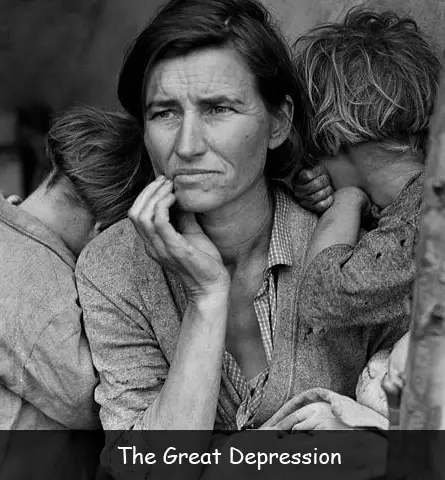
During the 1960s, many families became more prosperous than ever before. They had good jobs and could afford to buy comfortable homes and cars. After the hard times of the Great Depression and World War II, older people appreciated the prosperity they (and their parents) had worked so hard to achieve.
The teenagers and young adults of this time saw things differently. They heard about the poverty and racism some people experienced. They saw their parents’ generation as greedy and materialistic. Many young people rebelled against their parents’ values. This breakdown between parents and children became known as the generation gap.
Fun Facts
- The younger generation referred to the older generation and especially authority figures as “The Establishment.” They believed The Establishment was responsible for the country’s problems.
- As the young people rejected their parents’ values, they adopted a counter-culture lifestyle. Many dropped out of school, marched in antiwar demonstrations, or traveled the country attending music festivals.
- Some moved to counter-culture communities, such as Berkeley, California or Greenwich Village in New York. Drug and alcohol abuse was a common part of the counter-culture lifestyle.
- Artists like Andy Warhol and folk singers, such as Joan Baez, Bob Dylan, and Peter, Paul, and Mary, became popular. These singers often sang about peace and love.
- Before the 1960s, people believed that married couples and families created strong, stable societies. During the 1960s, young people chose not to get married. Instead, they lived together or moved freely from one partner to another.
Vocabulary
- Prosperity: To enjoy comfort and abundance
- Reject: to dismiss or turn away from
- Counter-culture lifestyle: a lifestyle that goes against the prevailing cultural norms
Questions and Answers
Question: Did the 1960s change America?
Answer: The 1960s drastically altered American family life. This generation rejected traditional family relationships, religion, work ethic, and education ideas. Many of the ideas and values that are part of today’s culture began in the 1960s.
Learn More
Learn more about 1960s culture at PBS.
