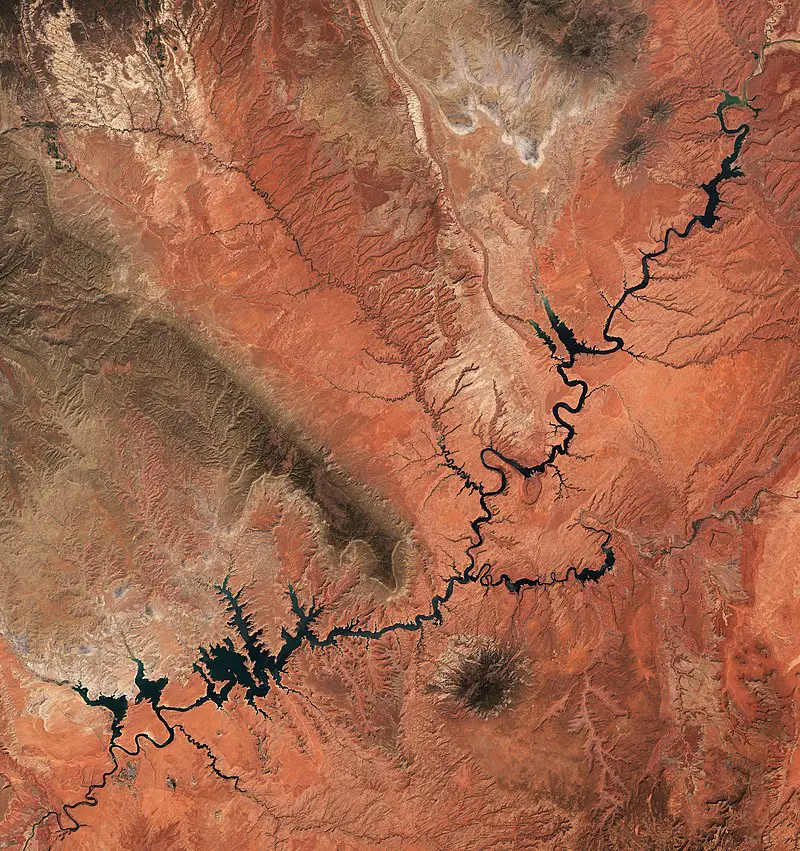
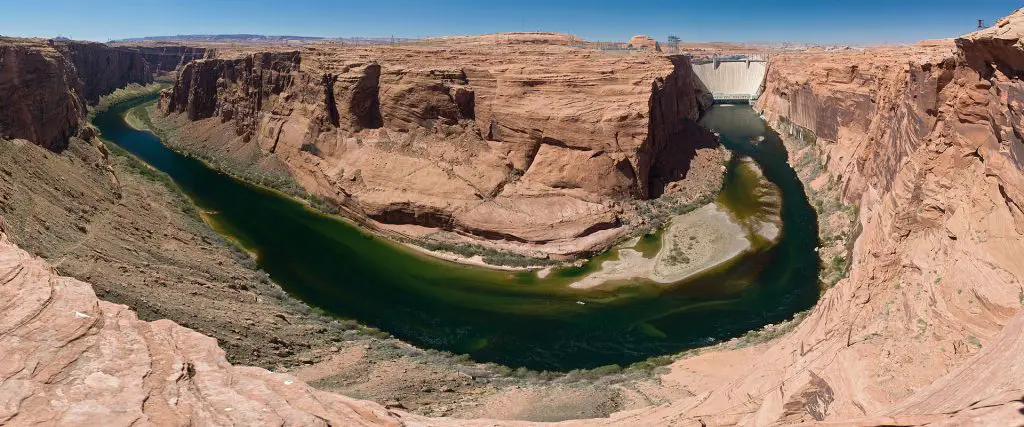
Lake Powell is the second largest man-made lake in the United States and offers a water playground to more than 2 million visitors each year.
Fun Facts
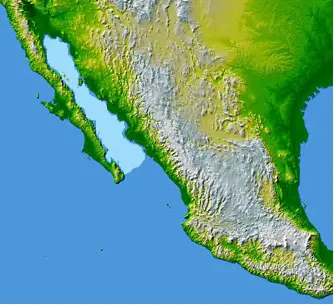
For much of history, the Colorado River rushed unimpeded through Colorado, Utah, Nevada, Arizona, and California on its way to Mexico and the Sea of Cortez.
Melting snow from the Rocky Mountains filled the river. Some years, the river was so full that it flooded; during drought years, it was much drier.
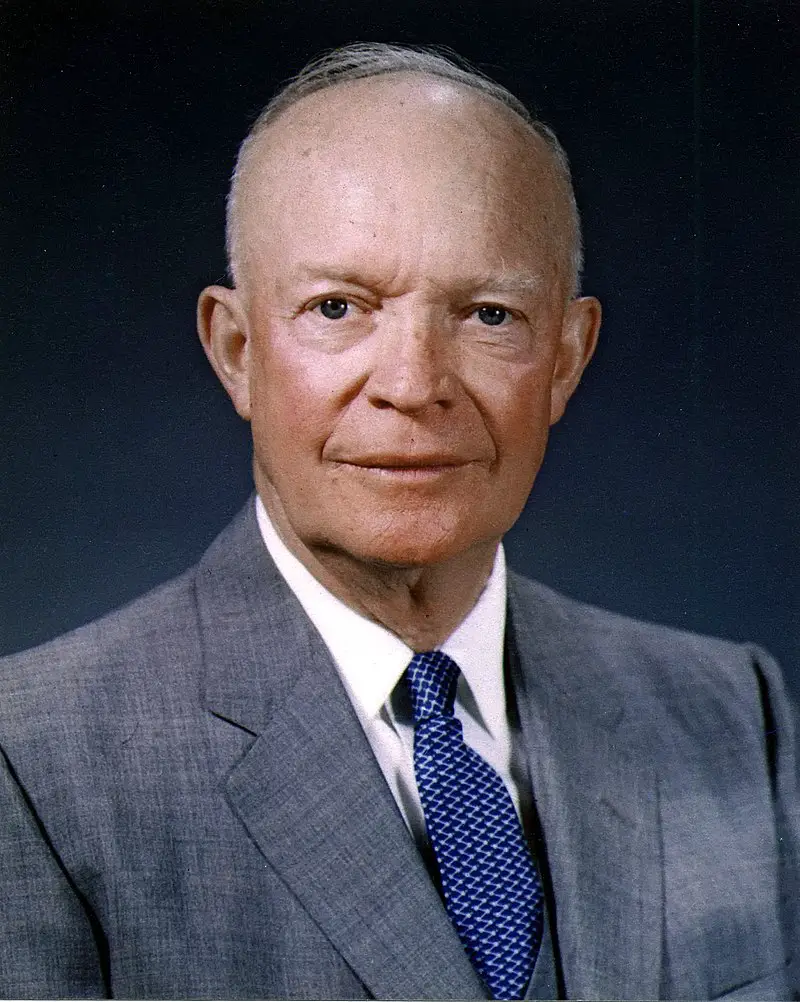
In 1956, under President Dwight W. Eisenhower’s leadership, construction began on a dam that would flood Glen Canyon, creating Lake Powell to contain and control water from the Colorado River. This water would be given, in part, to California, Arizona, and Nevada, three western states known for their dry conditions. In a compact with other western states, these three states receive 7,500,000 acre feet of water annually.
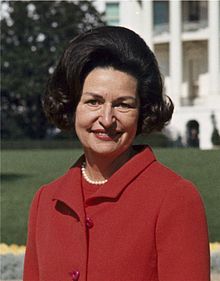
The project was completed in 1963 at a cost of $155 million. Lady Bird Johnson dedicated the dam in 1966.
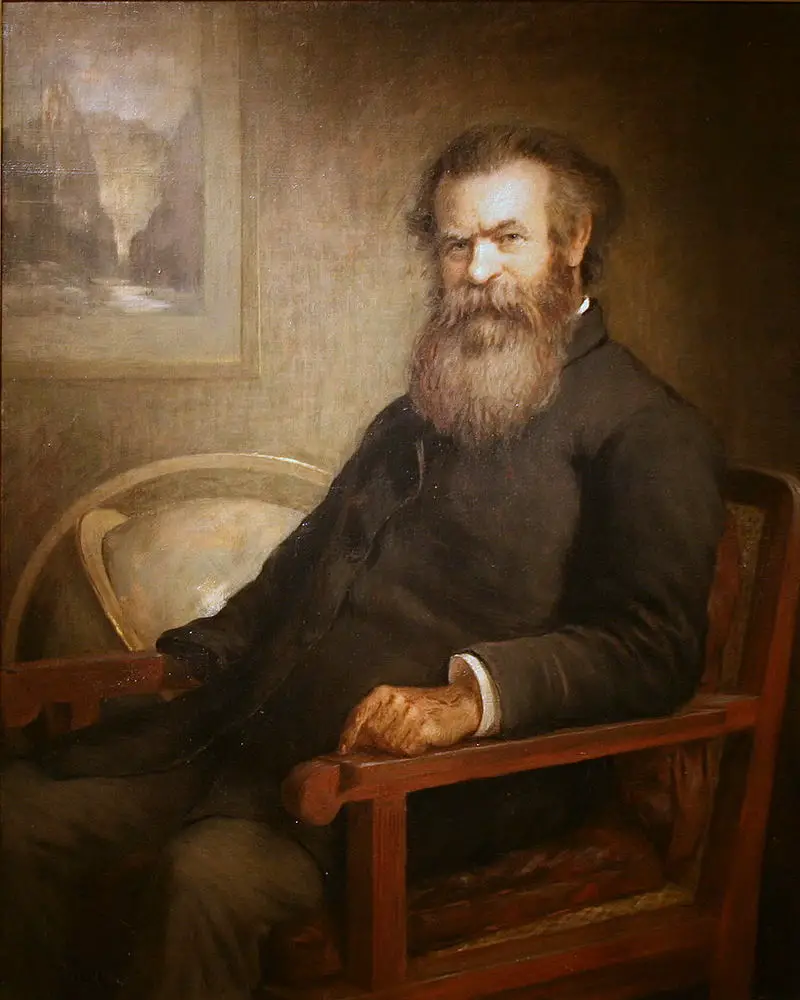
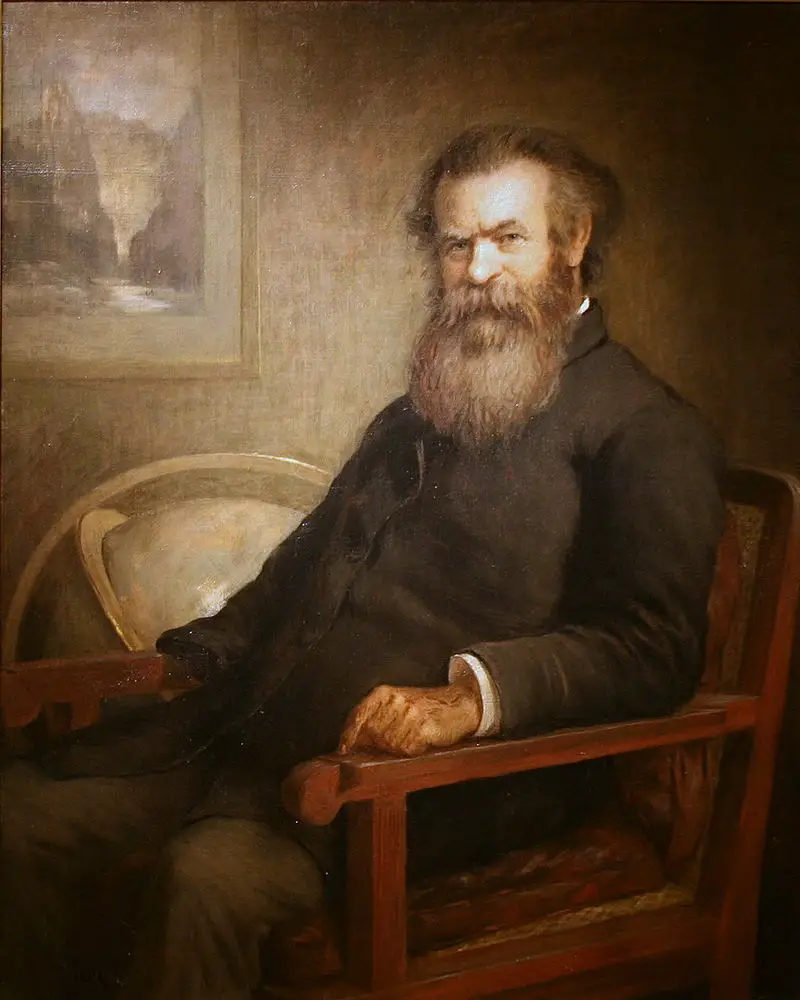
Lake Powell was named for John Wesley Powell, a one-armed Civil War veteran who toured the area on three wooden boats in 1869.
The dam was originally planned for Echo Park, which is now Dinosaur National Monument. Strong opposition from David Brower and the Sierra club led Floyd Dominy, the project manager to move the location to Glen Canyon, which sits on the Arizona-Utah border.
Brower, who had never visited Glen Canyon, was dismayed when he took a trip to Glen Canyon and saw its natural beauty and Native American archaeological areas. In addition to Glen Canyon, over 80 smaller canyons were flooded by the dam, destroying the river ecosystem.
Vocabulary
Unimpeded: without any obstacles
Opposition: disagreement
Questions and Answers
Question: What do visitors do at Lake Powell?
Answer: Lake Powell is a popular destination for fishing, waterskiing, and boating. People often stay on houseboats and explore the canyon walls. Some people camp on the beaches or stay in hotels. Summers at Lake Powell are very warm, with temperatures often above 100 degrees.
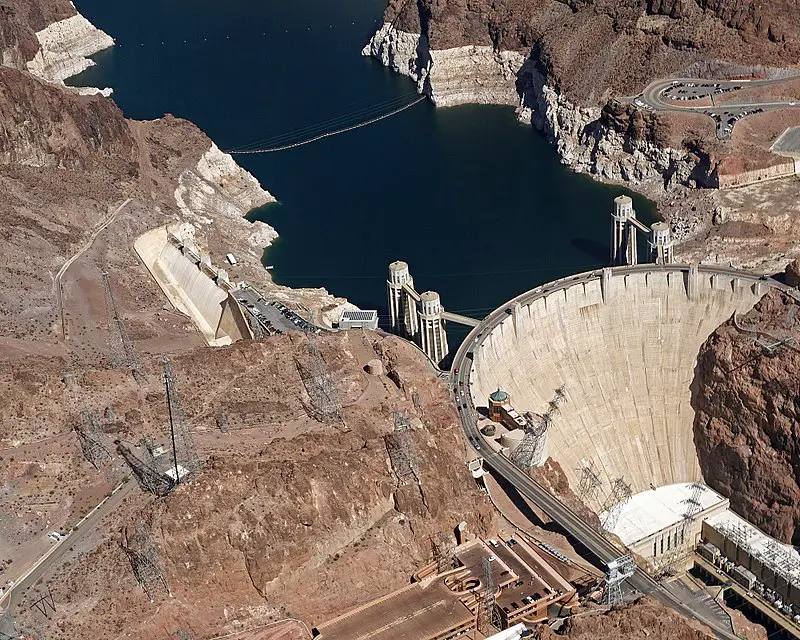
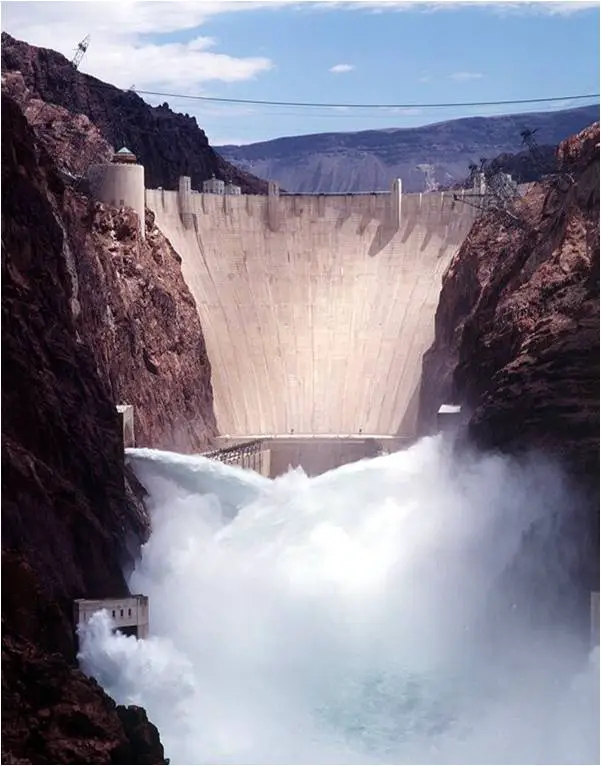
The Hoover Dam was completed in 1936. It had three purposes: to prevent flooding, to provide irrigation and drinking water, and to produce hydroelectric power.
Fun Facts
For years, settlers in the Southwest had tried to harness the Colorado River’s power. The Alamo Canal, built in 1890, was one such effort that ultimately failed.
Construction began on the Hoover Dam during the Great Depression, in 1931. Thousands of men, anxious for work, poured into Las Vegas. More than 21,000 men were eventually hired.
As part of the work contract, Boulder City was built nearby to house the workers.
However, before the city was built, men and their families lived in squatters’ camps like McKeeversville and Williamsville, which was more commonly known as Ragtown.
The dam was a massive project that required workers to blast rock from the , divert water through pipes, and lay down thousands of pounds of concrete.
Workers dangled 800 feet high in the air as they worked on removing rock from the canyon. Other workers suffered in tunnels that were 140 degrees and choked with gasoline fumes.
112 men lost their lives during the building of the Hoover Dam. Most of these were the result of drowning or falling. An additional 42 workers died of “pneumonia,” which was probably actually carbon monoxide poisoning from vehicles in tunnels. By classifying the deaths as pneumonia, the company didn’t have to pay any damages to the men’s families.
Conditions were difficult and the men complained. These men were fired and replaced by others.
Because jobs were so scarce during the Great Depression, the men were willing to work in difficult and hazardous conditions. Interestingly, though, no Chinese workers could be hired according to the contract. Only 30 African Americans worked on the job site. These were segregated and had to drink out of a separate drinking pail.
It has 45 million pounds of reinforced steel and is 660 feet thick at the base. From the river to the top of the dam is 726 feet—as tall as a 60-story building. The width of the dam is as much as two football fields.
Water from the Hoover Dam can irrigate 2 million acres and opened up development for Las Vegas, Phoenix, and Las Angeles. Previously, water shortages would have limited these cities’ growth. The dam’s power plant produces enough electricity for 1.3 million people.
Vocabulary
Hydroelectric: electricity produced by water power
Pneumonia: a disease of the lungs
Questions and Answers
Question: Were there any downsides to building the dam?
Answer: Many people opposed the building of the Hoover Dam. It destroyed river ecosystems for miles and miles, as well as areas sacred to native people. Additionally, conservationists question whether building huge cities in a desert is a good idea or a necessary thing. They believe the cities’ rapid growth is unsustainable and eventually water will run out.
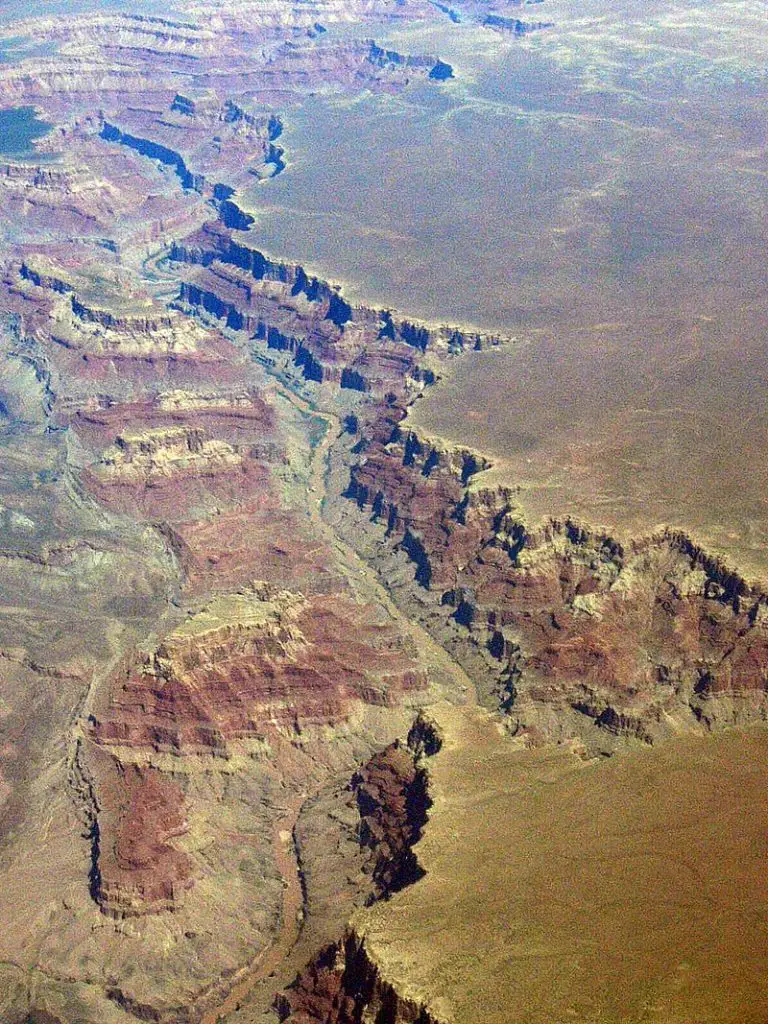
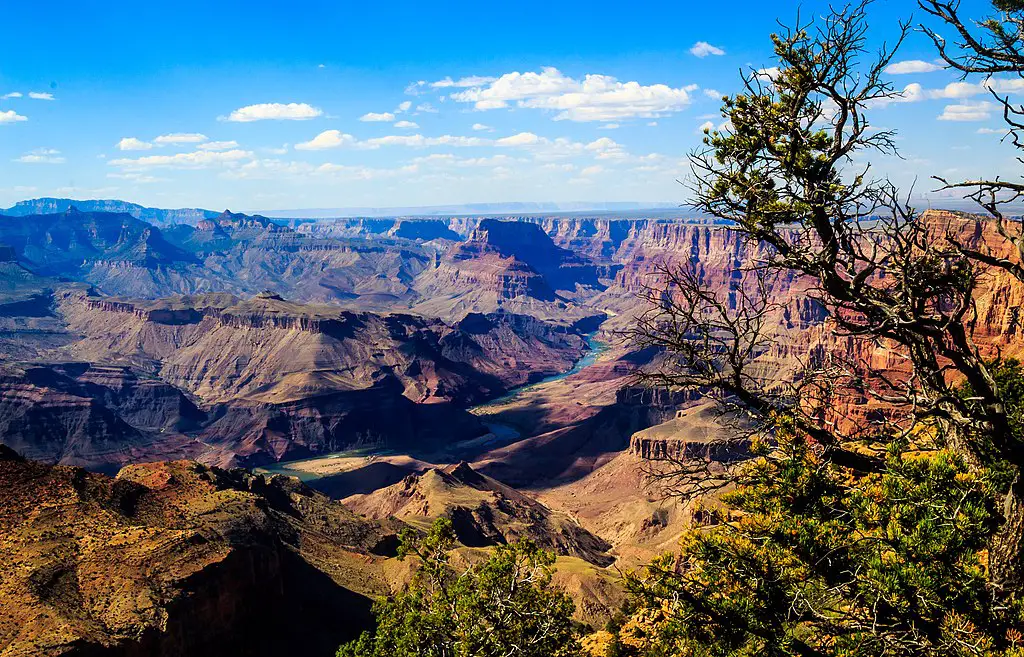
The Grand Canyon in Arizona is not the largest or deepest canyon in the world, but it is an awesome spectacle with its colorful, rugged rock walls. Native people have lived here for at least 3,000 years.
Fun Facts
Geologists believe the Grand Canyon was formed 5 to 6 million years ago as the Colorado River washed away millions of years of sediment, leaving a record of the geologic history of North America in the exposed rock.
The Grand Canyon is 277 miles long, 18 miles wide (in some places) and over a mile deep. It takes in the Grand Canyon National Park, Kaibab National Forest, Hualapai Reservation, and the Navajo Nation.
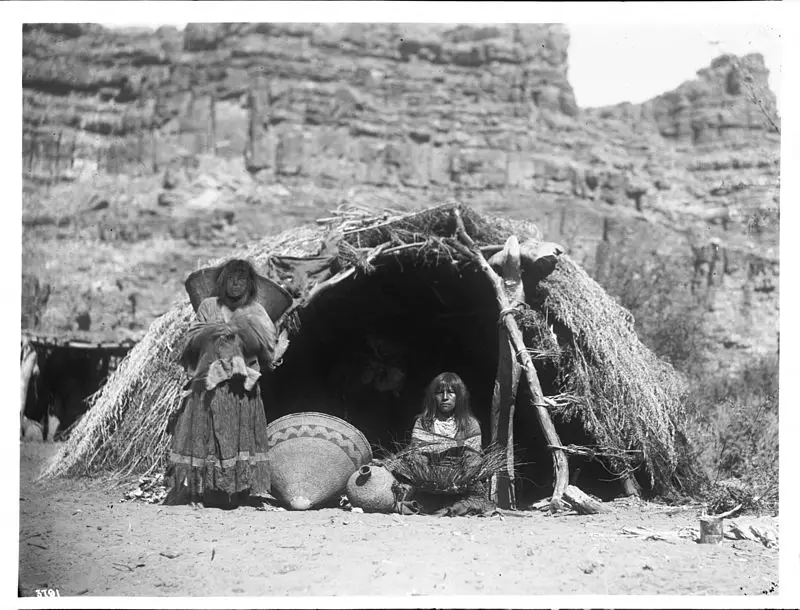
The Pueblo people have long considered the Grand Canyon a holy site and lived here at least 1200 B.C. The Cohohinas lived here between 500 and 1200 A.D., and are the ancestors of the Yuman, Havasupai, and Hualapai people.
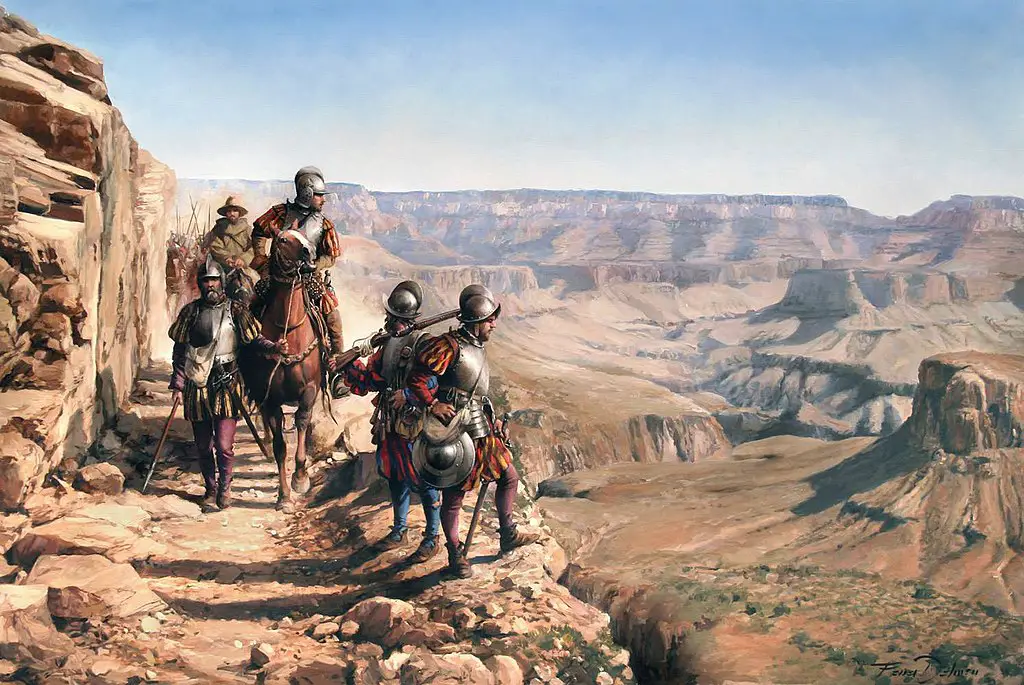
Captain Garcia Lopez de Cardenas is believed to be the first European to see the Grand Canyon. He arrived in 1540 from Spain and was searching for the Seven Cities of Cibola.
In 1776, two Spanish priests returned. One was looking for a river crossing and found it. The other unsuccessfully tried to convert Havasupai people to his religious faith.
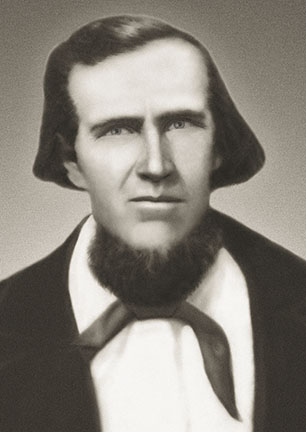
Mormon frontiersman Jacob Hamblin came in the 1850s, also looking for river crossings. He developed good relationships with the local people and found two locations that later became ferry crossings.
In 1869, Major John Wesley Powell led an expedition down the Colorado River. The group experienced the hardships of spoiled food, bad weather, and dangerous rapids. Three men left the group, planning to walk some 75 miles across the desert to a Mormon settlement. They were never heard from again.
In 1919, the area became a national park.
Vocabulary
Ferry: boat
Convert: encourage someone to embrace your beliefs
Questions and Answers
Question: Can people visit the Grand Canyon today?
Answer: Yes. Thousands of people visit every year. Spring and fall are generally the best times to visit.
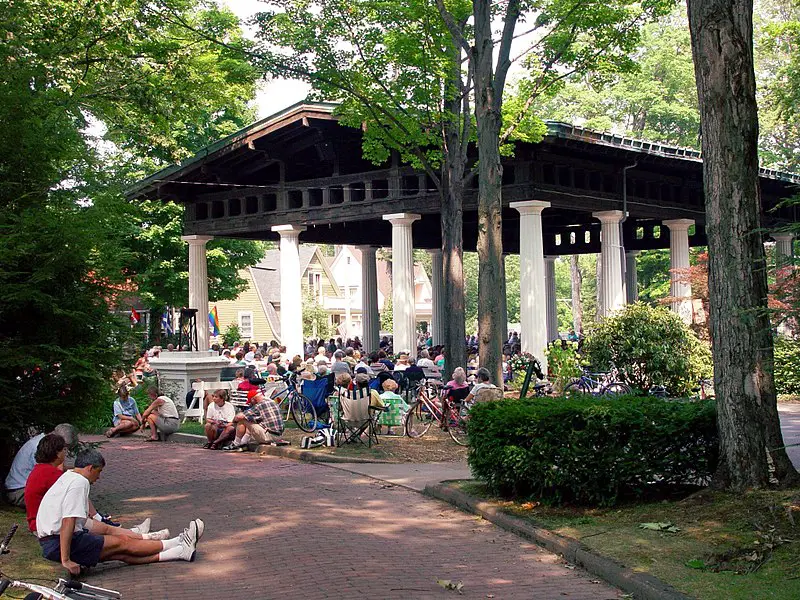
In the late 1800s to early 1900s, there was a great interest in America in learning and improvement, particularly in the areas of music, literature, philosophy, art, religion, and theater. The Chautauqua Institution supported that trend and became a national movement.
Fun Facts
The Chautauqua Institution opened in 1874 at Chautauqua in southwestern New York. It sits on 2,700 acres next to Chautauqua Lake.
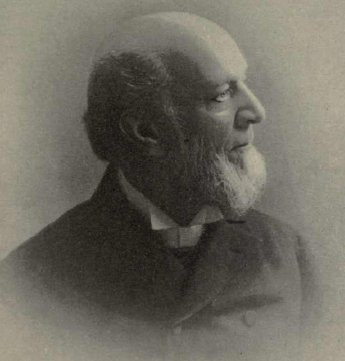
It was started by inventor Lewis Miller and Methodist Bishop John Heyl Vincent. Their goal was to provide a teaching camp for Sunday School teachers.
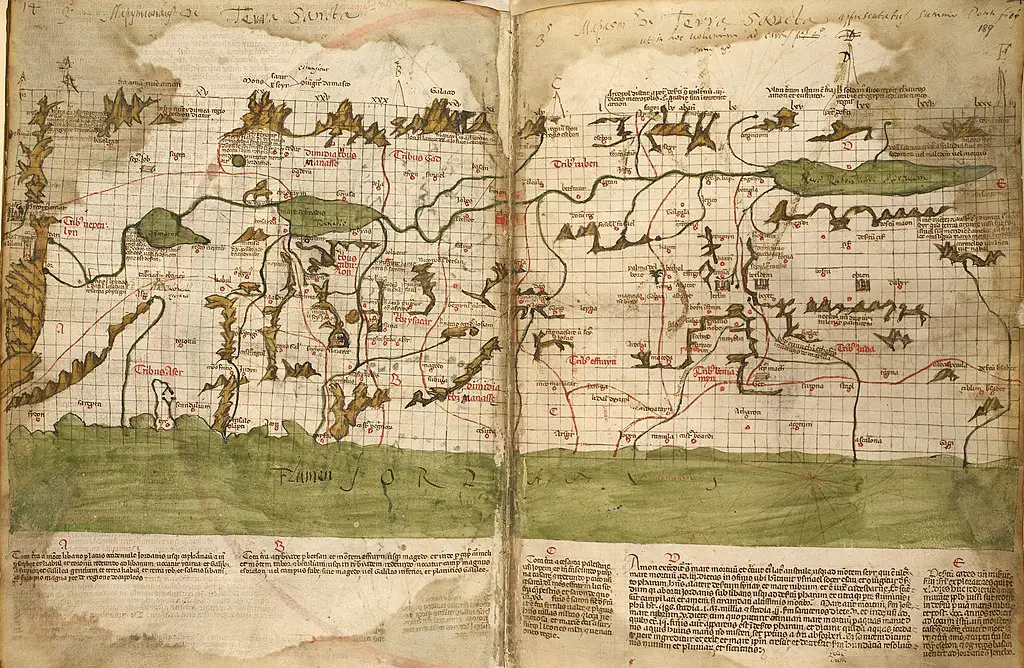
The first classes were primarily about Bible studies and the geography of the Holy Land as it was during Christ’s life.
Each year, the organization added new classes. Soon programs included philosophy, music, literature, and theater. People could attend ballets, symphonies, theater, and concerts, as well as daily lectures on religion, literature, philosophy, and politics.
The first attendees stayed in tents. Later cottages were built and then hotels and inns.
In time, the Chautauqua ideals spread to other communities to become a movement serving more than 10,000 communities and 450,000 people.
After World War II, the movement lost traction and most locations closed.
The Chautauqua Institution still offers a 9-week summer program for children and adults. In addition to activities related to literature and arts, attendants can play golf and tennis, stroll on the beach, or go sailing on the lake.
The Chautauqua Prize is given annually to a writer producing an exceptional literary work. The prize is $7,500 and a week’s stay at the retreat.
The Chautauqua Literary and Scientific Circle is a book club that was started in 1878 by Vincent and continues today.
Vocabulary
Traction: movement, force
Literary: about literature or books
Questions and Answers
Question: Are there still locations elsewhere in the country?
Answer: At least 18 Chautauqua locations still exist from Maine to Tennessee to Illinois to Colorado.
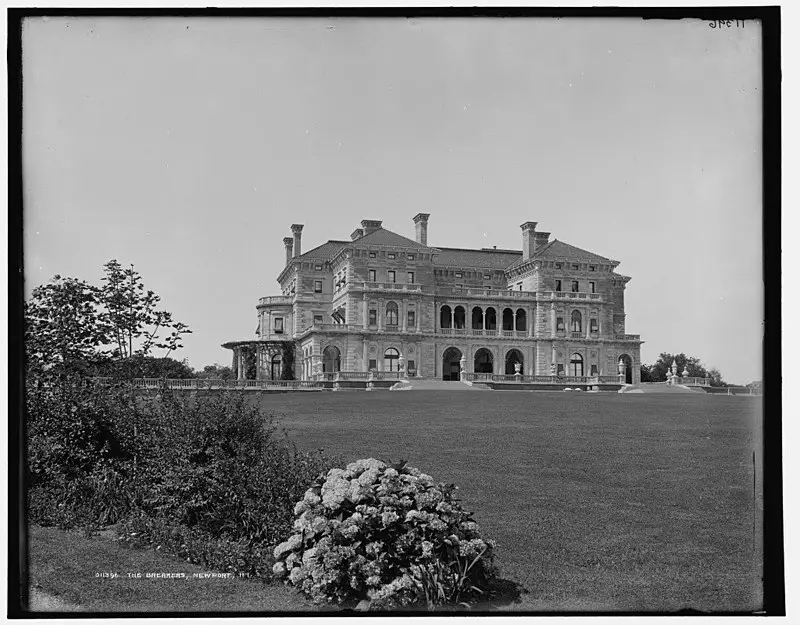
The English are known for their opulent country manors, but many wealthy Americans built mansions in the United States. The Breakers, summer home to the Vanderbilts, is one of the largest and most well-known.
Fun Facts
Cornelius Vanderbilt II purchased a property in Newport, Rhode Island in 1885 for $450,000. The home would serve as a summer “cottage” for the Vanderbilt family.
In 1893, the house burnt down. Vanderbilt hired Richard Morris Hunt to create a 125,339 square foot Italian villa in its place. The new home was built between 1893 and 1895.
The Breakers, as the home is called, takes up an entire acre of the property’s 14 acre estate. It has five floors plus a very large stable and carriage house.
On the first floor of the home are the Great Hall, receiving rooms for both women and men, a library, music room, morning room, kitchen, dining room, pantry, and other rooms.
The dining room is 2,400 square feet—the size of many entire homes. The table seats 34 people. The cast iron stove in the kitchen is 21 feet long.
Above each door in the Great Hall leading to other parts of the house are limestone figures of people (real and fictional) who have contributed to the world. Dante symbolizes literature, Galileo is for science, and Apollo represents the arts.
On the second floor are the family’s bedrooms. Alice, Cornelius’s wife, had four closets and changed her clothes seven times each day.
On the third floor, are 30 bedrooms for staff. The attic has additional rooms for staff and storage.
Cornelius died in 1899 of a stroke. He left the house to his wife, who left it to their youngest daughter, Gladys.
Her daughter, Countess Sylvia Szapary, sold it to the Preservation Society of Newport in 1972 for $365,000. The society agreed that the countess could live there for the rest of her life. Today, the home is open to the public, except for the third floor, which the family still lives in.
Vocabulary
Carriage House: a building that holds carriages
Staff: employees
Questions and Answers
Question: Where did the Vanderbilt family get their wealth?
Answer: Cornelius’s grandfather (1794-1877) began the family’s fortune with steamships and later the New York Central Railroad, which was very important in the country’s industrial development.
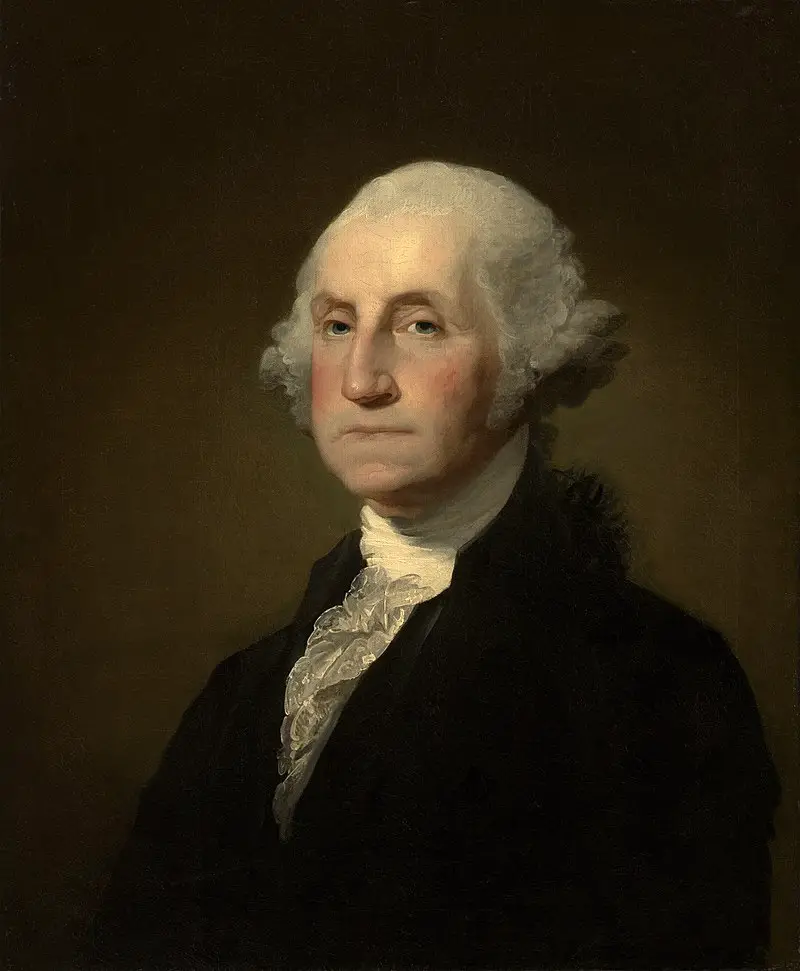
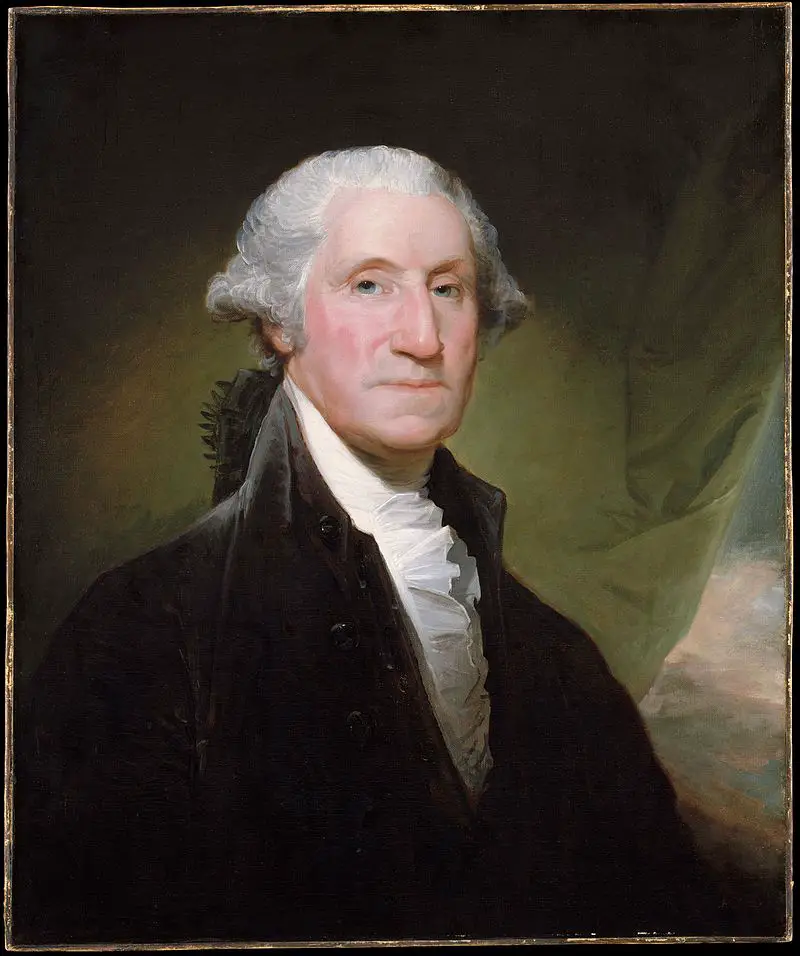
No parties existed when George Washington was made president in 1789, or when he ran again in 1792. Both times he ran, he won every vote in the Electoral College. But George Washington was an unusual person. He was beloved by everyone.
Fun Facts
Washington was concerned that political parties would weaken the country.
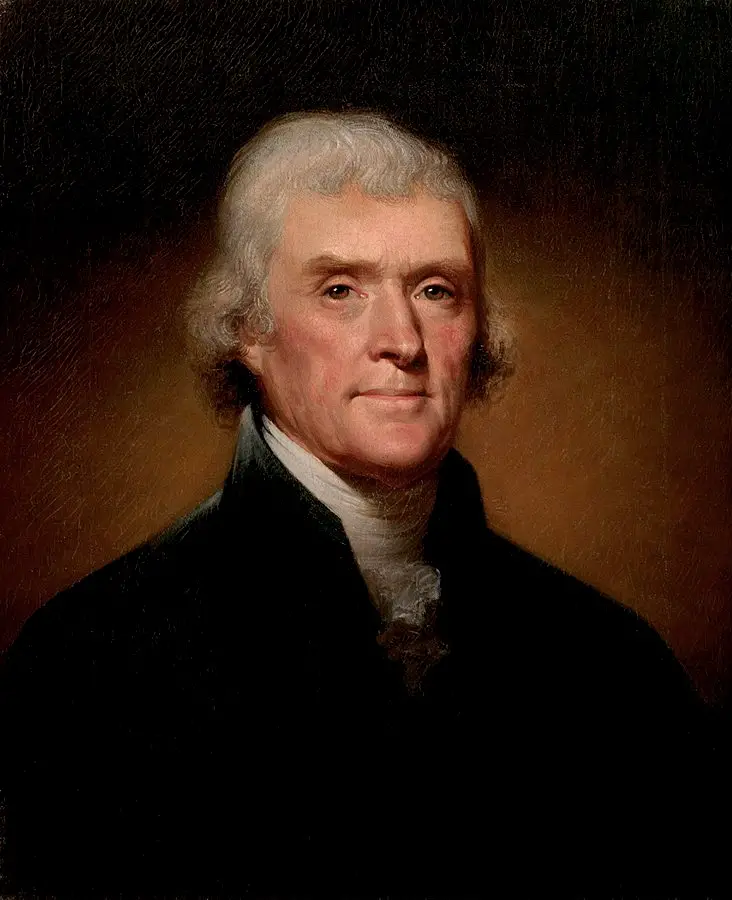
But from the beginning, leaders disagreed. Thomas Jefferson, the Secretary of State, was a farmer and a plantation owner. He didn’t want government telling him what to do. He thought that keeping the federal government small was very important to individual liberty.
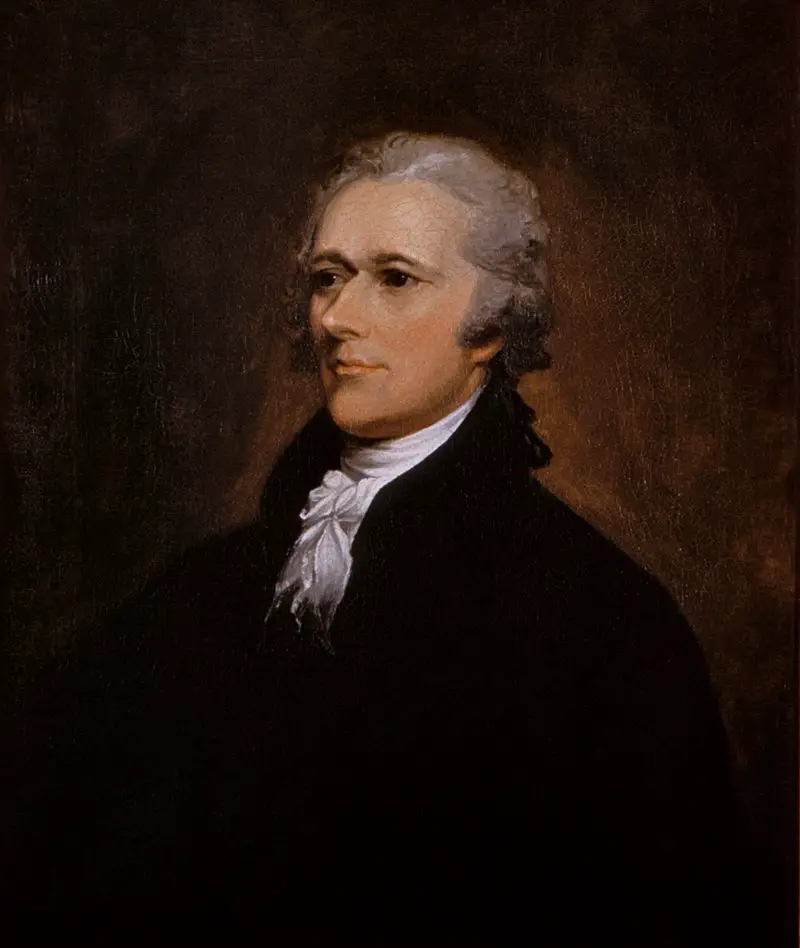
Alexander Hamilton, Secretary of the Treasury, was from New York City and was a banker and a lawyer. He thought the federal government should be strong. He started the U.S. mint, a federal bank, and taxes. His policies helped northern merchants, manufacturers, and businessmen. He got his friends involved and they formed the Federalist Party.
James Madison and Thomas Jefferson formed the Democratic Republican party. Their party favored small government and was strongest in the south.
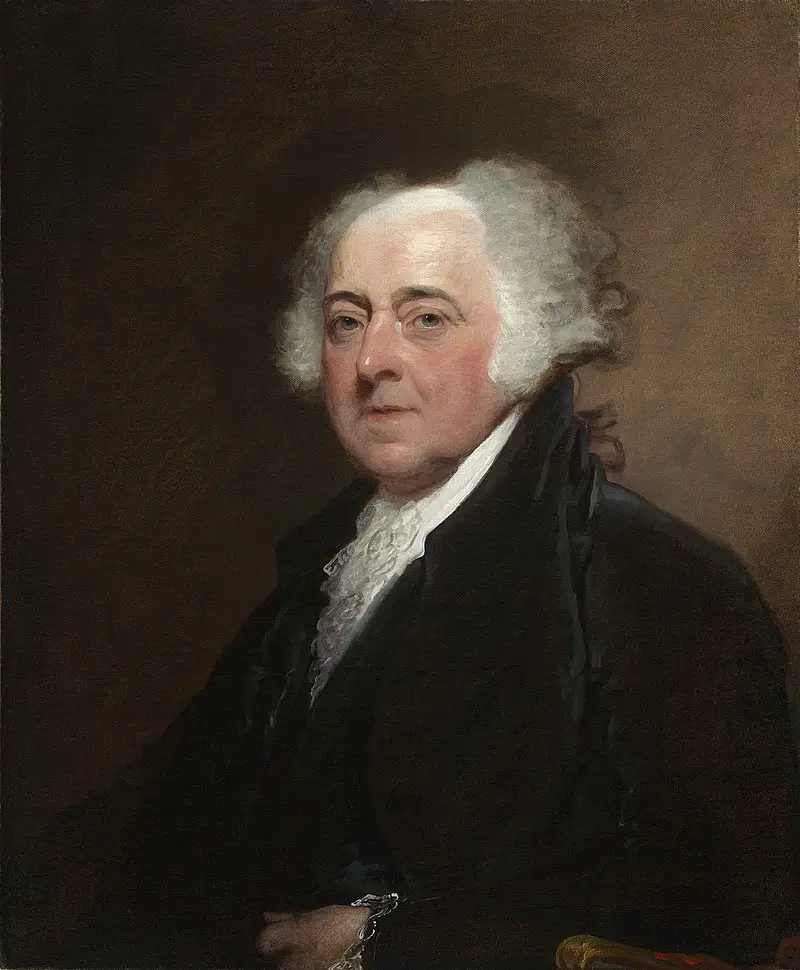
In 1796, the two parties ran against each other in the presidential election. Jefferson lost to John Adams, but won in the next election in 1800. Political power went back and forth between the two parties.
When Hamilton died in 1804, the Federalist Party faded away.
In 1824, the Democratic Republican party broke into two groups because members disagreed. These two groups became the Democratic and Republican parties.
Since almost the beginning, two parties have dominated elections, although there have been other smaller parties.
Vocabulary
Electoral College:
Mint: where money is made
Merchant: someone who trades and sells goods
Questions and Answers
Question:Do voters have to choose one party or the other?
Answer:Many voters do choose a party and stick to it, but voters don’t have to always vote for one party or the other. Some voters register as independent, which means they don’t belong to either the Democrat or Republican Party.
Learn More
Watch a video about the history of political parties.
Political Parties
Political parties have been around almost since the United States began. There are several political parties, although two parties dominate elections.
Fun Facts
The Democratic and Republican Parties are the two major parties in the United States.
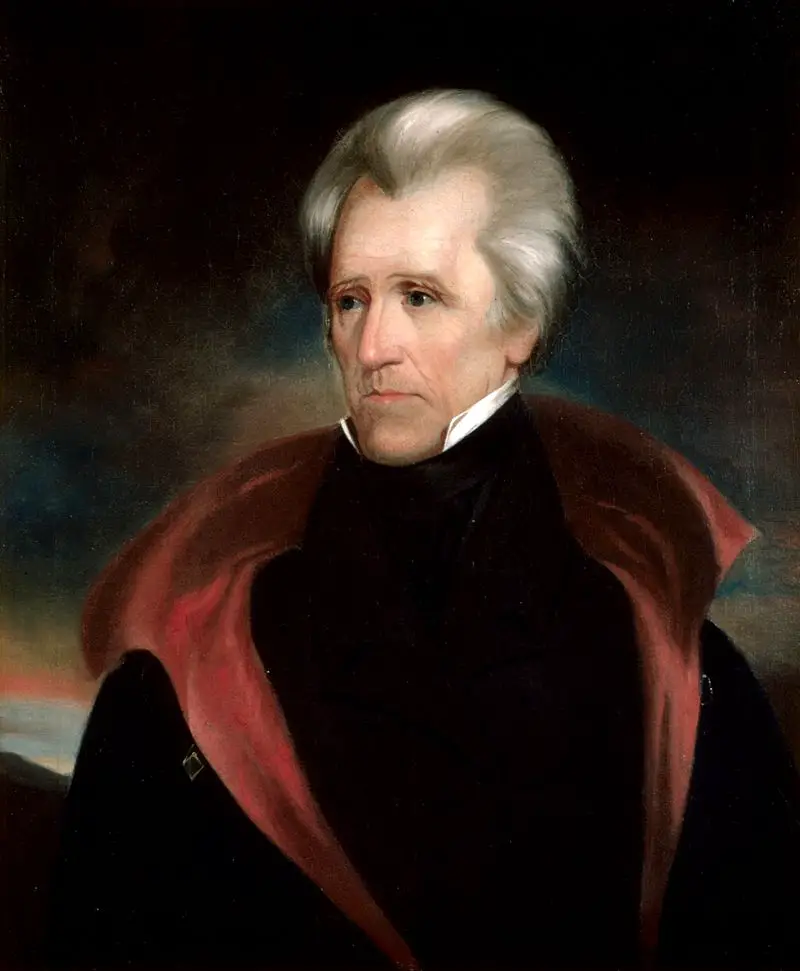
Thomas Jefferson founded the Democratic Republicans in 1792, opposing a powerful central government. That party later broke into two parties, the Democratic and Republican parties. Originally, the Democratic Party supported limited federal government. Andrew Jackson was the first Democratic president.
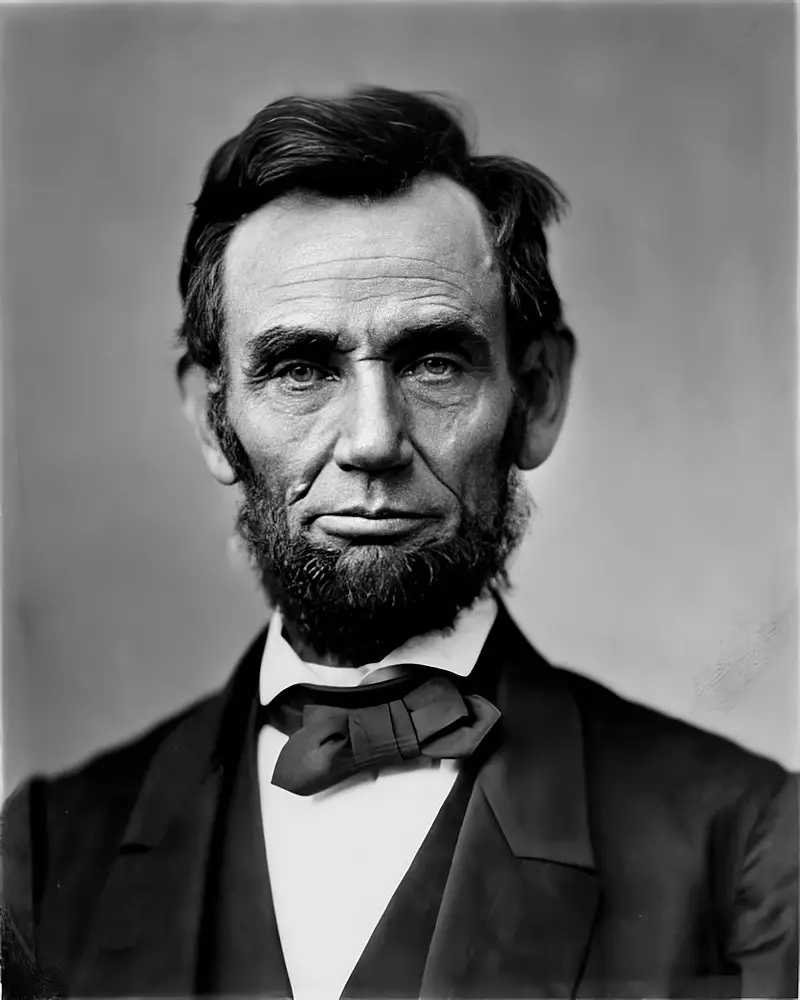
The Republican Party, also known as the Grand Old Party, developed in the 1850s. The Republican Party opposed slavery and especially did not want slavery to expand to new states. Abraham Lincoln was a Republican.
As time went on, the two parties’ ideas and ideals changed.
For the last 100 years, the Democrats have been more liberal. Most democrats believe the federal government has a responsibility to help people. They support using taxes for things like Social Security, schools, and healthcare. Most believe in taxing corporations and the wealthy as a way to benefit everyone.
The Republican Party is more conservative. Republicans believe in lower taxes for everyone. Republicans believe government should stay small so individuals can grow and become successful through hard work. Republicans do favor paying taxes for a strong military.
Vocabulary
Liberal: in politics, liberal means supporting taxation for social programs
Conservative: in politics, conservative means supporting limited government and low taxes
Questions and Answers
Question: Do voters always agree with their chosen party?
Answer: No. People often believe in some of their party’s core values, but not all of them. Voters may like certain parts of both parties. Up to 40 percent of Americans don’t belong to either the Democratic or Republican parties.
Instead, they belong to smaller parties or don’t belong to any parties at all (Independent). Independent voters can vote in general elections, but not in primary elections.
After the Revolutionary War, leaders had to decide how the country would run. The thirteen states (previously colonies) joined as one country. Each state was a little different, but to be a united country, they needed to agree to the same laws.
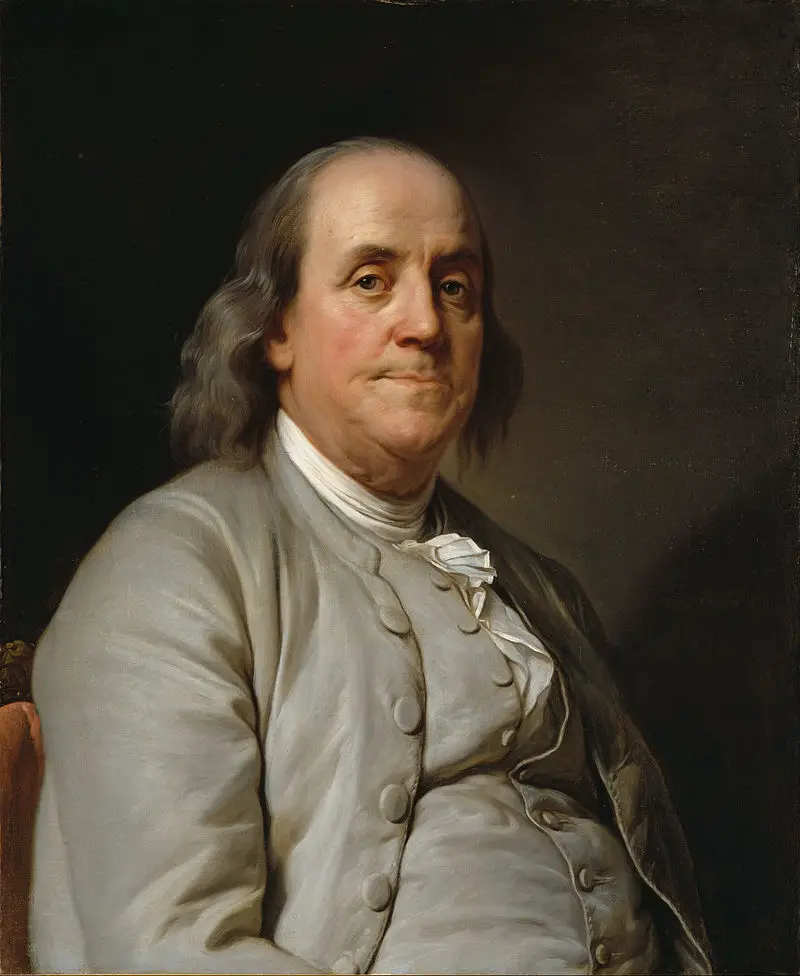
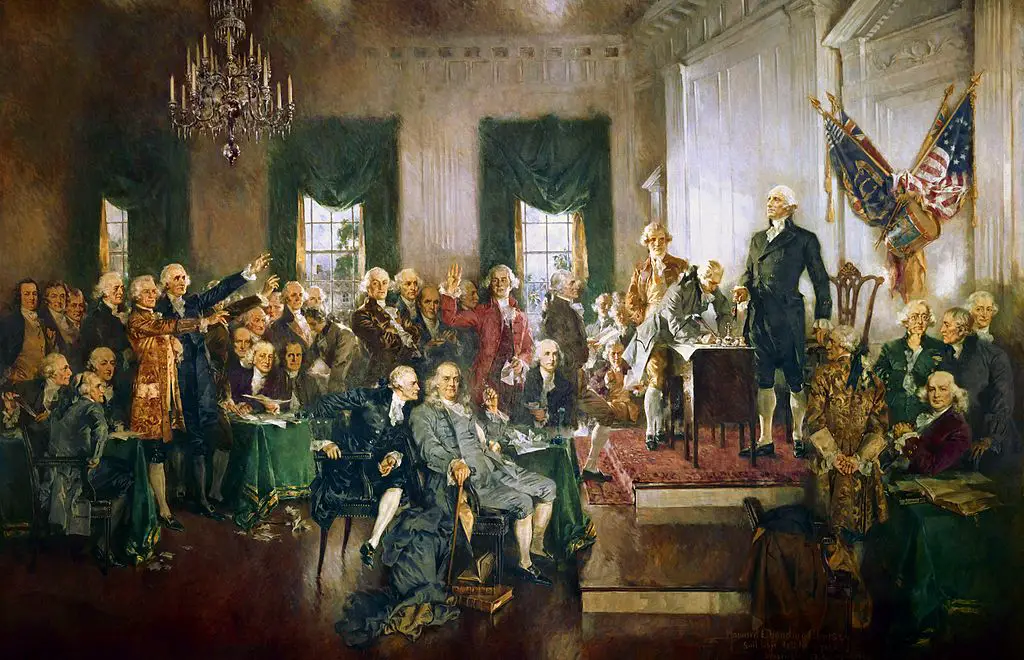
George Washington, Benjamin Franklin, Alexander Hamilton, and others spent months in Philadelphia writing a plan, which they wrote down as the Constitution.
Fun Facts
The Constitution begins with the phrase, “We, the people of the United States,” to remind us that our country’s laws are based on what we, the people, think is best.
The Constitution was written to allow enough power for the national government to make decisions, but not so much that it could take away the fundamental liberties of the people.
To do this, the Constitution lays out three branches of government: the executive branch (the president and his or her officials); the legislative branch (Congress); and the judicial branch (judges and courts).
Each branch has certain rules and limits (checks and balances) that help ensure that no branch becomes too powerful.
The goal of the Constitution’s framers was to write a document that would “form a more perfect Union (unite the states), establish Justice, ensure domestic Tranquility, provide for the common defense, promote the general Welfare, and secure the Blessings of liberty to ourselves and our Posterity.”
The early leaders knew that times would change and that they couldn’t write a document that would consider every possible future need. So, they wrote in the Constitution that updates and changes could be added in the future if enough people wanted them. These changes are called amendments.
Thirty nine of the 55 delegates signed the Constitution on September 17, 1787. Several of the delegates refused to sign it because it didn’t include a Bill of Rights describing specifically the fundamental rights of U.S. citizens. At least one refused to sign it because it allowed the practice of slavery.
Vocabulary
Fundamental: at the core
Liberty: freedom
Posterity: children, grandchildren, etc.
Questions and Answers
Question: Is the Constitution still important today?
Answer: The Constitution is the foundation of our democratic government. Leaders must consider it before making any decisions or laws.
Conflict didn’t end when the Americans defeated the British. The American leaders and people had a lot of work to do to figure out what kind of government they would have.
Fun Facts
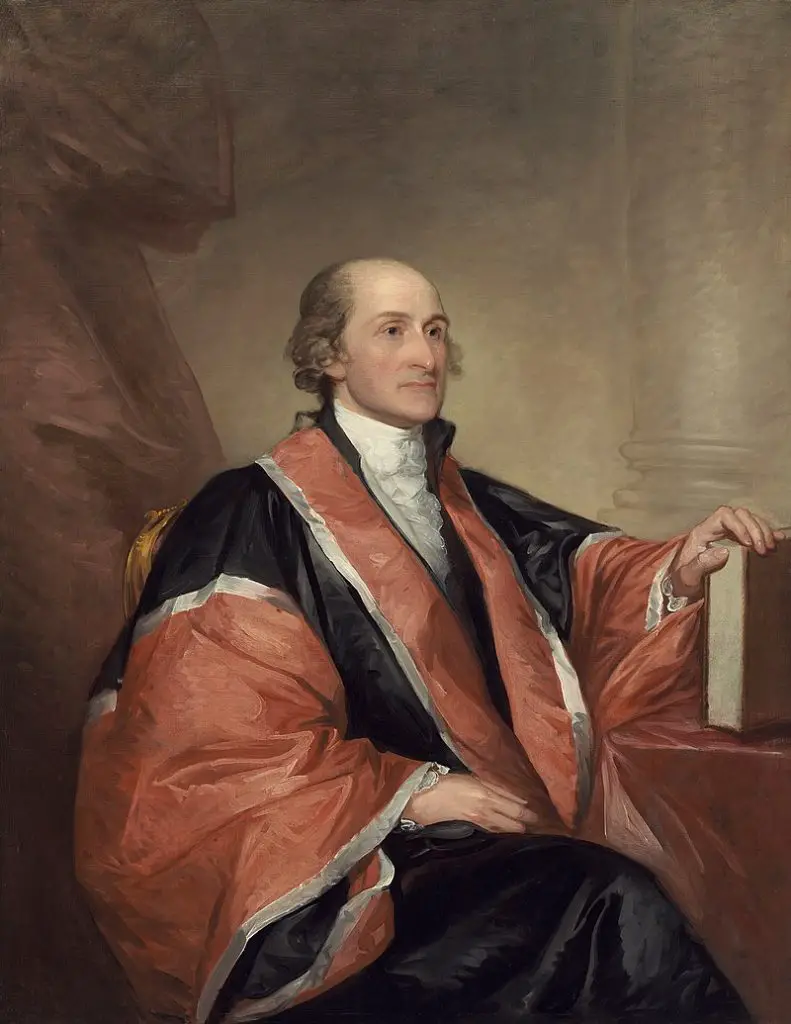
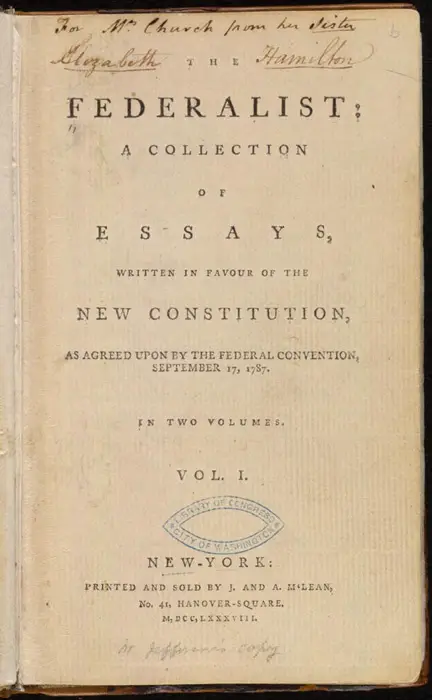
Alexander Hamilton, James Madison, and John Jay published 85 essays between 1787 and 1788.
The essays described and explained various parts of the Constitution.
These essays were published in newspapers in New York. Their purpose was to convince New Yorkers to ratify the Constitution.
The Federalist Papers are still used today to help us understand the Founding Fathers’ original intent.
Both James Madison and Alexander Hamilton were part of the Constitutional Convention so we can feel fairly confident that they knew what they were talking about.
Vocabulary
Essay: a written composition
Ratify: approve
Constitutional Convention: the meeting in which the Constitution was discussed and written.
Questions and Answers:
Question: Did everyone like the Constitution?
Answer: Actually no. Just like today, people were divided about what should happen in the country. Some people wanted a small federal government and strong state governments. Others wanted a strong federal government.
The leaders talked for a long time, each offering points and arguments. As they talked through potential problems, they came to solutions and compromises. This process of thoughtful public discourse is sometimes known as rhetoric.
Learn More
Watch a video about the Constitution and Federalism.
The Articles of Confederation
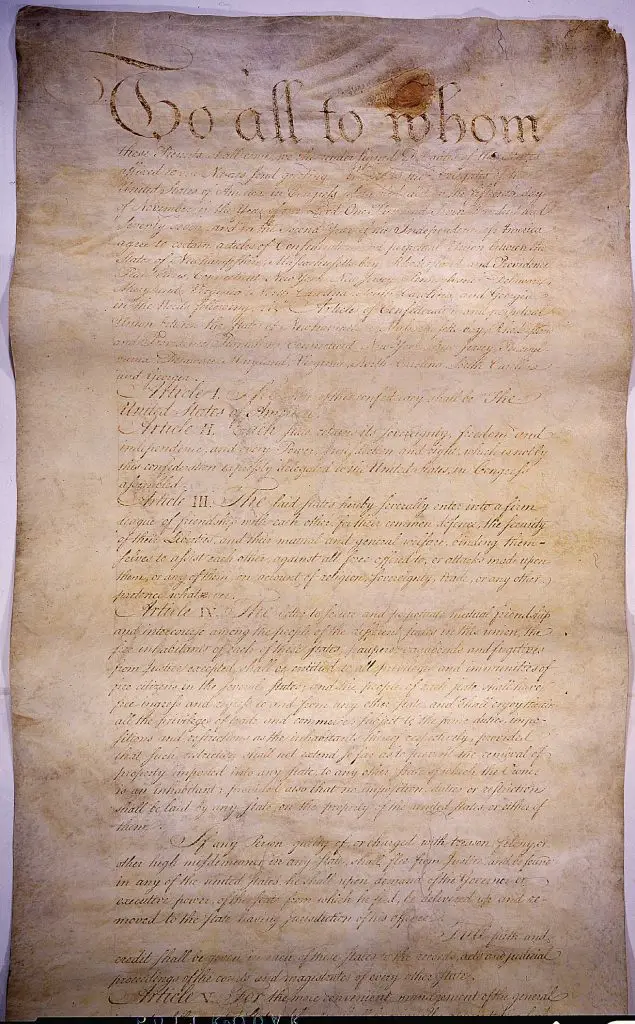
The Articles of Confederation was the first American government, developed during the Revolutionary War.
Fun Facts
The Articles of Confederation were first written in 1777 in the middle of the Revolutionary War.
The leaders did not want to create a government like Britain’s, which was a monarchy, so they developed the Articles of Confederation as the first American government. It had some good things and some bad things—more bad than good.
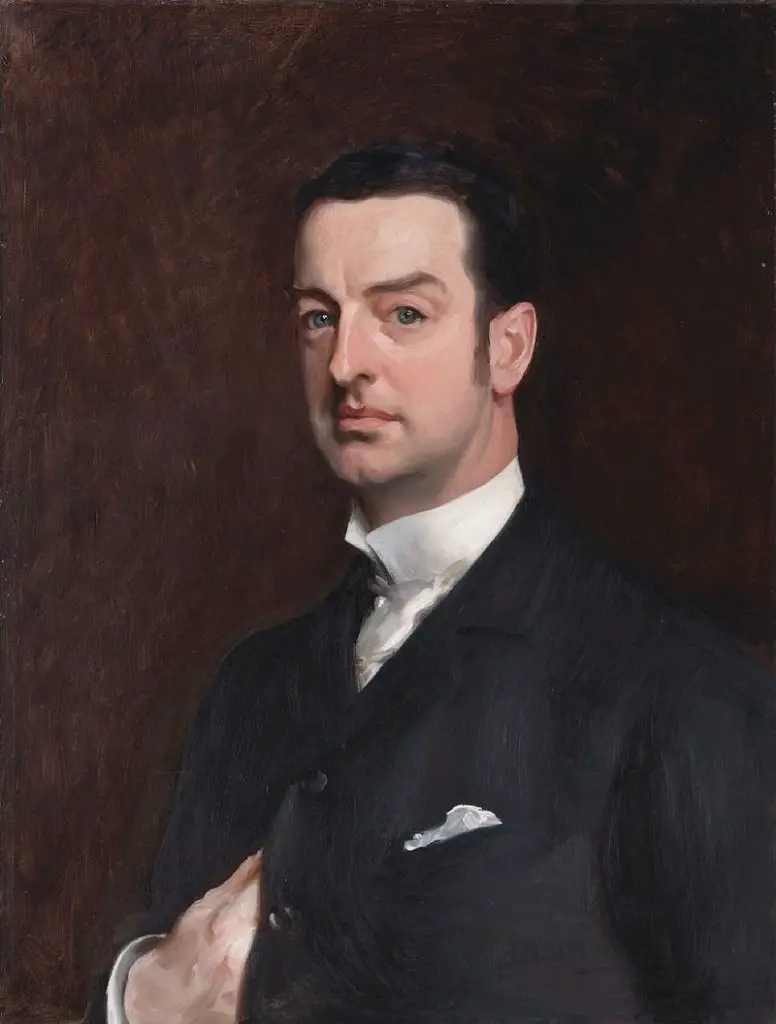
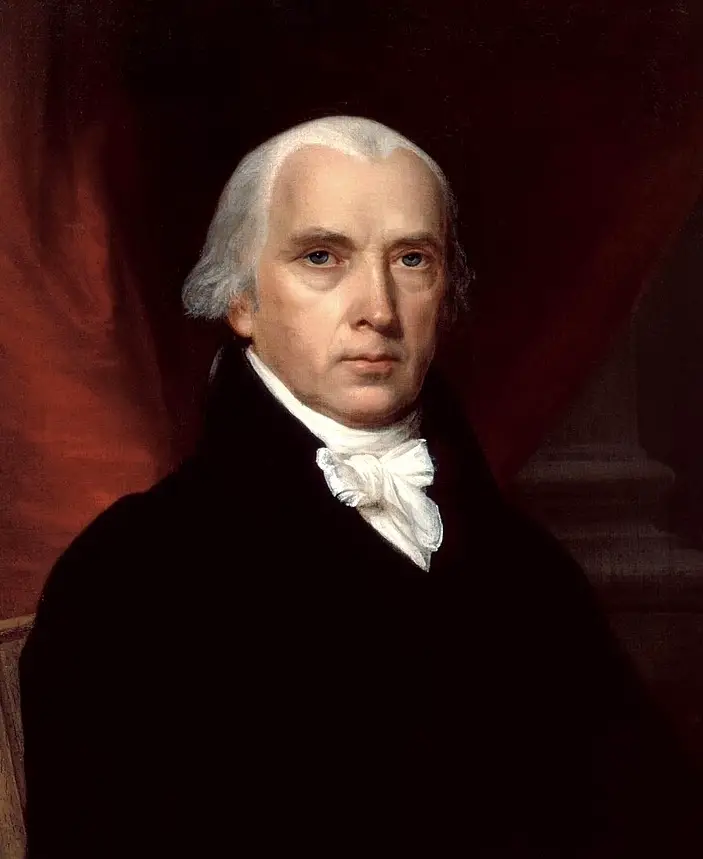
Portrait
For one thing, the federal government had no power. There was no president and no court. States had all the power and could veto anything they didn’t like. The federal government had no ability to levy for taxes.
The Northwest Ordinance passed in 1787 was the most positive thing to come out of the Articles of Confederation. It set up a system for western areas, such as Ohio and Indiana to become states. More important, though, it forbade slavery to expand into these areas.
When the Congressional delegates met in Philadelphia in 1787, they planned to change the Articles of Confederation to make it better. Instead, they decided to start over.
The process wasn’t easy, because each state delegate had a different idea of what the new government should look like.
The Virginia Plan (proposed by Virginia) would give advantages to larger states with more people. The New Jersey plan was meant to make sure smaller states were treated fairly too.
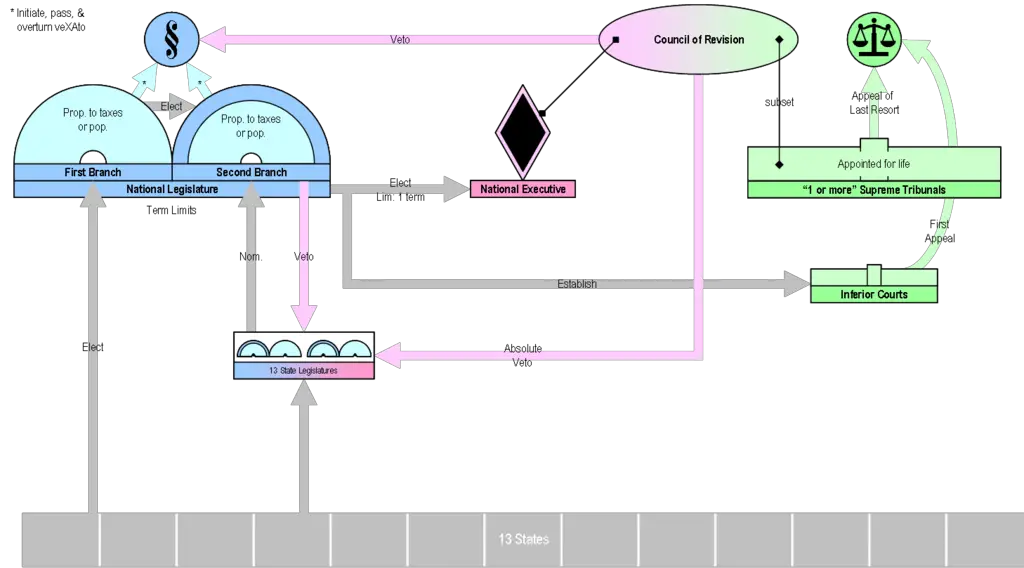
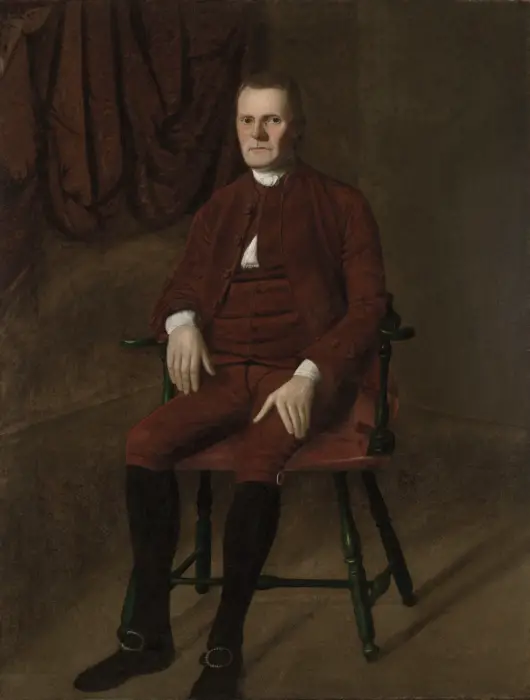
Then Roger Sherman offered the Great Compromise which would establish a two house congress based on each state’s population. Eventually, this was the plan that was used to develop the Constitution.
The story doesn’t end there though. Not only did the leaders disagree about what the new government should look like, but the people disagreed too.
Federalists were educated, wealthy city people. They wanted a strong federal government that would develop trade ties with Britain and be good for the economy.
Anti-federalists favored a small federal government and strong state governments. They believed state leaders could best decide what each state needed.
The Federalists won the debate, but with a compromise that a separate Bill of Rights would be added to the Constitution which would specifically outline the rights of individuals.
Vocabulary
Levy: to require
Delegate: a representative
Questions and Answers
Question: How did the Federalists win the debate?
Answer:They were wealthy and had more money and organization than the Anti-Federalists. They published essays, known as the Federalist Papers, in New York newspapers describing the Constitution and the new government. These essays helped them gain the people’s support.
Learn More
Watch a video from Crash Course about the Constitution.
The Bill of Rights
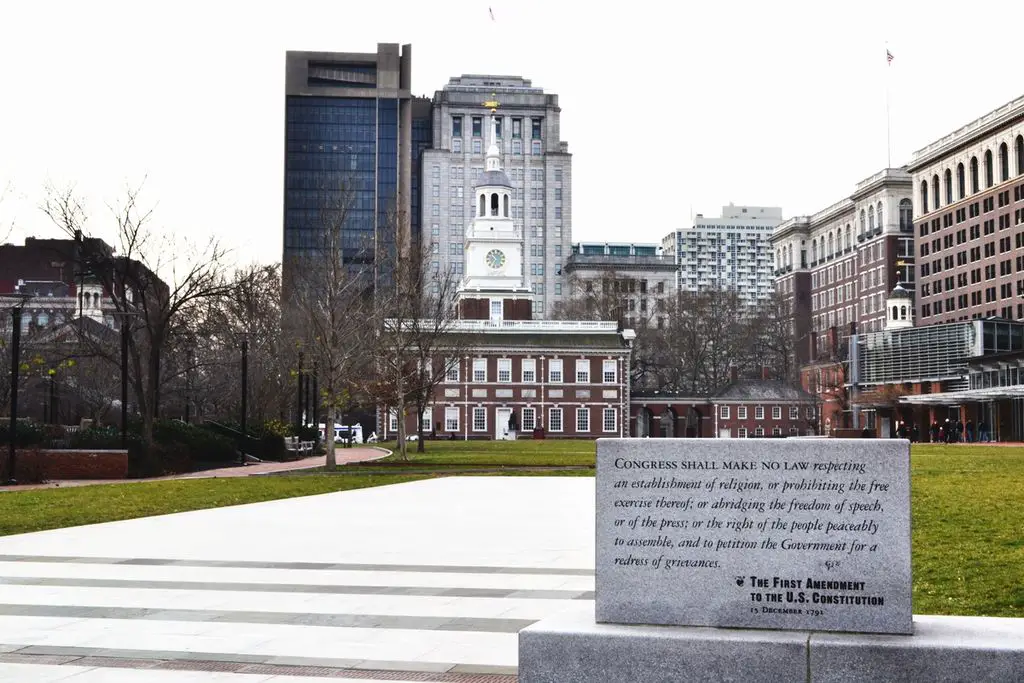
The First Amendment ensures freedom of religion, that people can worship how, when, and what they may, publicly and privately. It also ensures that people, including journalists, can speak freely, assemble peacefully, and complain to the government when they’re unhappy with a law or decision.
The Second Amendment grants the right to keep and bear arms (to own guns) so that the country can have a ready militia.
The Third Amendment says that people can’t be forced to house soldiers in their homes. Before and during the Revolutionary War, the colonists were required to house British soldiers. They didn’t like that.
The Fourth Amendment says that the government can’t search people’s property or seize it without a justified cause (investigators usually need a search warrant to enter someone’s property).
The Fifth Amendment says that we can’t be tried twice for the same crime or forced to testify against ourselves in court).
The Sixth Amendment grants the right to a fair and speedy trial by jury.
The Seventh Amendment guarantees the right to a trial by jury in a private (not criminal) or civil case.
The Eighth Amendment makes excessive fines or bail and cruel or unusual punishment illegal.
The Ninth Amendment allows for changes or amendments to be made to the Constitution.
The 10thAmendment that any power not given to the federal government in the Constitution belongs to the people and the states
Vocabulary
Militia: military
Assemble: gather
Questions and Answers:
Question: Are these the only amendments?
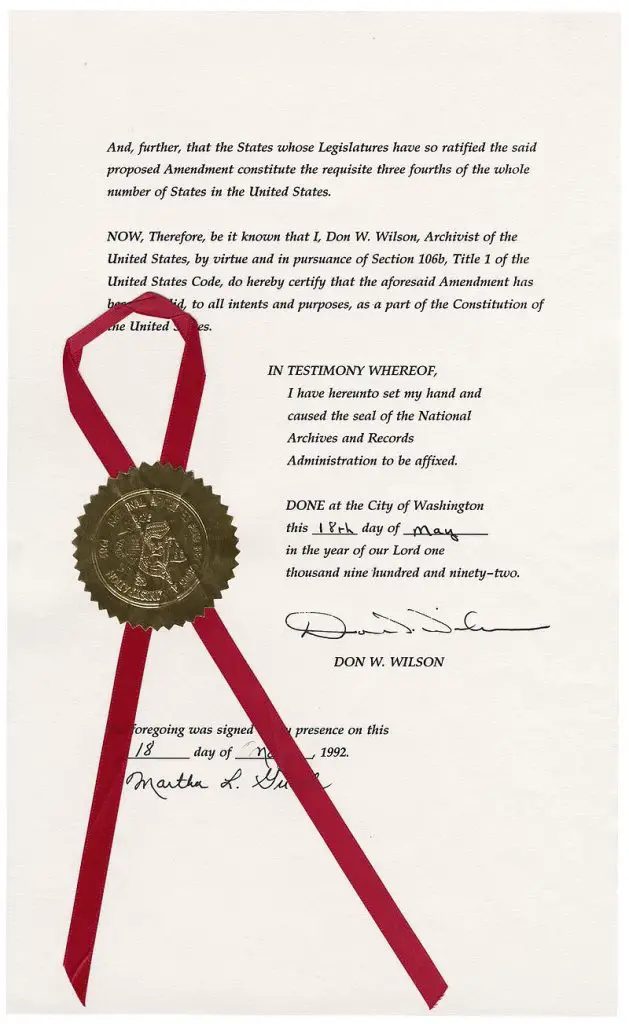
Answer:No. There are currently 27 amendments in all. The government is very careful about adding amendments to the Constitution and doesn’t do it often
What if every time the country or individual states needed to make a new law or decision, they had to consult every person in America? We’d never get anything done. Instead, each state elects representatives to represent each state. These representatives vote based on the people’s will in their state.
Fun Facts
The Constitution says very little about how elections should work.
States determine when and where elections will occur.
Elections are useful because they offer competition in leadership. During election campaigns, politicians should be honest about what they plan to do if they’re elected. If they’re not honest, their opponents challenge them.
Elections are also useful because they give us a way to get rid of bad leaders.
Elections vary from state to state, but in many states, people can choose to mail their ballot ahead of time or go to a polling station to cast their vote.
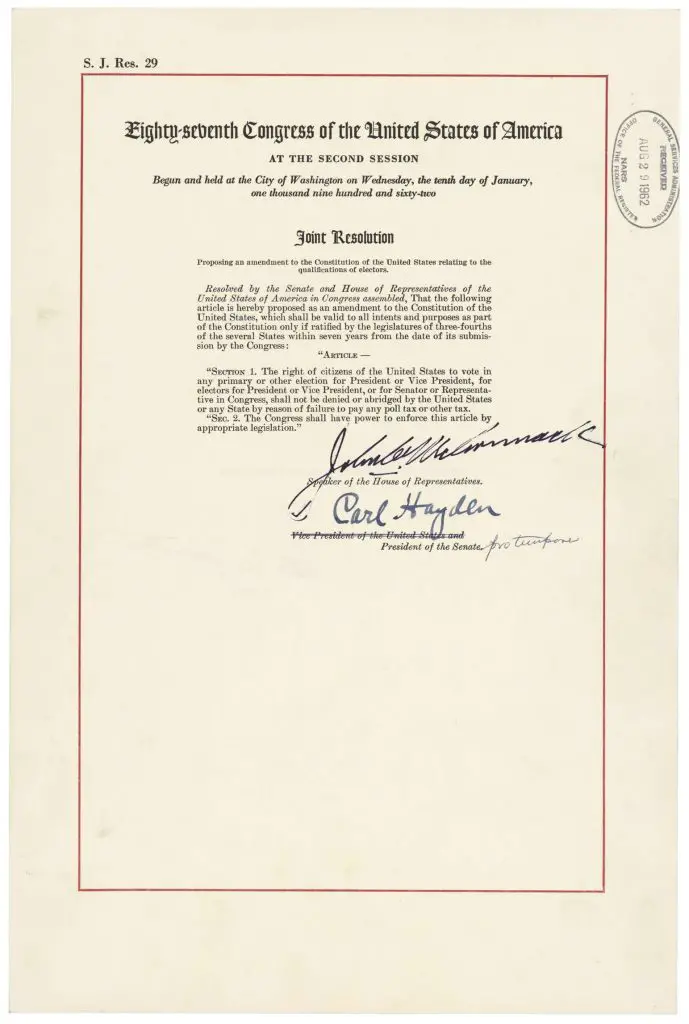
Some amendments were written specifically about voting. The 24thAmendment eliminated a poll tax. People shouldn’t have to pay to vote and the poll tax discouraged those who were poor from voting.
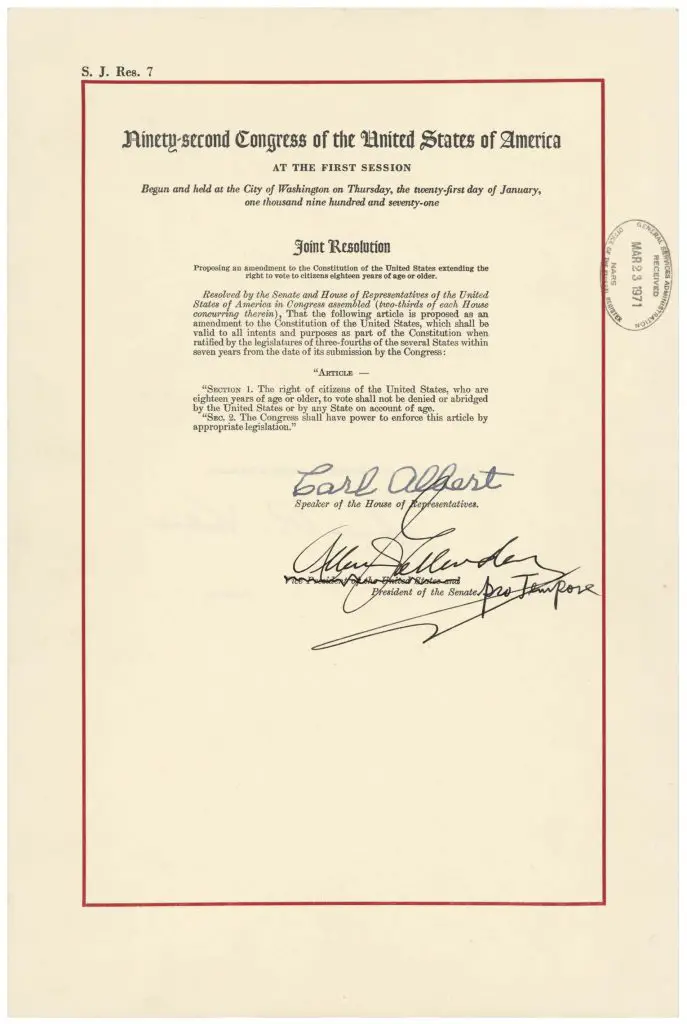
The 26thAmendment changed the required age to vote from 21 to 18.
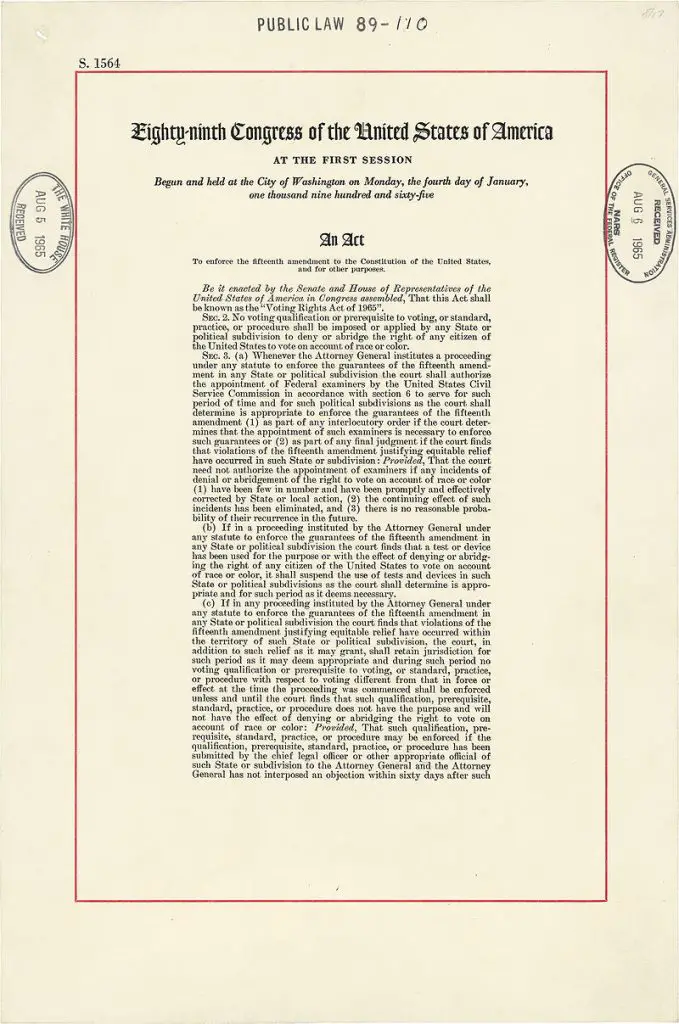
The Voting Act of 1965 made it easier for minorities, especially Black people, to vote.
Vocabulary
Opponent: someone whom you are competing against
Polling station: where voting occurs (usually a school or city building)
Questions and Answers
Question: Does voting really matter?
Answer: Voting doesn’t mean that you will like everything the government does or agree with every leader, but it is the best way to protect democracy and let people have a voice. Voting is a very important right.
Every town or community needs services to keep it running and to keep people safe. These include people in charge of street maintenance, animal regulation, traffic control, garbage collection, and parks, as well as fire fighters, police, and others. Town and city governments are responsible for these people and many other things.
Fun Facts
In most towns and cities, a mayor is elected by the people, along with a city council.
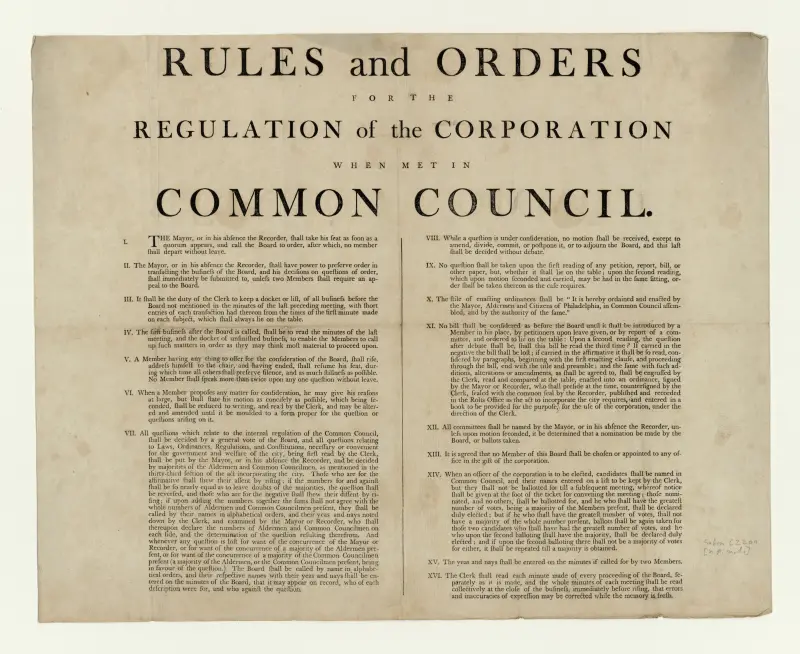
The city council prepares rules, which the mayor approves to become laws.
The city hires directors to manage different things, such as a director of street maintenance, parks, or the library. These people all answer to the mayor and the city council.
The larger a city, the more complex its government. Small towns might have only a few city employees, while large cities might have thousands of employees.
Some cities don’t have a mayor, but might have council members, or alderpersons. Some cities might have a commission of a few people working together or someone called a manager instead of a mayor.
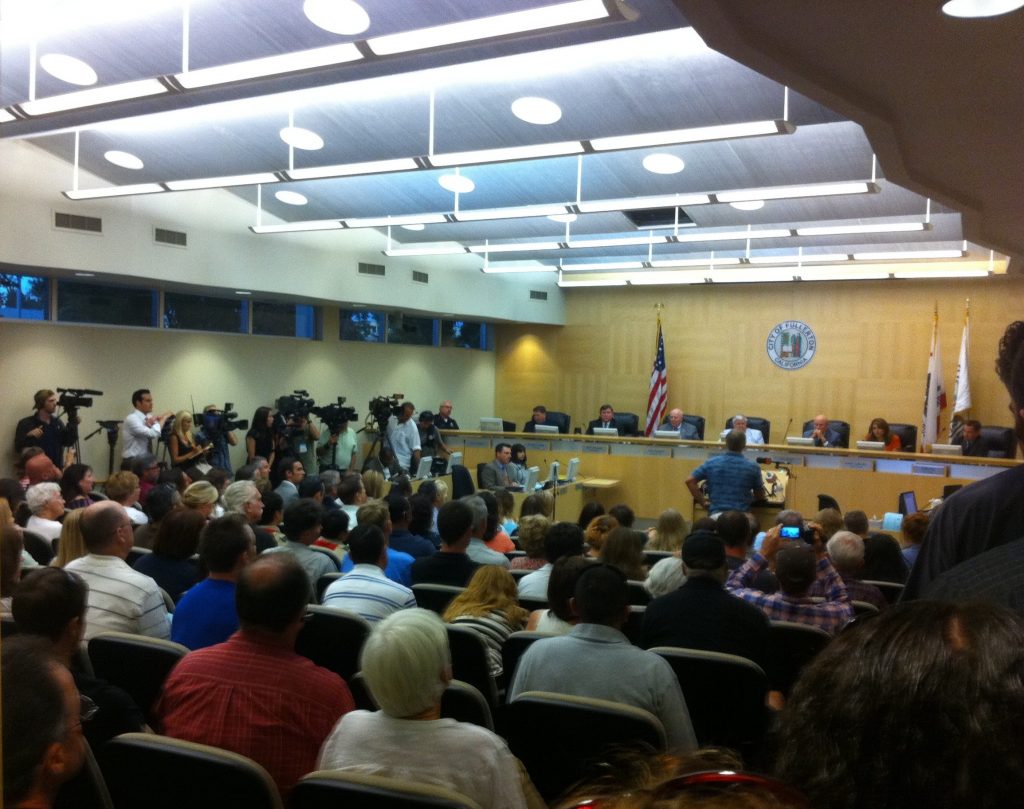
During council meetings, council members discuss important items, such as new buildings, water issues, or street repairs. People in the community can come to these meetings. Sometimes people can vote on certain issues, such as whether to allow a new neighborhood to be built.
Each city or town is in a county, which is in a state. The county has a government too. This government takes care of things like roads, hospitals, water, electric services, and school districts. The county government might prosecute serious crimes or keep records for births and deaths.
Vocabulary
Mayor: elected leader of a city or town
Council: group of elected officers that work with the mayor
Prosecute: take to court
Questions and Answers
Question: Where does the city get its money?
Answer:Cities are funded mostly by taxes and fees collected from the people who live in the city. We pay taxes on our houses (property taxes), the things we buy (sales tax), and our vehicles.
We also pay fees for car licenses and car registration, as well as business licenses and other things.
A mayor and city council makes decisions for towns and cities, but there are lots of decisions that affect an entire state. States need governments too.
Fun Facts
Every state elects a legislature and a governor.
The legislature is made up of people from different parts of the state. This is a good idea so that people in every part of the state have a voice and chance for their opinions to be heard.
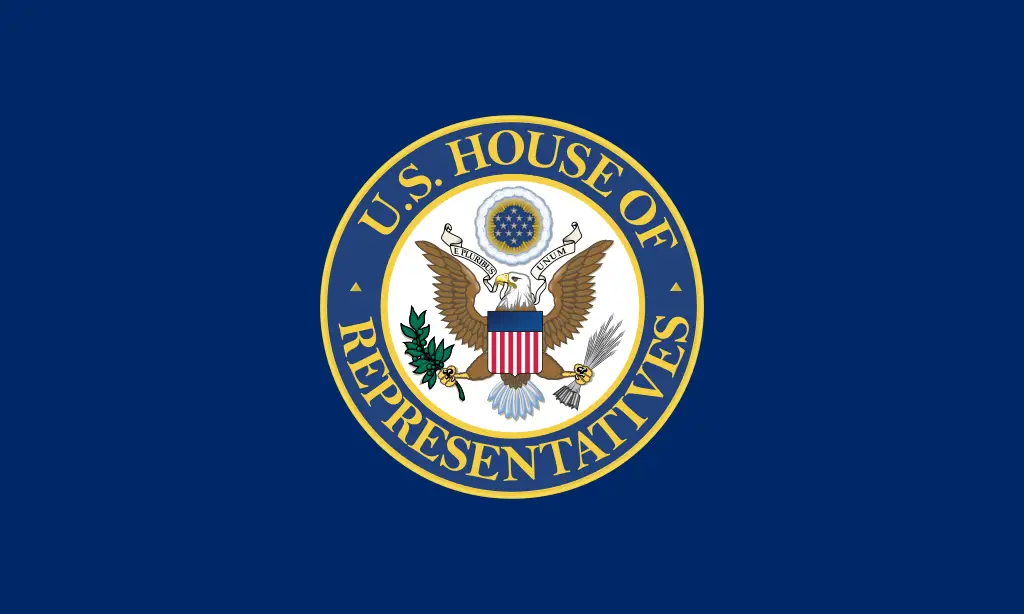
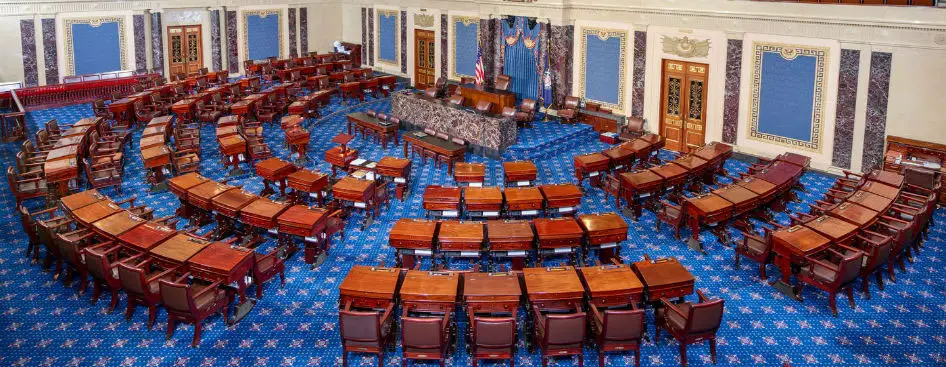
The legislature has two parts—the Senate and the House of Representatives.
These two bodies of government work in separate rooms in the state capitol.
The governor works with the legislature to make laws that are fair for everyone. The governor also works with city and county governments.
Governors must think about business, agriculture, factories, roads, crime, and many other things.
The governor has a team of appointed and elected people to help him or her. The attorney general works on legal issues. The treasurer handles the budget and money. The secretary of state keeps records. When the governor is traveling, the lieutenant governor steps in as governor.
There are also many other people that work in state agencies, such as the Department of Agriculture, the Department of Environmental Conservation, and the Department of Public Works.
State governments make rules designed to protect and help people, such as requirements for doctors or rules about driving a car safely.
Governors also have to make decisions in times of danger or natural disaster. They can call in the National Guard or issue a quarantine (such as during a pandemic).
Vocabulary
Legislature: the bodies of government that make laws
Lieutenant governor: acts in the governor’s place
Questions and Answers
Question:Do states control schools?
Answer: State school boards do make decisions for schools, as well as local school districts. Federal laws control some aspects of education.
Think about the rules you have at home and school. If you didn’t have rules what might happen? Chances are, there would be fights, messes, and even accidents. It would be easier for bigger kids to take advantage of or bully smaller ones.
Laws are even more important in our cities, states, and country because there are so many of us and we all have opinions and things we want. But guess who makes the laws. You do.
Fun Facts
We the people help make laws when we vote for leaders. If we’re doing our research and actively participating, we have a pretty good idea of what is important to candidates. We can vote for candidates that best represent our own opinions.
When we’re unhappy (or happy) about a law, we can let elected leaders know our feelings. We can write letters, make phone calls, speak at a town meeting, or even protest.
Lobbies are organized groups that represent certain ideas, professions, or goals. There are lobbies for teachers, doctors, lawyers, businesses, environmentalists, and many more. These lobbies try to persuade leaders to hear and agree with their point of view. Sometimes lobbyists help raise funds for political campaigns. In exchange politicians might agree to listen to lobbyists.
Getting new laws made takes time and hard work. This is because we know that too many laws can actually be a bad thing. It’s important to consider all perspectives and think about potential downsides before we make laws.
Vocabulary
Lobby: an organized group that aims to influence political leaders
Persuade: convince
Downside: a negative consequence
Questions and Answers
Question: How are state laws passed?
Answer: A state law starts out as a bill, which is just a written document that outlines what the potential law is about. The bill is introduced to the Senate or House of Representatives by one of the members.
Sometimes the public is invited to a public hearing to share their opinions about the bill. Then the bill goes to a committee that considers it and sometimes makes changes called amendments.
After that, the Senate or House votes on the bill. If it passes, it goes to the other house for a vote. If it passes there, it goes to the governor. Sometimes the governor signs the bill and it becomes a law.
Sometimes the governor might veto the bill (or refuse to sign it). If this happens, it goes back to the Senate and House. Two-thirds of the members of both houses must vote in favor of the bill. If this happens, it becomes a law.
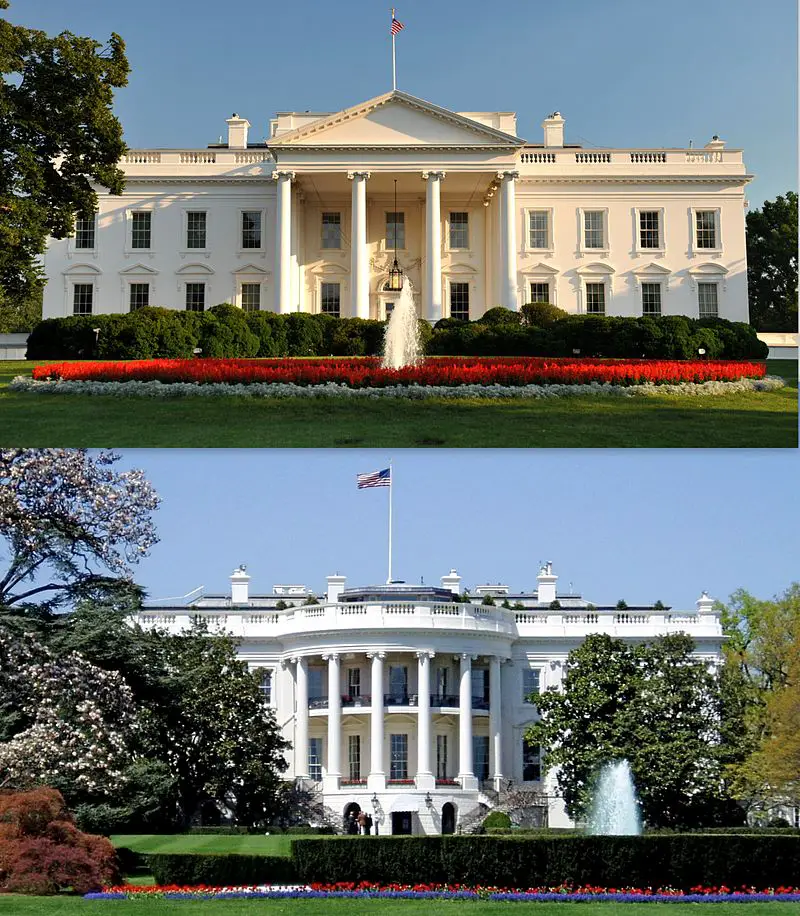
Mayors work for a town or city at the City Hall, while governors work in the Statehouse. The President lives and works in the White House and is responsible for the entire country.
Fun Facts
In order to qualify to run for president, candidates must be at least 35 years old. They must also be natural-born citizens, and have lived here for 14 years.
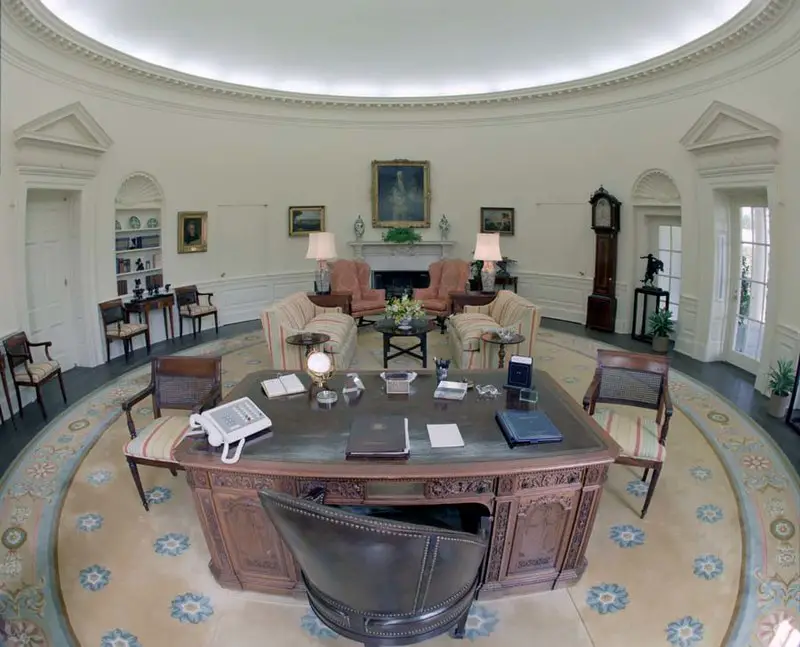
The president’s office is called the Oval Office because of its shape.
S. presidents are very busy. Along with Congress, they command the military, choose judges, and send ambassadors overseas.
S. presidents have the power to veto bills they disapprove of. They give speeches, answer letters, make pardons, and host ceremonies. They stay knowledgeable about what’s going on in our country and around the world. They meet with people every day.
A president has to think about making good choices for our country, but also consider what other countries around the world need. A U.S. president must develop good relationships with world leaders and promote peace.
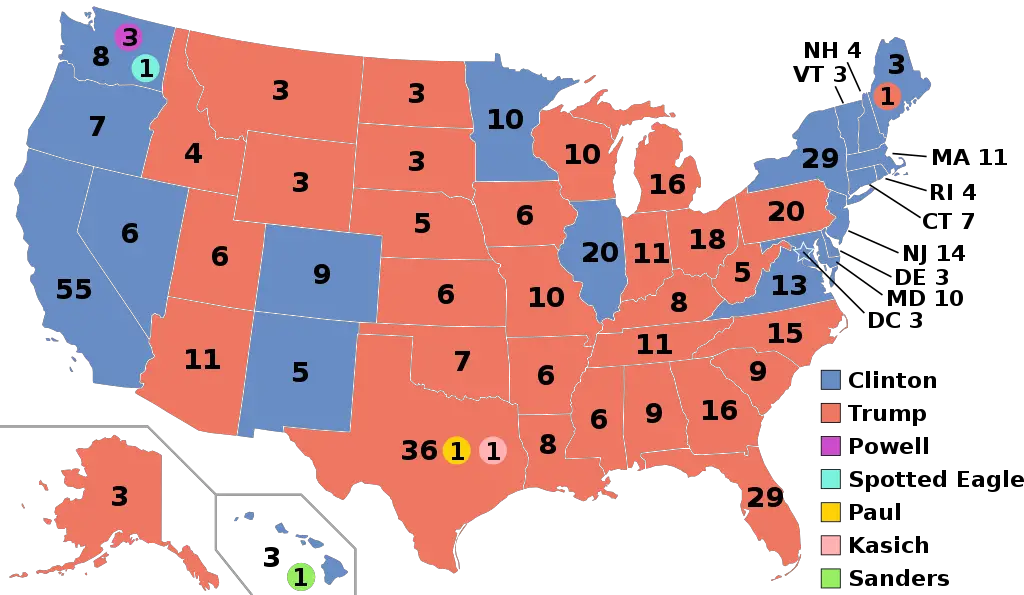
Presidents are elected by the people’s vote and by members of the Electoral College. They serve one term of four years, unless they are re-elected for another term. Eight years is the most time a president can be in office.
The vice president helps the president with some duties and can preside in the president’s place.
Vocabulary
Natural born: someone born in this country
Ambassador: a representative from one country to another
Veto: say no to a bill or law
Questions and Answers
Question:What qualities make a good president?
Answer: Being president is a hard job that requires someone who wants to serve the country, rather than just gain power. A good president should be honest, wise, just, and kind.
She or he must understand the Constitution and democracy, and have experience in working with others.
The Cabinet
It’s important for the president to know and understand what’s happening in the country and in the world. That’s why the president has a “cabinet” of people to help him.
These people are the highest-ranking members of the government. They’re experts in their fields, chosen by the president, and approved by the Senate.
Originally, George Washington had only four cabinet members, the secretary of state, the secretary of the treasury, the secretary of defense, and the attorney general. Today, there are more cabinet members.
Fun Facts
The secretary of state is the most senior cabinet member. This person knows about foreign affairs and has the power to make treaties and agreements with other countries. The secretary of state is in charge of the Department of State and oversees undersecretaries in charge of human rights, political affairs, arms control, etc. Ambassadors from the United States work in embassies in countries throughout the world. Their job is to represent the United States in foreign countries. Consuls are also part of this department. They help our citizens when they’re abroad.
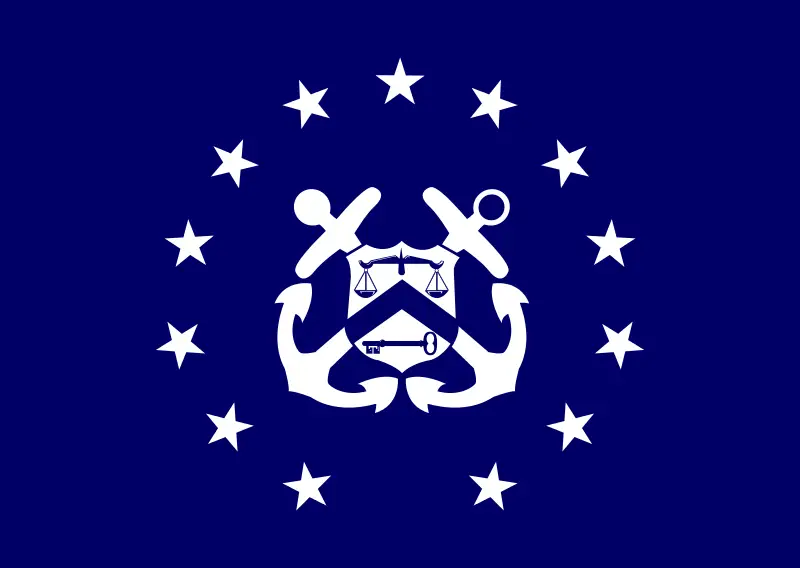
The secretary of the treasury oversees the department that manages the country’s money, which includes trillions of dollars. This department is also responsible for making coins and printing money.
The secretary of defense is responsible for the military and runs the (DOD) at the Pentagon in Arlington, Virginia. This person makes sure the armed services are trained and prepared to defend our country.
The attorney general and the Department of Justice (DOJ) is in charge of crime prevention and law enforcement.
With the help of the Federal Bureau of Investigations (FBI), this department brings people accused of crimes to trial.
The secretary of agriculture is responsible for millions of acres of national forests. This person, with the Department of Agriculture, does food safety inspections, and helps farmers and farming companies with their crops.
The secretary of commerce is responsible for things related to business, such as patents and trademarks, technology, coastal waters, and jobs.
The secretary of health and human services deals with child, drug, and domestic abuse, makes laws about food and drugs, and does medical research.
The secretary of homeland security’s job is to run the Secret Service, oversee immigration processes, prepare for natural disasters, and prevent terrorist attacks.
The secretary of labor looks out for workers, making sure that they have safe, healthy work environments fair salaries, and equal rights for employment.
The secretary of transportation deals with all types of transportation, maintaining federal highways and looking into plane crashes.
The secretary of education oversees public education, developing policies, approving national standards, and allocating money for schools.
The secretary of energy is charged with developing safe, reasonably priced energy systems for the country.
The secretary of housing and urban development’s job is to help people find affordable housing.
The secretary of the interior manages and protects public lands, such as national parks and wildlife refuges, as well as resources like water and minerals. This person also works with tribal nations.
The secretary of veterans’ affairs oversees medical care and support for veterans.
The vice president is also a member of the president’s cabinet.
Vocabulary
Cabinet: a group of experts supporting the president
Tribal nation: Native American groups
Questions and Answers
Question: How does the president choose cabinet members? What are the rules?
Answer:Traditionally, the president chooses people who are well-known and well-respected in their fields of expertise. Although the Senate must approve cabinet members, the president can remove them at will.
Cabinet members, along with the vice president, can also declare a president unfit for office.
Learn More
Watch a video about the presidency and executive branch.
Taxes, Taxes, Taxes
Every day we use services and materials provided by local, state, and federal governments, such as clean water, safe roads, and good schools. We appreciate teachers, firefighters, governors, and others who work for the country. We visit public buildings, such as libraries, colleges, and even hospitals. All these things are paid for with taxes.
Fun Facts
At home in your own community, your family pays a local property tax each year. This property tax helps pay for schools and other important things right where you live.
Most states charge a sales tax on things you buy at stores. Most states also charge a tax on income, or the amount of money you earn.
We also pay federal income taxes every April 15. This money goes into the U.S. Treasury to be used by the government.
The payroll tax goes into an account to pay people when they become too old or sick to work (Social Security).
There are also special taxes on some items, such as gasoline, cigarettes, and airline travel.
Vocabulary
Income: money earned from a salary, investments, or inheritance
Federal: at the level of the country, as opposed to local or state
Questions and Answers
Question: I hear adults complaining about taxes. Are taxes a bad thing?
Answer: Most people would like to keep as much of their money as possible, which is one reason people complain about taxes. People are also unhappy if they disagree with how the money is spent or believe taxes are too high.
It’s true that sometimes tax money probably isn’t used as efficiently as it could be. On the other hand, we get a lot of benefits from our taxes.
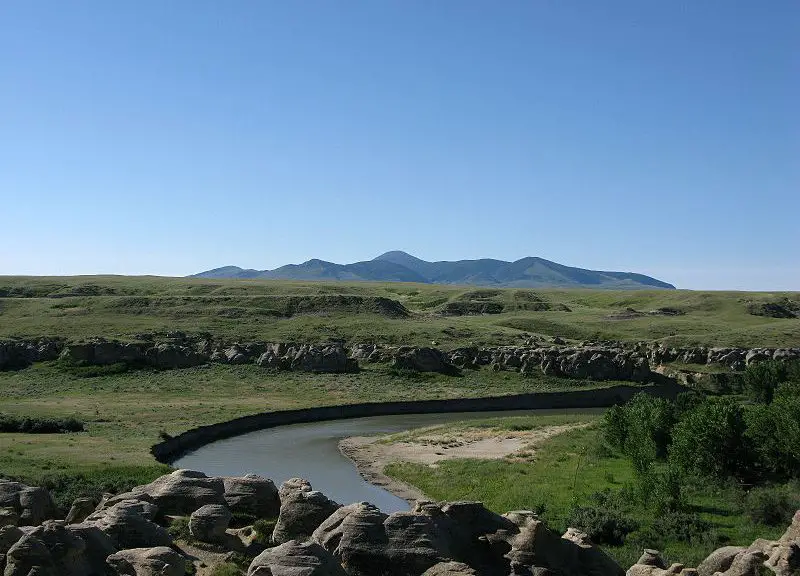
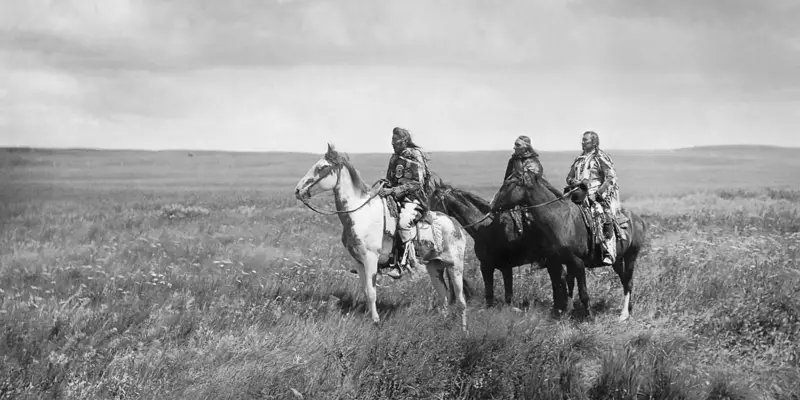
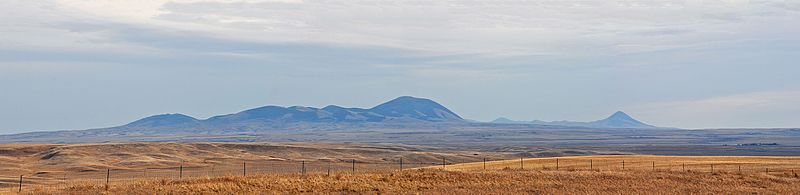
Sweet Grass Hills are a series of low mountains between 3,000 and 7,000 feet above sea level that lie in Whitlash, Montana in Liberty and Toole County. They’re important because they are sacred to the Blackfoot people.
Fun Facts
The Blackfoot word for the area is Katoyisiks, which means “Sweet Pine Hills.”
For thousands of years, the Blackfoot people lived and hunted in the area. Many of their earliest stories concern the Sweet Grass Hills.
One story says that Old Man (God) made the hills with rocks he was carrying after he created the earth.
Another story describes how the Blackfoot people surrounded a group of Crow Indians on the Middle Butte. Through the night, the Blackfoot circled and pushed the Crow nearer and nearer the top of the hill. The Crow began singing and when the sun rose, they had disappeared. The Blackfoot people still sing the song during traditional activities.
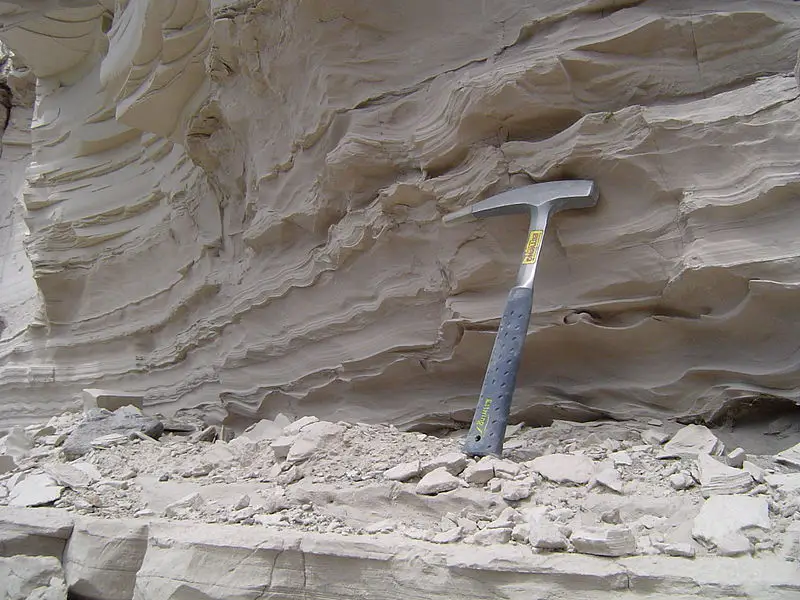
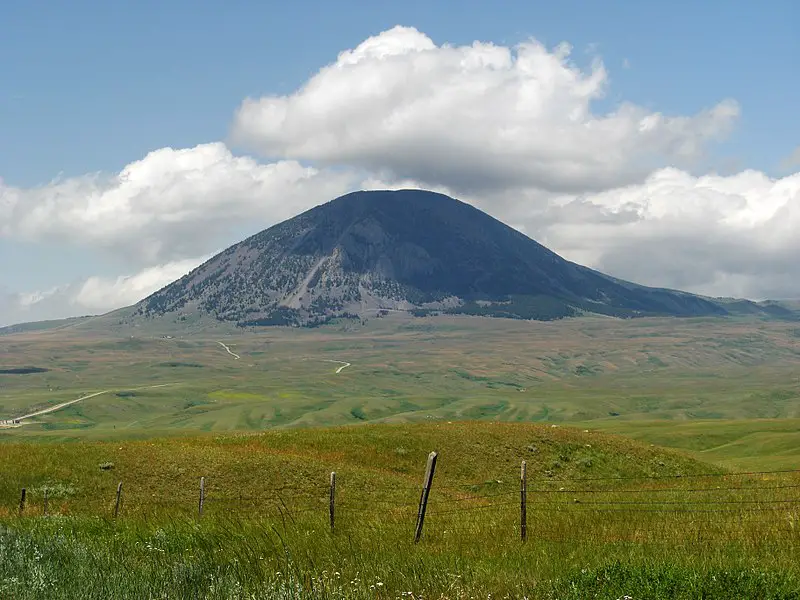
The hills formed 50 million years ago from hard igneous rock that pushed up through the surface of the earth. A continental glacier moved through the area leaving a sheet of ice 1,000 feet thick. The ice covered two-thirds of the mountains, leaving the tops bare. This is why the tops of the mountains aren’t jagged and rugged like most mountains in Montana. The surrounding sedimentary rock wore away long ago. The hills stand in the middle of a prairie like an island.
The West Butte is the highest peak, standing at 6,983 feet above sea level.
The hills were the site of a battle in 1872 between the Blackfoot and wolfers.
In 1887, the United States government signed a treaty with the Blackfoot taking 17,500,000 acres of their land. The remaining 6,000,000 acres were divided to form three reservations.
During the 1930s, gold miners searched for gold here.
Vocabulary
Wolfer: someone who hunts wolves
Igneous: rock formed from hardened magma flow
Sedimentary: rock formed by sediment deposits (mud, sand, plant and animal debris)
Questions and Answers
Question: What is found at the Sweet Grass Hills today?
Answer: Two small towns are nearby the Sweet Grass Hills. The hills themselves rise very steeply from the prairie and can be seen for miles around. They are covered mostly with tall grass. The area is very windy.
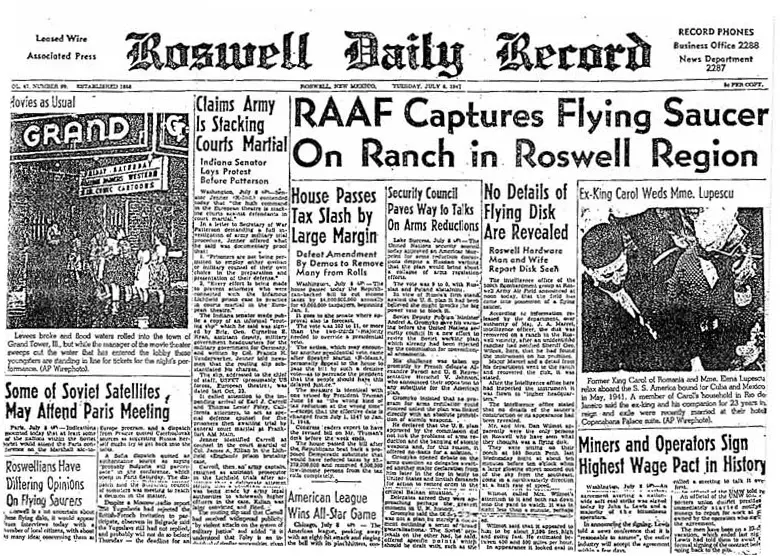
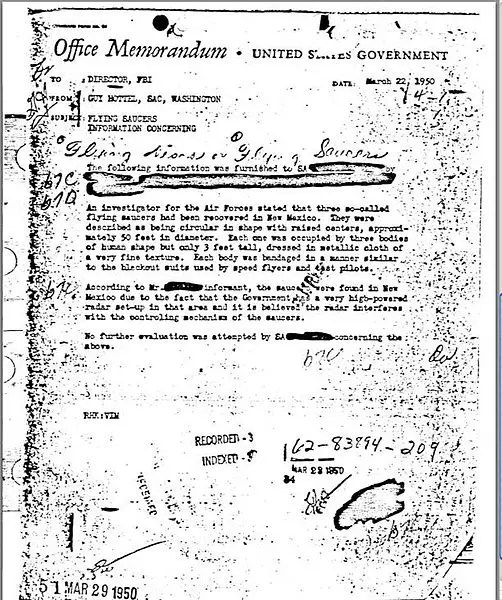
In July, 1947, ranch foreman William Brazel and his son discovered a pile of debris on a ranch in New Mexico consisting of rubber strips, tinfoil, thick paper, and sticks. At the same time, people reported seeing a round disc in the sky that later crashed. What could that round disc be?
Fun Facts
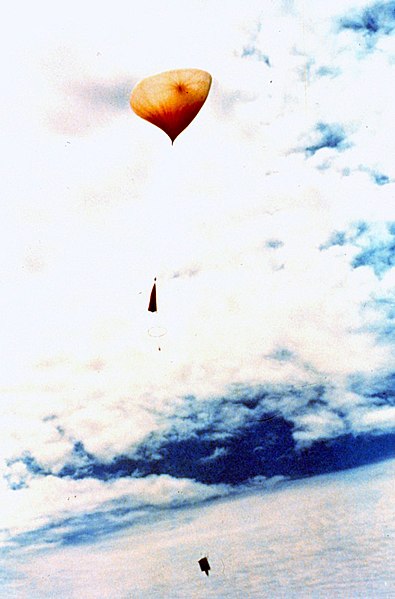
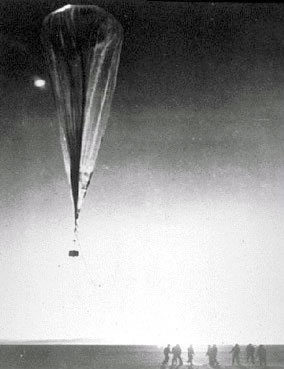
After the discovery, the U.S. Army Air Forces said the disc was actually a weather balloon. People forgot about the incident for more than 30 years.
In the 1970s, several people became interested in the weather balloon. These people looked at classified (and released) military documents and became convinced that the balloon was actually an alien spacecraft.
They suggested that the U.S. military had recovered alien bodies and was lying about the incident. Interest grew in Roswell, New Mexico and other people came to investigate. Several of them even wrote books.
In the 1990s, the military released two reports stating that the disc was actually a nuclear test surveillance balloon from Project Mogul.
But believers would not be swayed. One man made an elaborate presentation that included photos of a supposed alien, which later turned out to be the mummified body of a Native American child discovered in the late 1800s. The remains had been displayed in a museum for many years.
Today, the Roswell UFO incident is the most well-known and most researched UFO sighting. There is no evidence that the incident actually involved alien beings.
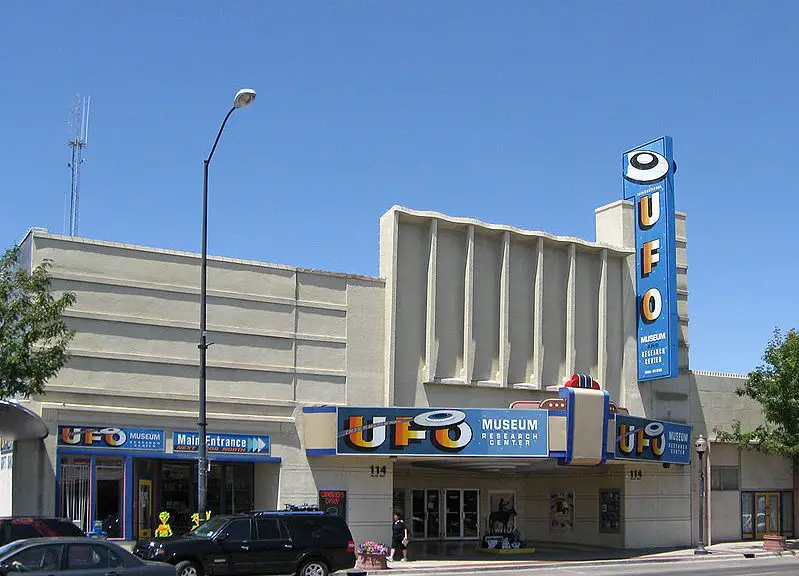
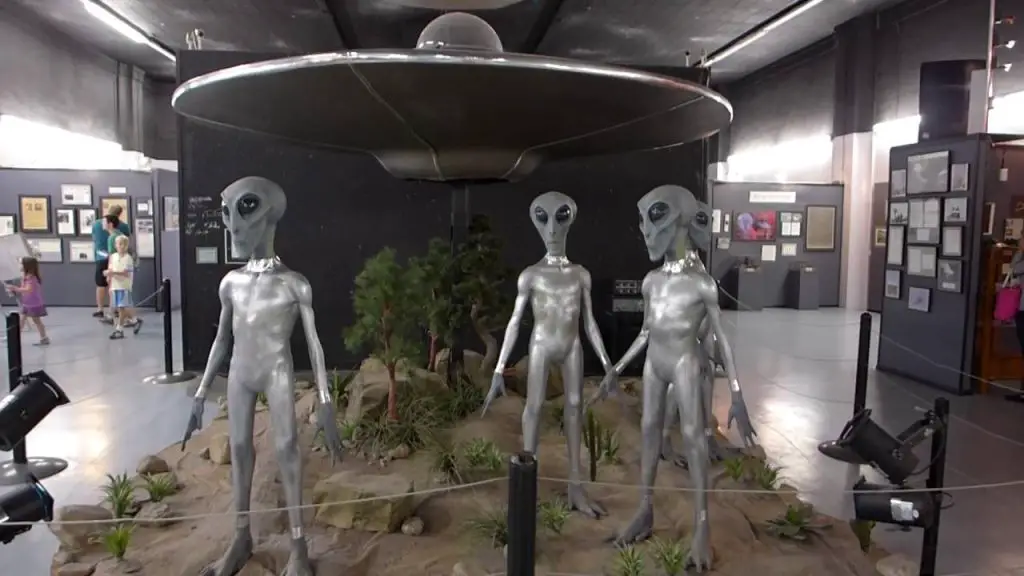
A museum in Roswell, New Mexico holds exhibits and materials related to the incident:
Vocabulary
Foreman: a manager
Incident: a situation
Questions and Answers
Question: Why did so many people believe in the UFO sighting?
Answer: After World War II through the Cold War and into the 1980s, there was a deep sense of fear, much of it aimed at government and military, including the U.S. government. During the 1980s especially, people were interested in conspiracy theory.
The people writing books and making presentations about Roswell had a lot to gain financially. They produced reams of “evidence,” which made them seem credible to the gullible.
Even today, conspiracy theories abound. To avoid falling for a tall tale, it’s important to ask questions, think logically, and review research carefully. “If you hear hoof beats, look for horses, not zebras” is an old saying that means, “the simplest, most logical explanation is probably the right one.”
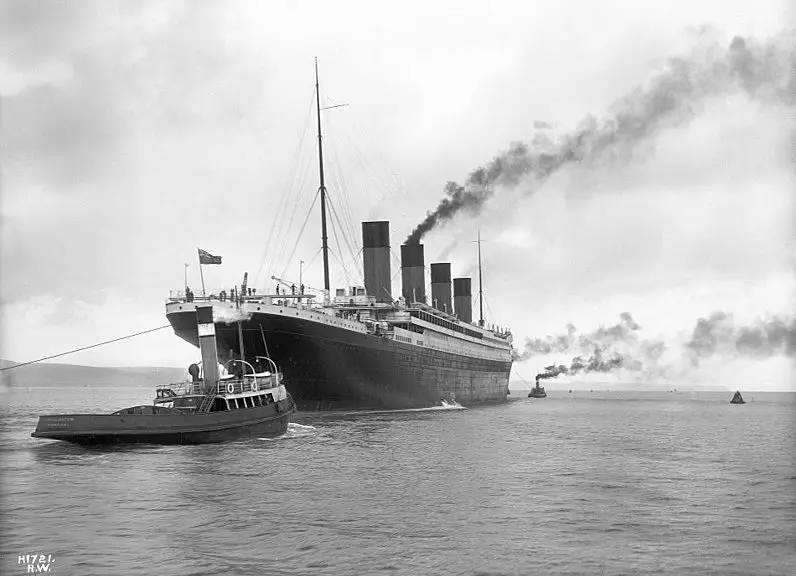
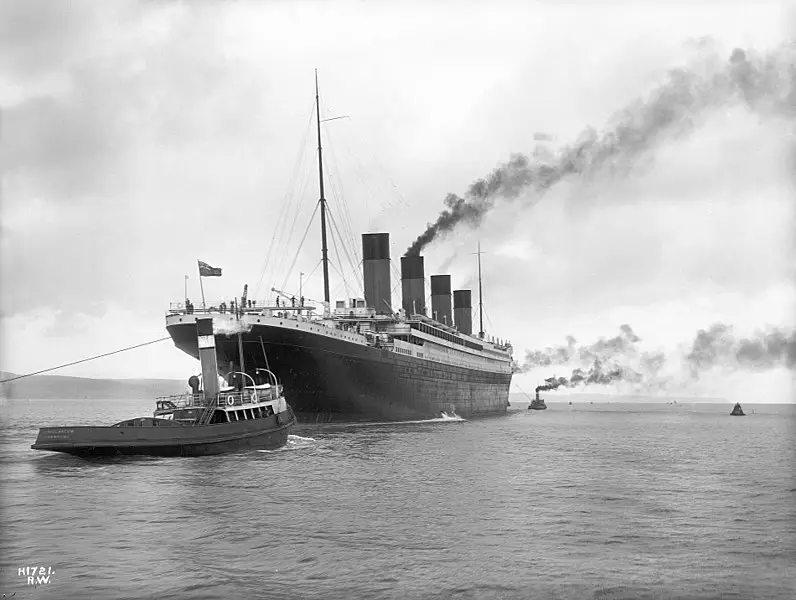
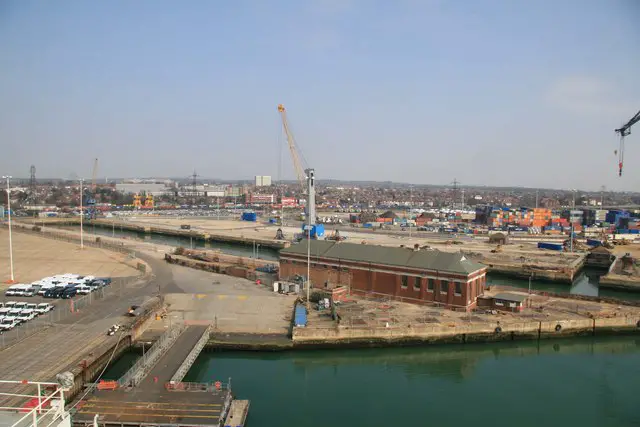
On April 10, 1912, the RMS Titanic set sail for its maiden voyage from Southampton, England (United Kingdom) to New York City. It was hailed as the largest and most luxurious ship ever built. Its engineers believed it was so structurally sound as to be “unsinkable.” They were wrong.
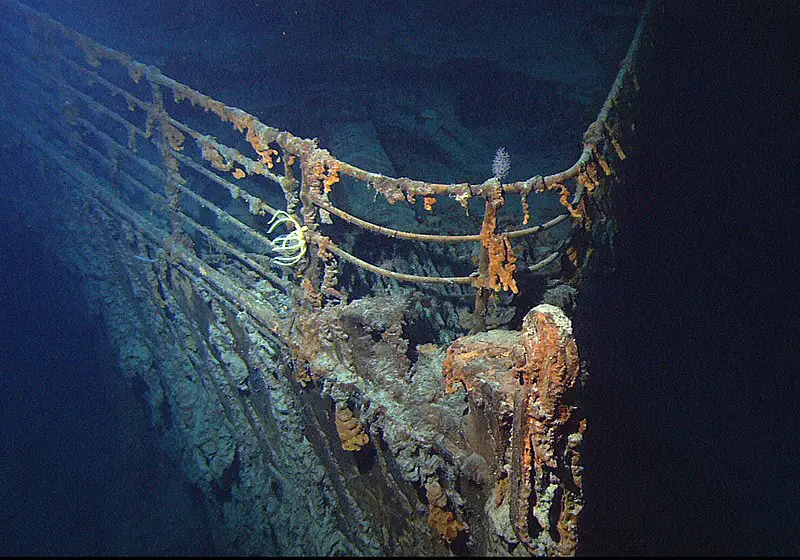
The ship sank early April 15, 1912 after hitting an iceberg, which tore a hole in the ship’s hull. At least 1,500 of the 2,200 passengers and crew aboard the ship died. The disaster is still remembered more than 100 years later. Museums and memorials are found in Belfast, Ireland as well as the United States.
Fun Facts
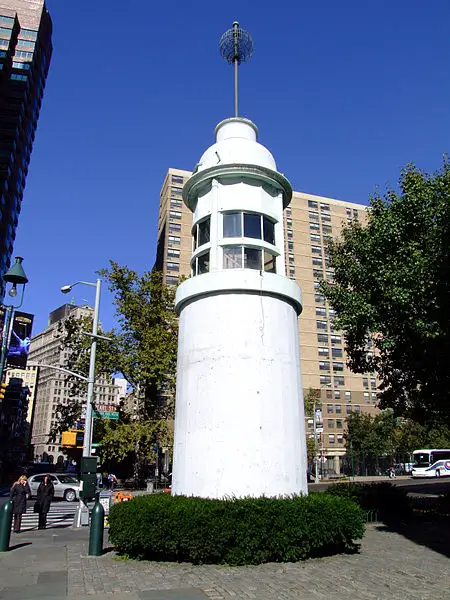
The Titanic Memorial Lighthouse was built in 1913 in Lower Manhattan as a tribute to those who died on the ship.
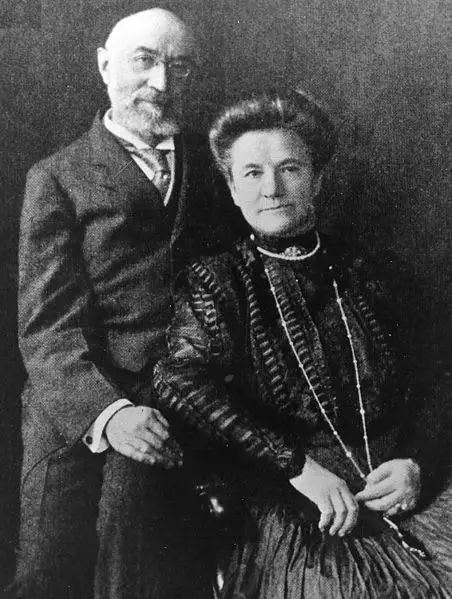
Straus Park in New York City was dedicated in 1913 to Ida Straus, wife of U.S. Congressman Isidor Straus. Ida and Isidor had been married for many years and were devoted to each other. When the ship was sinking, they stood near Lifeboat 8, but Isidor refused to get in the boat when women and children were still in need. Ida said that she would go where he went and they stayed together on the ship. Isidor’s body was later recovered, but Ida’s was never found.
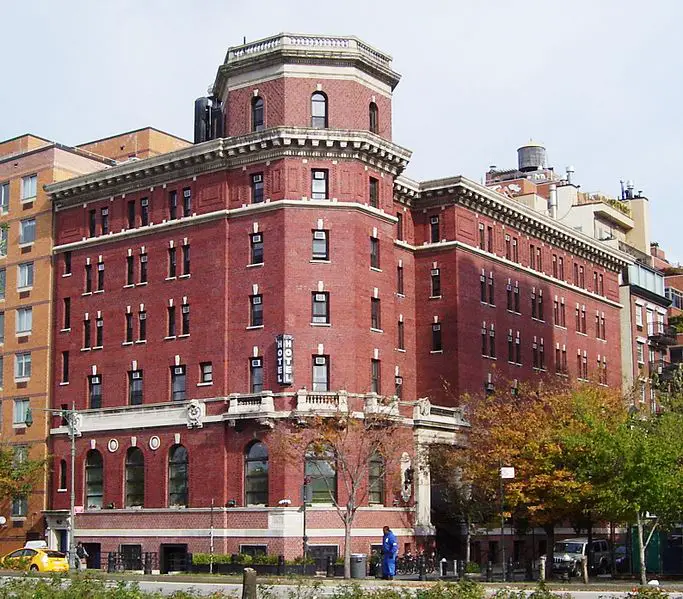
Jane Hotel in New York is where crewmembers stayed after they were rescued. The hotel is still open today.
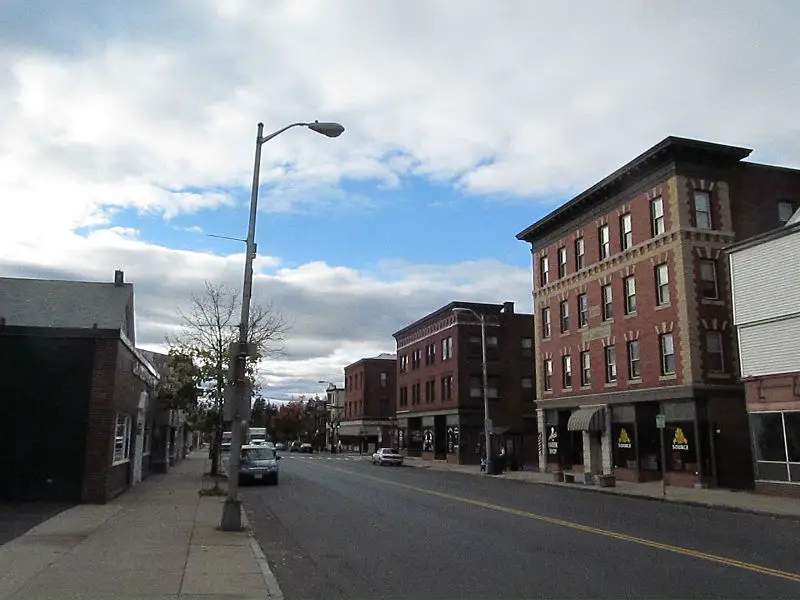
Indian Orchard, Massachusetts is the site of one of the first museum for the Titanic, and opened in 1963. The museum holds the life vest worn by John Jacob Astor, as well as clothing, coins, and letters.
The National Museum of American History at the Smithsonian Institution Museum in Washington D.C. holds one of the largest collections of Titanic memorabilia, including life vests and photographs.
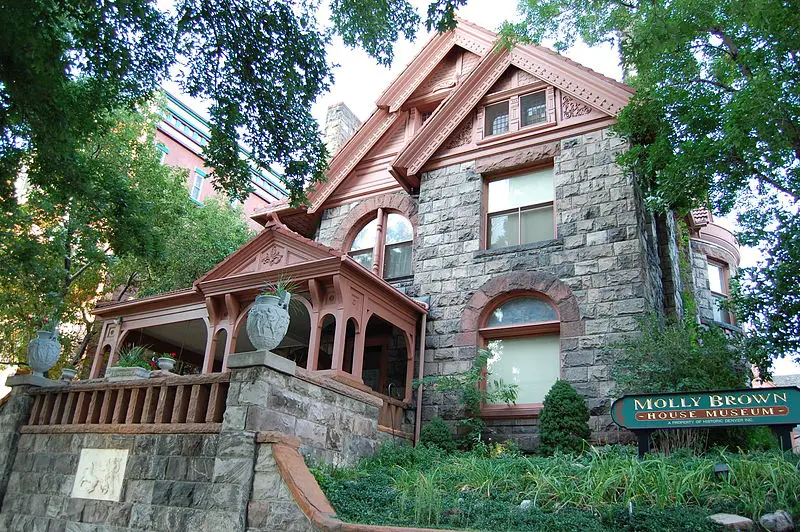
The Molly Brown House in Denver celebrates the life of the “unsinkable” Molly Brown. The museum is actually in Molly Brown’s home.
In Branson, Missouri is a museum and 18-foot model of the ship, as well as cabin replicas.
Vocabulary
Tribute: to honor
Hull: the side of a ship
Questions and Answers
Question: Why did so many people die on the Titanic?
Answer: Several reasons. The ship was not equipped with enough life jackets for everyone. Additionally, no one expected or believed that the ship could sink. The ship sank quite quickly and they were unprepared.
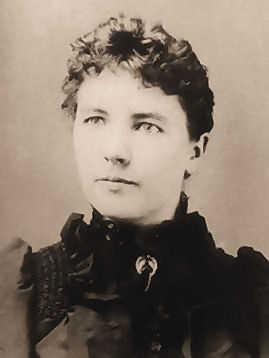
Laura Ingalls Wilder probably never dreamed how popular her books would become. Over 40 million copies have sold and children have been learning about Laura’s life for nearly 100 years. Fans of Laura Ingalls Wilder can visit not one, but five, museums in five states!
Fun Facts
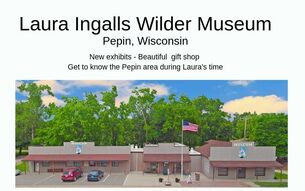
Laura Ingalls Wilder was born in 1867 in Pepin, Wisconsin, which is where the book Little House in the Big Woods takes place. The Laura Ingalls Wilder Museum here features a re-creation of the cabin she lived in with her family.
The Ingalls family moved to Independence, Kansas in 1869. Fans can visit a re-created cabin there at the site believed to have been the Ingalls’s property.
The Laura Ingalls Wilder Museum in Walnut Grove, Minnesota features a dugout house, a school house, an early settler home, and a covered wagon. Laura’s family moved here in 1874.
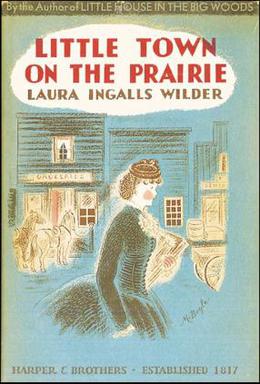
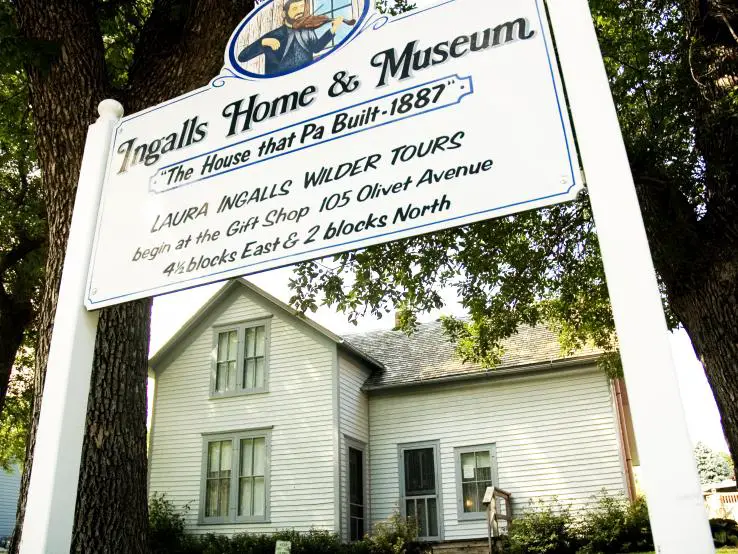
The Ingalls moved to DeSmet, South Dakota, and Charles Ingalls built their final home there in 1887. The home still stands, along with several buildings featured in Little Town on the Prairie.
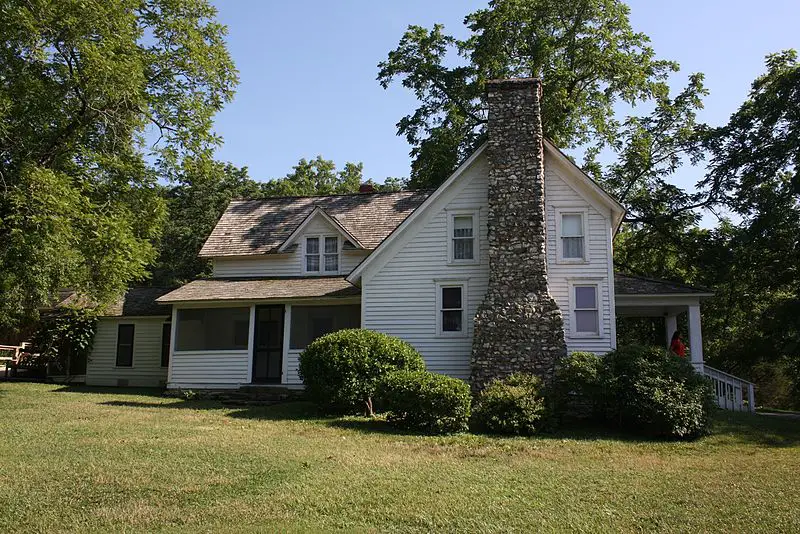
Laura Ingalls Wilder settled in Mansfield, Missouri with her husband Almanzo. A museum at their beloved farm Rocky Ridge Farm holds the largest collection of Laura’s personal items and books.
Vocabulary
Re-creation: an authentic and accurate copy of something
Popular: liked by many
Questions and Answers
Question: Why did Laura’s family move so much?
Answer: Laura’s father had an adventurous frontier spirit and didn’t care for crowds so he was always excited to discover new lands and opportunities.
Another reason they frequently moved though was because of financial hardship and ruin. In Walnut Grove, for example, locusts destroyed their crops two years in a row and Laura’s baby brother died.
As an adult, Laura experienced hard times too. During her early marriage, Laura and Almanzo’s crops were destroyed by drought or hail for three years. Their barn and their house burned down and their first child died.
They both got diphtheria, a serious disease, which left Almanzo with a limp for the rest of his life. Still, Laura and Almanzo were happy and they loved farming. Laura published her first story when she was sixty-five years old.







 (DOD) at the Pentagon in Arlington, Virginia. This person makes sure the armed services are trained and prepared to defend our country.