All posts by americanadmin

President Lincoln’s Cottage

President Lincoln’s Cottage

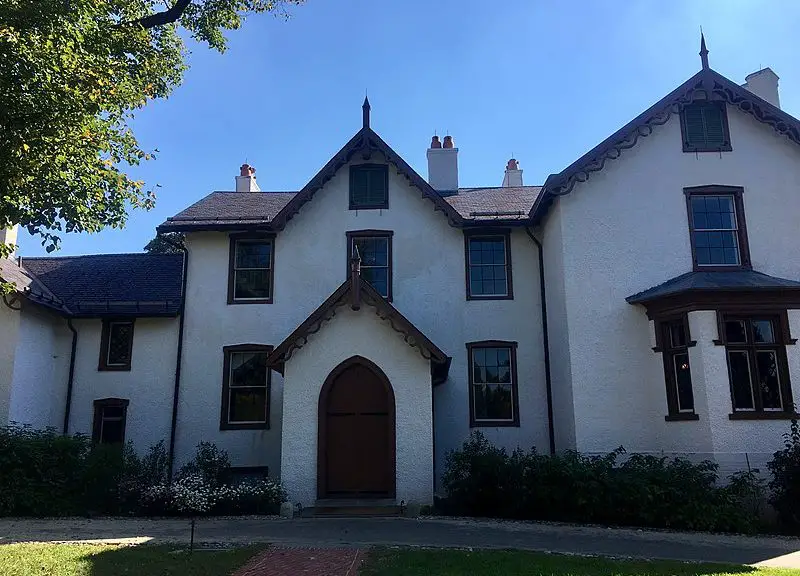
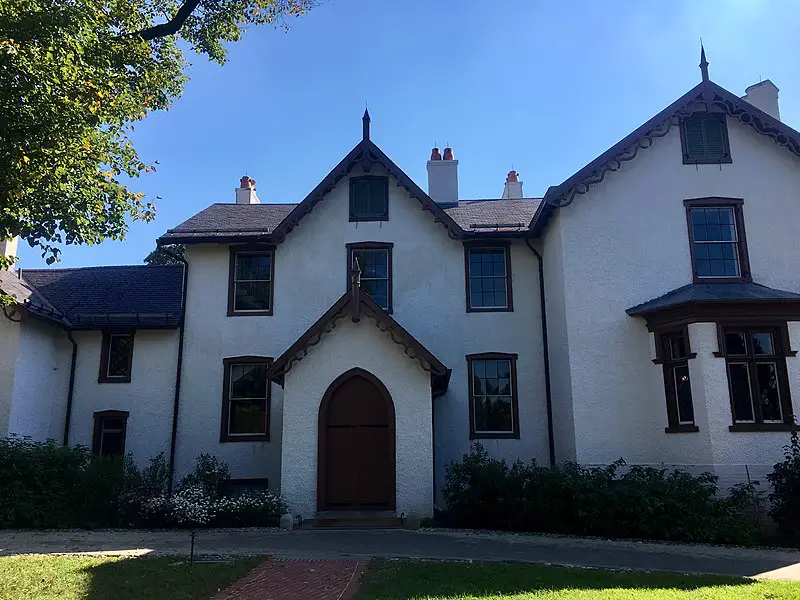
U.S. presidents have long enjoyed summer homes—places where they could retreat from the politics and the heat of Washington D.C. for a few weeks or months. Lincoln’s Cottage was a special place for the Lincoln family.
Lincolns Cottage Front Entrance

Fun Facts

  • President Lincoln’s Cottage was built in 1842-1843 and was originally owned by George Washington Riggs, founder of the Riggs National Bank.
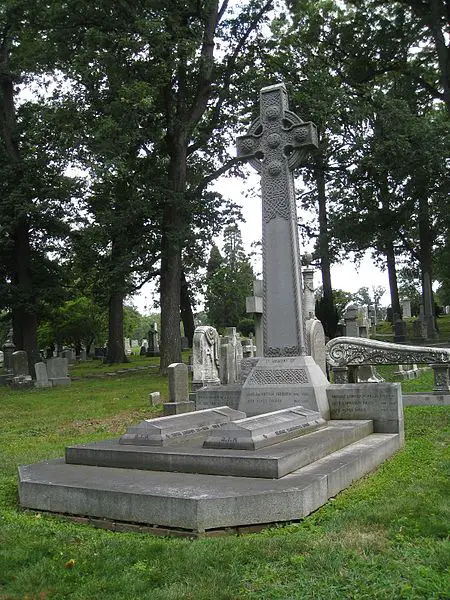
    Riggs George Washington Grave

  • It is located in Brookland, near Washington D.C. and sits on 251 acres, part of the Soldier’s Home, which was later renamed the Armed Forces Retirement Home.
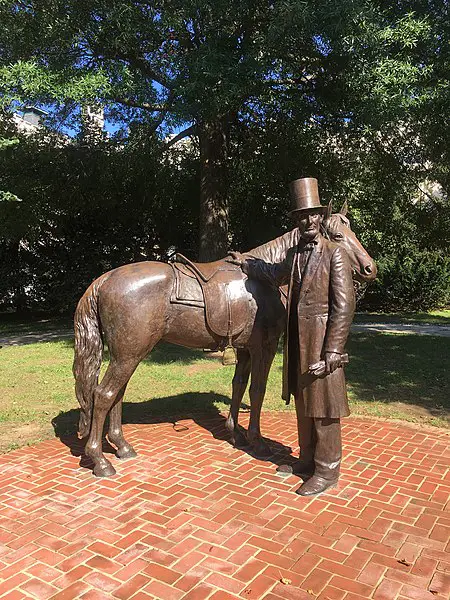
    Lincoln Statue At Lincolns Cottage

  • The home was previously used as a summer White House by President James Buchanan.
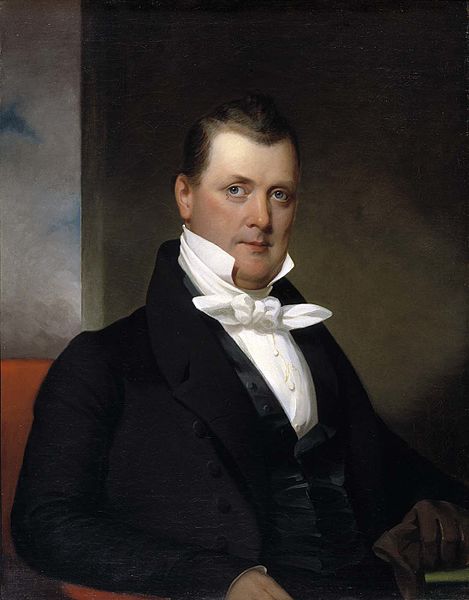
    James Buchanan

  • Lincoln and his family stayed here from June to November each year, 1862 to 1864.
  • President Lincoln wrote the first draft of the Emancipation Proclamation, the document that declared all people (including enslaved African Americans) free.
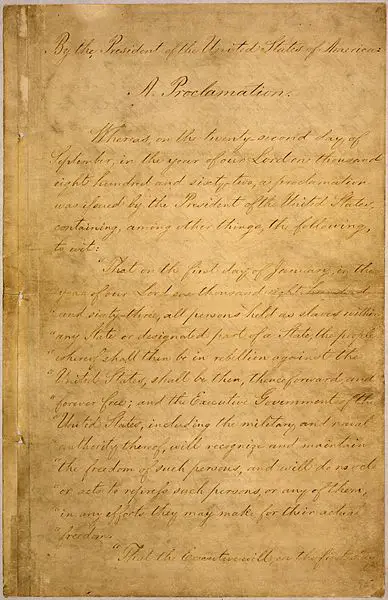
    Emancipation Proclamation

  • The poet Walt Whitman wrote that he often saw President Lincoln riding his horse from the White House to the cottage. Whitman said that Lincoln dressed rather plainly and appeared as any ordinary man. Lincoln often greeted Whitman cordially, although Whitman said the president always had a slightly sad look in his eye.
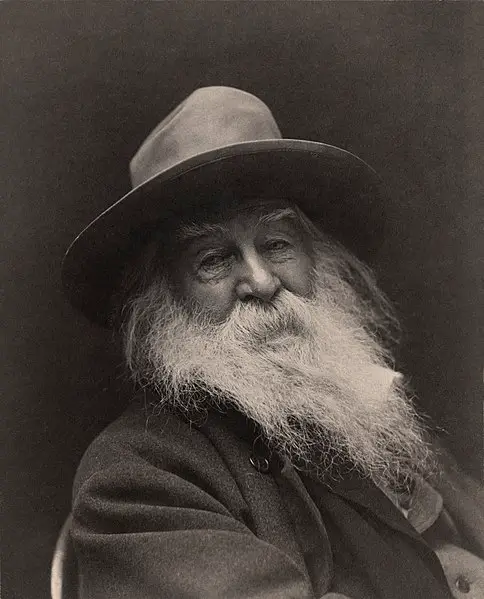
    Walt Whitman

  • The cottage was restored in 2007 and open to the public in 2008. Visitors enjoy its Gothic Revival Style and the displays of Lincoln’s writings and possessions.


Vocabulary

  1. Draft: a version, usually of written material; the first draft is the first version, which will then be revised and edited
  2. Cordial: friendly, gracious


Questions and Answers

Question: What was the home used for after Lincoln’s death?

Answer: Two more presidents, Rutherford B. Hayes and Chester A. Arthur, used it as a summer home too.
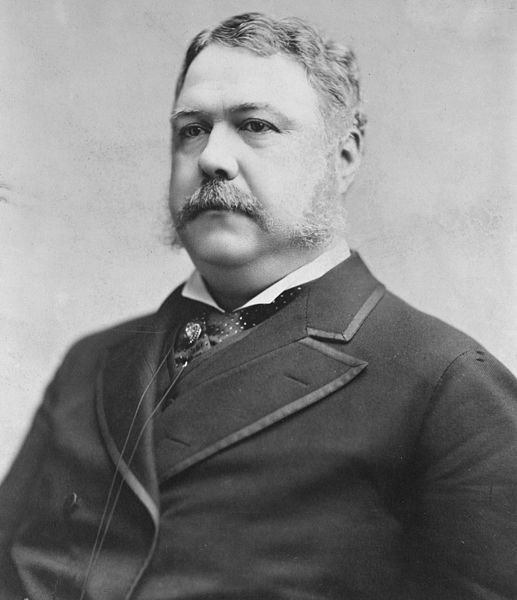
Chester Alan Arthur

Learn More

Visit the official website of President Lincoln’s Cottage.
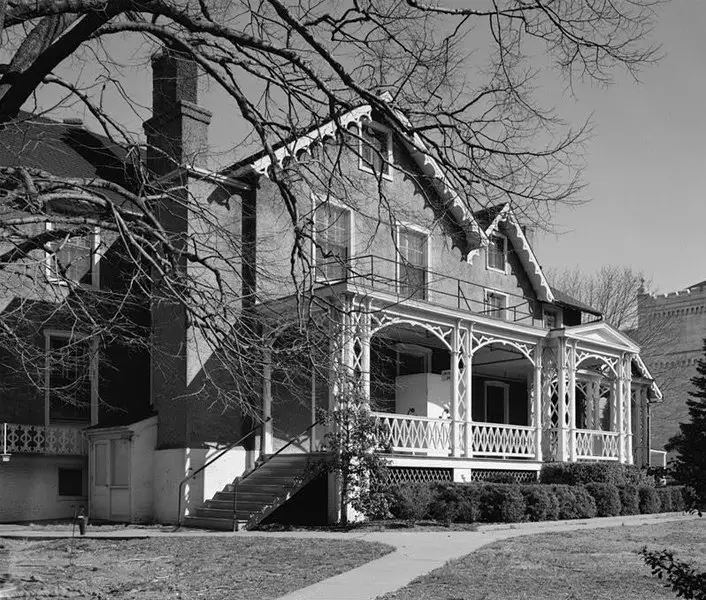
Soldiers Home Lincoln Cottage

The Underground Railroad

The Underground Railroad

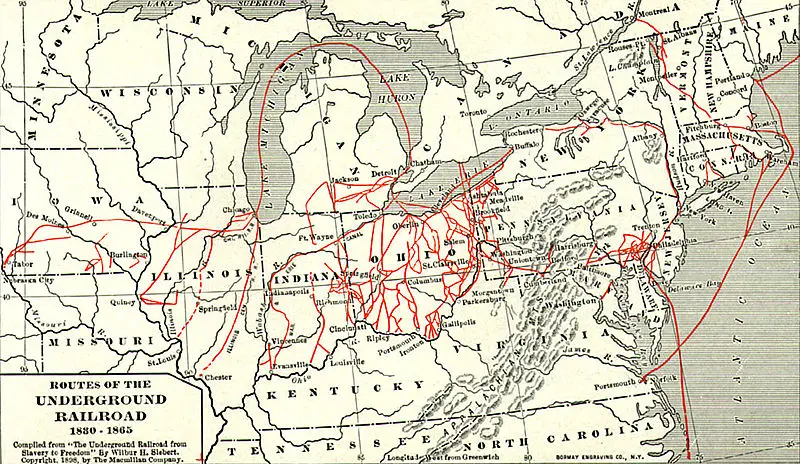
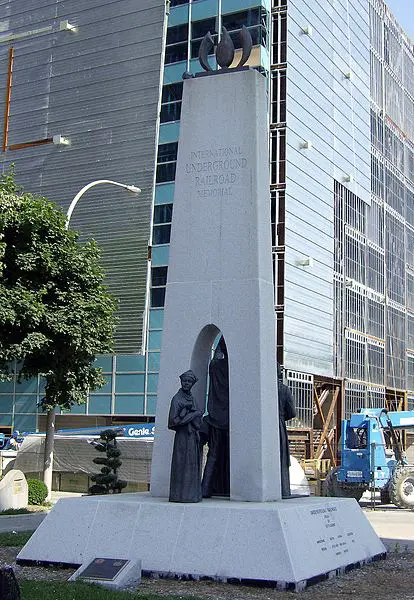
The Underground Railroad was a secret network of homes, roads, and businesses set up to help enslaved African Americans escape to freedom. Several memorials and museums remind us today of the Underground Railroad and the courage of all who participated in it.

Under Ground Rail Road Small

Fun Facts

National Underground Railroad Freedom Center Main Entrance

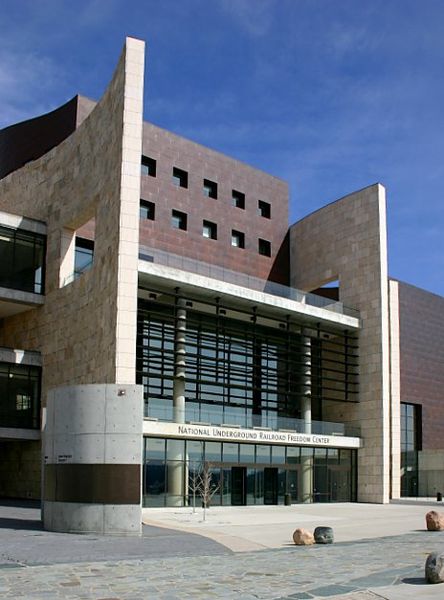
  • The National Underground Railroad Freedom Center opened in Cincinnati, Ohio in 2004. Cincinnati was an important stop on the Underground Railroad. Thousands of people crossed the Ohio River to freedom and many stayed in Cincinnati for a few days or even a few months before going further north.

    Under Ground Rail Road Monument Windsor

  • The museum features interactive exhibits, a library, a theater, and other displays all designed to encourage Americans to think about what freedom means, both in the past and today.

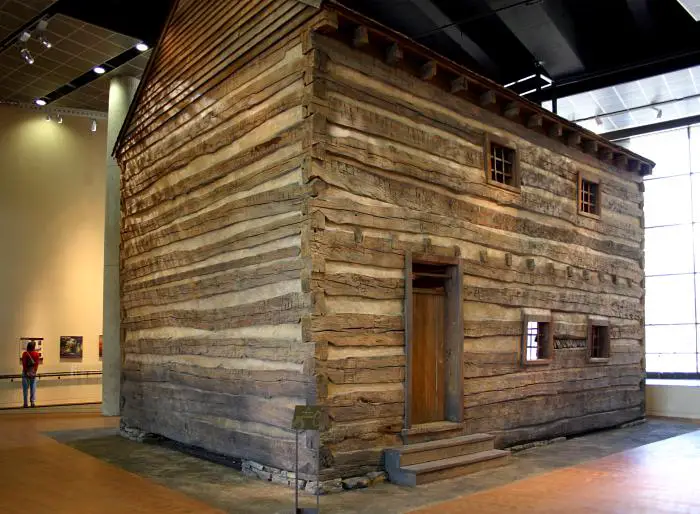
    Slave Pen Exterior

  • In the center of the museum is a 21 x 30 foot, two-story log building—a “slave pen,” as it was called. This prison was owned by Captain John Anderson, a Revolutionary War veteran and a slave trader. He used it to hold people until he took them to auction to be sold. Men were chained to a wall in the upstairs room, while women were kept on the first floor.
  • The first names of some of the people who were held in the jail are written on a wooden post.

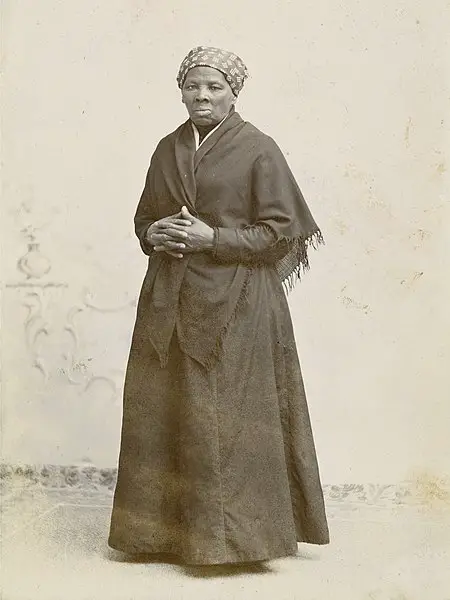
    Harriet Tubman

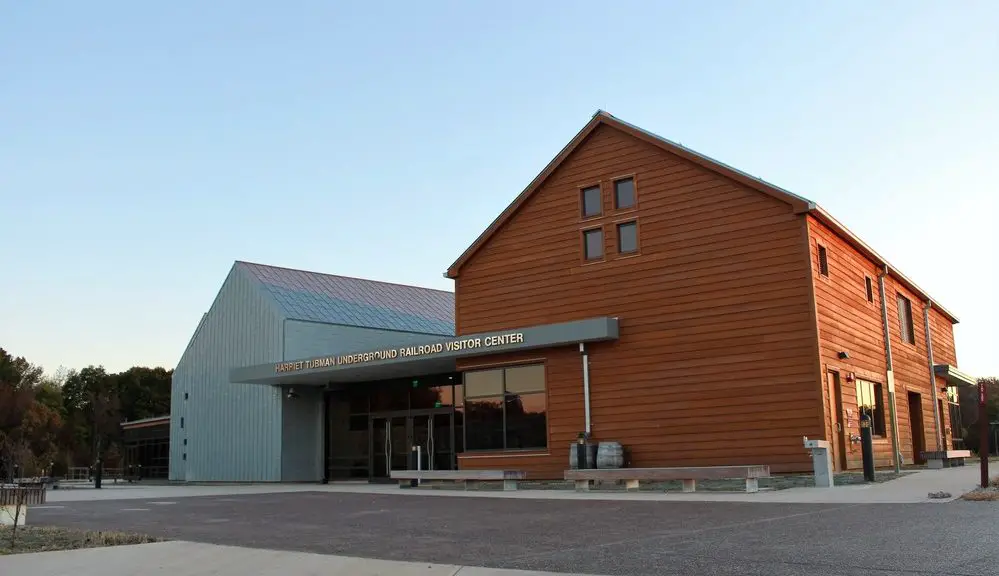
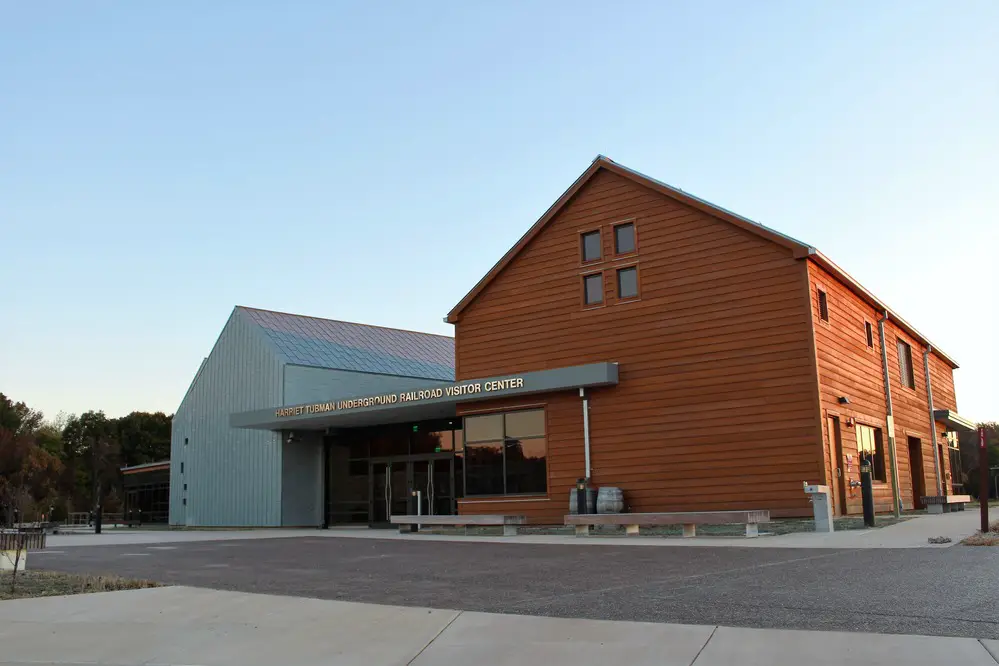
  • After Harriet Tubman escaped from slavery, she repeatedly made journeys to rescue other slaves and became one of the most well-known “underground railway conductors.” She risked her life to save more than 70 people. The Harriet Tubman Underground Railroad Park in Maryland honors her legacy and offers interactive exhibits about Tubman’s life.

    Harpiet Tubman Underground Railroad Visitor Center

  • Philadelphia, Pennsylvania had an active slave trade for many years, but it was also a city in which many people opposed slavery. The National Park Service has established a tour with numerous churches and homes that played a role in the Underground Railroad in Philadelphia.


Vocabulary

  1. Abolitionist: someone opposed to slavery
  2. Conductor: train leader


Questions and Answers

Question: Are there other memorials for the Underground Railroad?

Answer: Yes. The National Park Service has identified and preserved more than 600 sites connected to the Underground Railroad. Some locations include New York, Detroit, and Massachusetts.


Learn More

Discover more locations for the Underground Railroad.

Eleutherian College

Eleutherian College

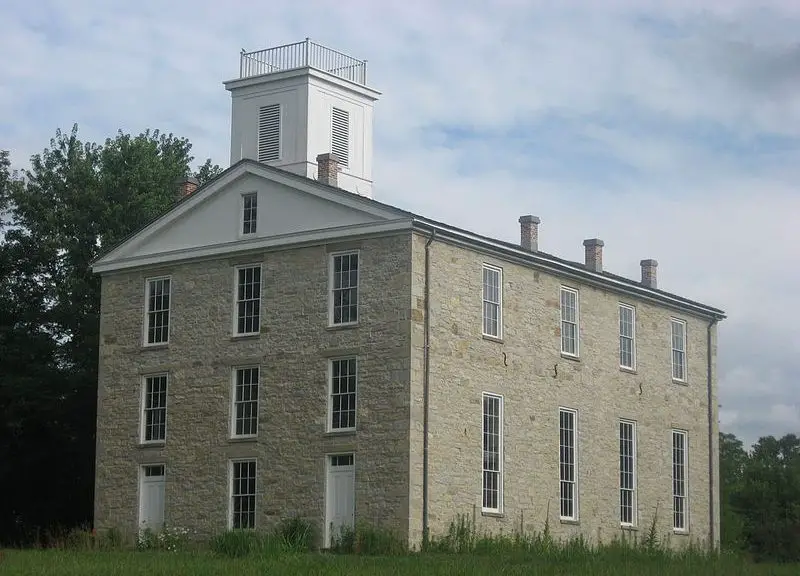
Eleutherian College From Northwest In Evening

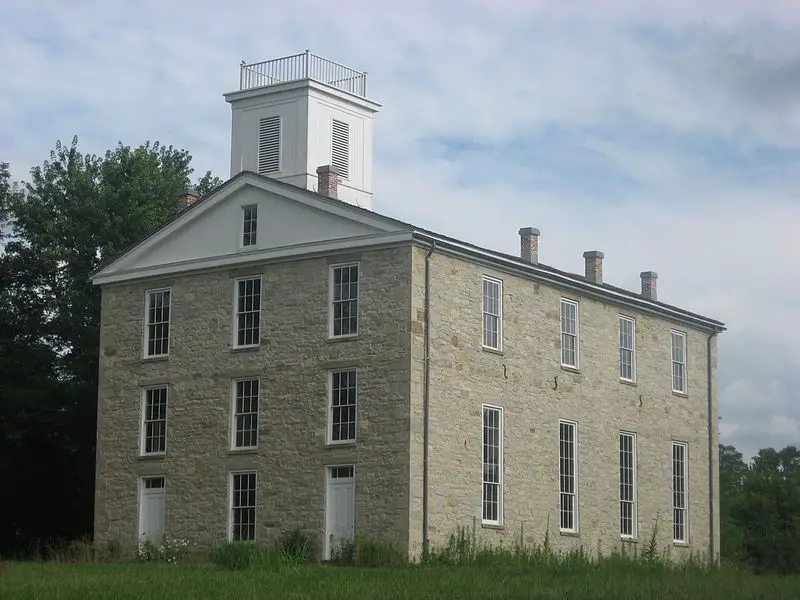
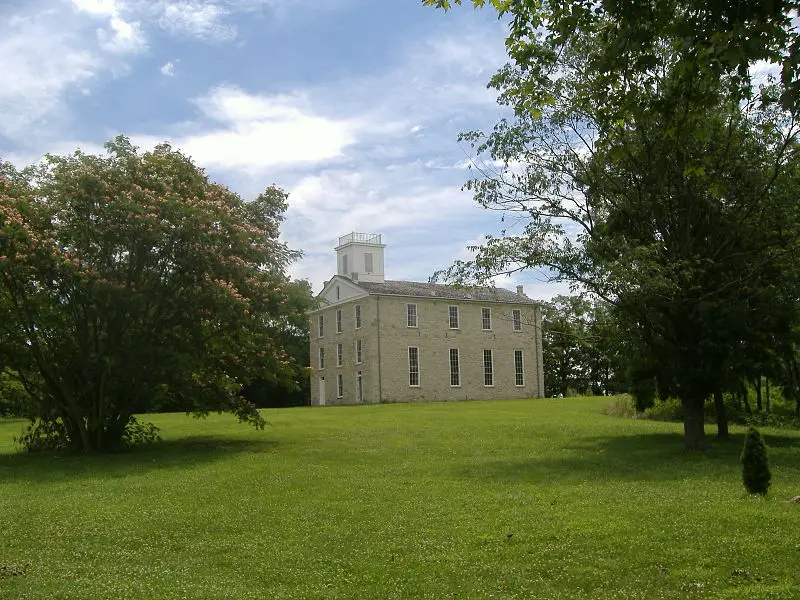
Reverend Thomas Craven strongly opposed slavery and also believed that all people, regardless of their gender or ethnicity, deserved an education. His vision was behind Eleutherian College.
 

Fun Facts

  • Reverend Craven was a traveling minister working in Lancaster, Illinois. Many anti-slavery Baptists lived in the area and shared his belief that slavery was wrong.
  • He introduced the idea of building a school that anyone could attend, including women and freed or fugitive slaves.

    Scontent

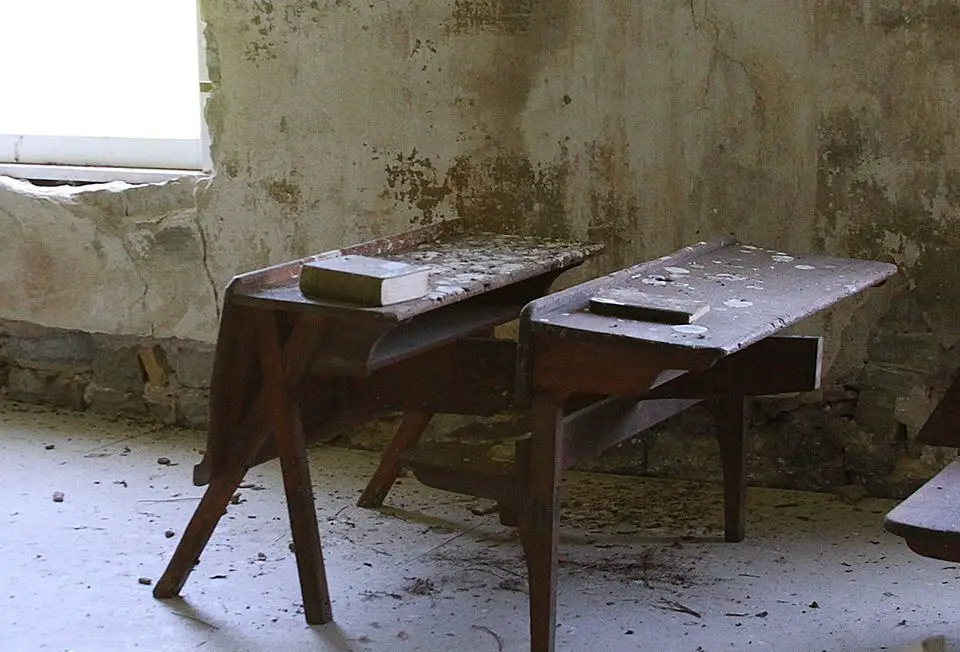
  • The Hoyt-Whipple family, along with other members of the community, supported the idea and organized a school, which opened in 1848. In the 1850s, the school was expanded to include a dormitory, a stone chapel, and a classroom. It also began offering college level classes.
  • The school was never very successful, despite the strong vision of its founders. Between 25 and 30 percent of its students were black in the school’s early days.

    Bell

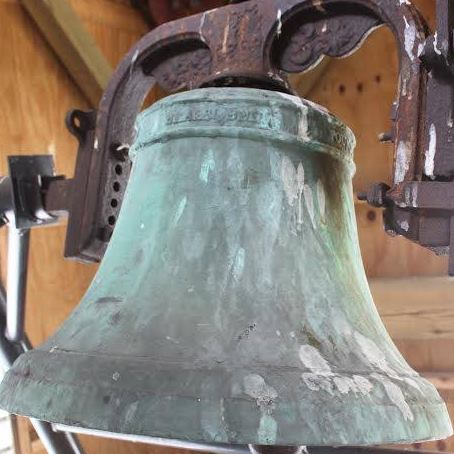
  • During the Civil War, the school was closed and the buildings were used for meetings and concerts.
  • After the war the college became a private high school. From 1887 to 1938, it was a public school.
  • Today the building is a museum.

    Eleutherian College

Vocabulary

  1. Fugitive: someone in hiding
  2. Abolitionist: someone who opposes slavery


Questions and Answers

Question: How did the school get its name?

Answer: The name came from the Greek word eleutheros, which means “freedom and equality.” Many people in Lancaster were abolitionists and the town played an important role in the Underground Railroad.


Learn More

Watch a video about the college.
Cadillac Ranch

Cadillac Ranch

Cadillac Ranch

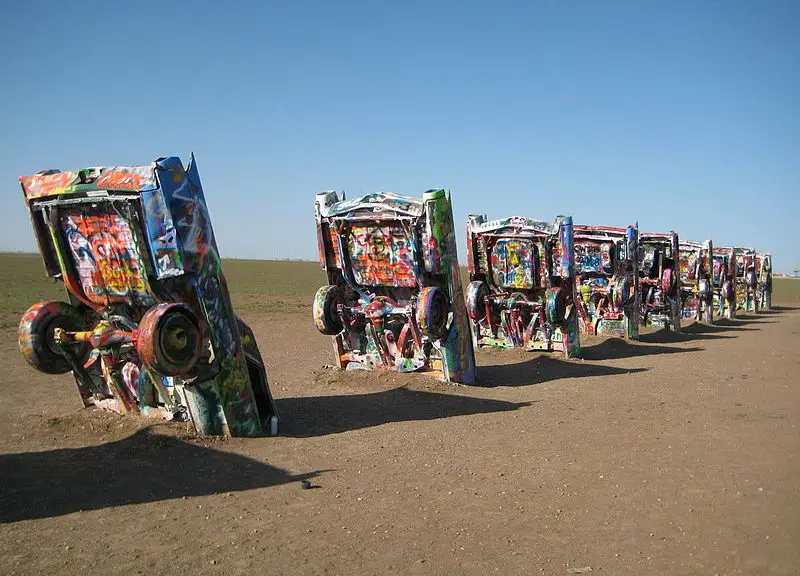
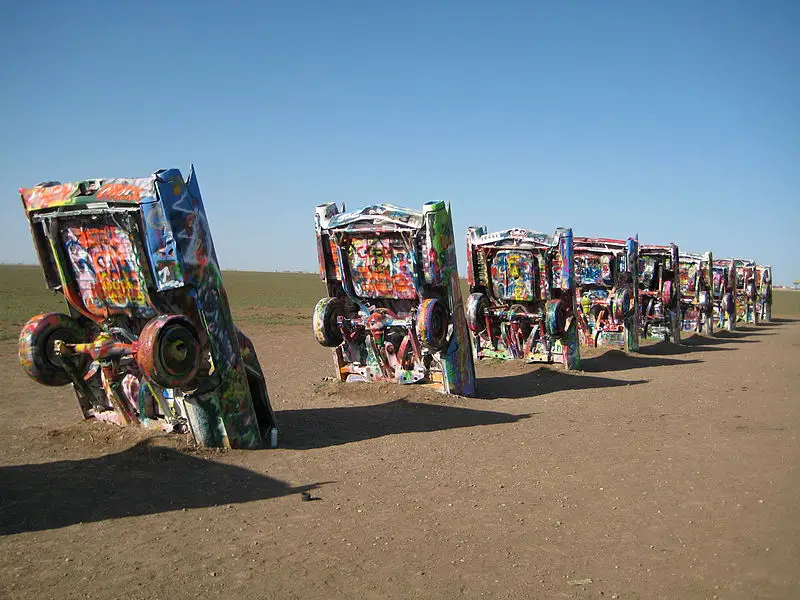
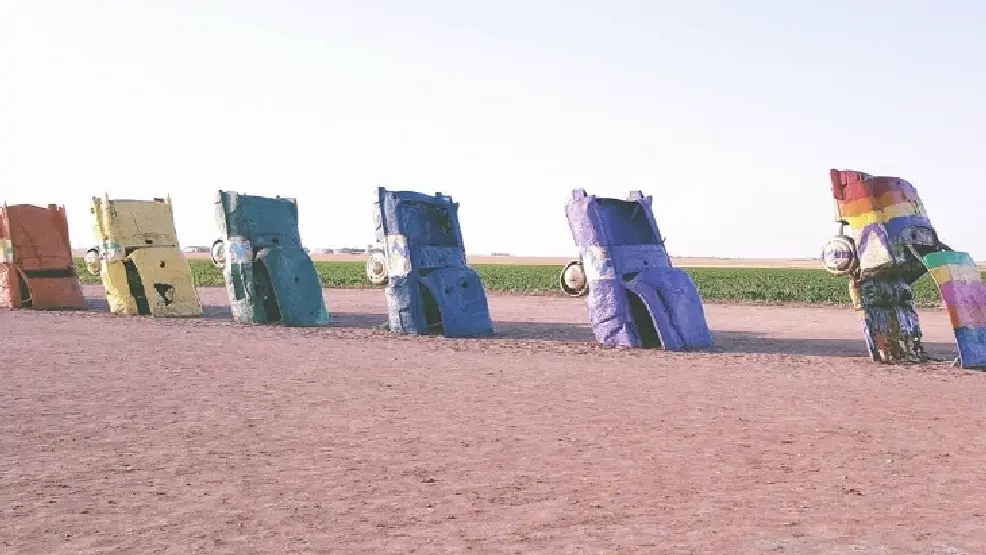
When you think of art, do you think of a sculpture in a park? Or maybe a painting in a museum? How about 10 cars lined up on a highway in Texas?


Fun Facts

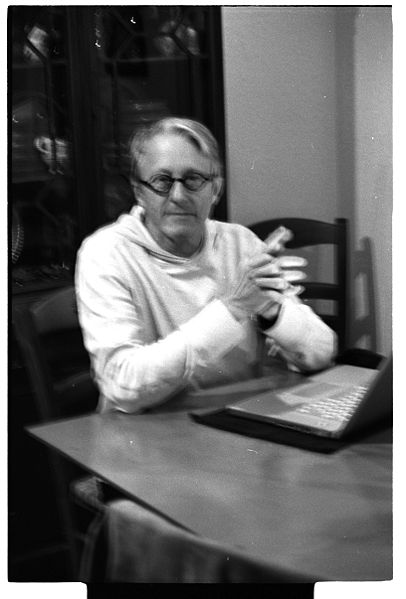
  • In the early 1970s, architects Chip Lord and Doug Michels, along with art student Hudson Marquez, discussed the idea of creating a monument to cars and tailfins.
    Chiplord

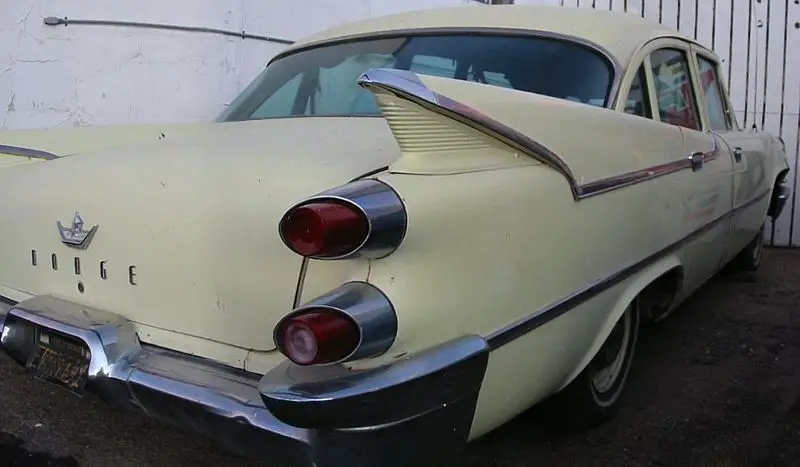
  • They’d seen a children’s book The Look of Cars, and became intrigued with the idea of documenting the popularity and later disappearance of tailfins on old cars.

    Dodge Coronet Fin

  • They contacted several millionaires asking for funding. Stanley Marsh 3 became their patron.
  • He funded Cadillac Ranch, which opened in 1974 in Amarillo, Texas.
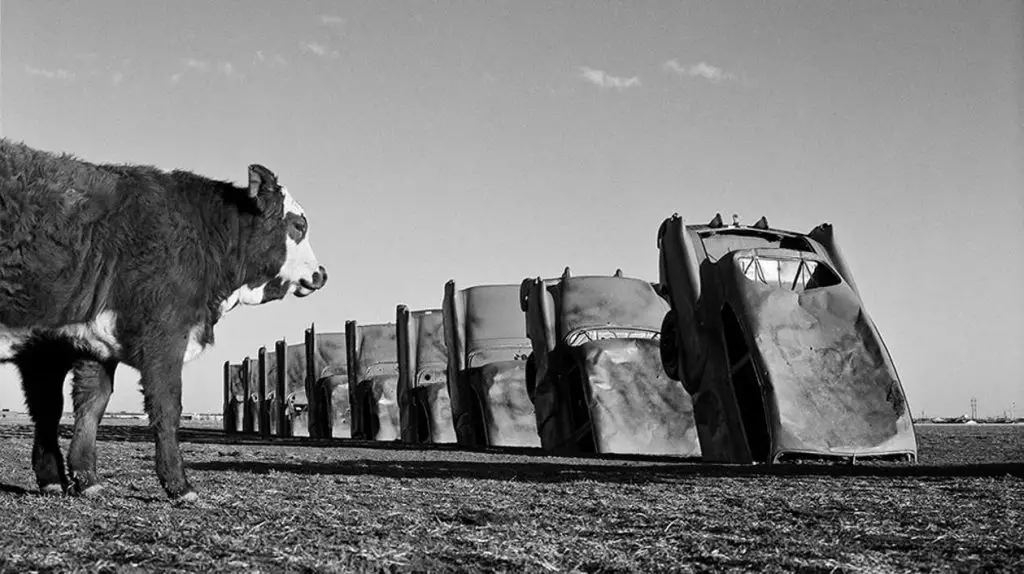
  • Ten Cadillacs were placed nose-first in a row in the ground. They were originally located in a wheat field, but later moved to a cow pasture on I-40. Stanley owned both pieces of land.
  • The cars were all used and were made between 1949 and 1963. Some of them were still running, some were junk cars.
  • People can visit Cadillac Ranch via a frontage road and through a gate onto the private property.
  • The artists actively encourage people to paint the cars with graffiti. Over the years, the cars have been many colors. They were painted white once for a commercial and pink for Stanley’s wife Wendy’s birthday.

    Cadillac Pride

  • They were all painted black after Doug Michel’s death. In June, 2020, they were painted black again by activists angered over George Floyd’s death. The words “Black Lives Matter” were painted on the cars.

    Mcspadden Cow

Vocabulary

  1. Tailfin: a recognizable upswept design on the rear of some old cars
  2. Activist: someone working for a cause


Questions and Answers

Question: Is Cadillac Ranch well known?

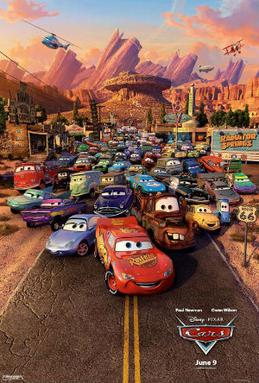
Answer: Cadillac Ranch has been featured in several music videos and is the title of a song from Bruce Springsteen. It was referenced in Pixar’s 2006 movie Cars.

Cars

Learn More

See images of Cadillac Ranch.

Voorlezer’s House

Voorlezer’s House

Vorleezer House

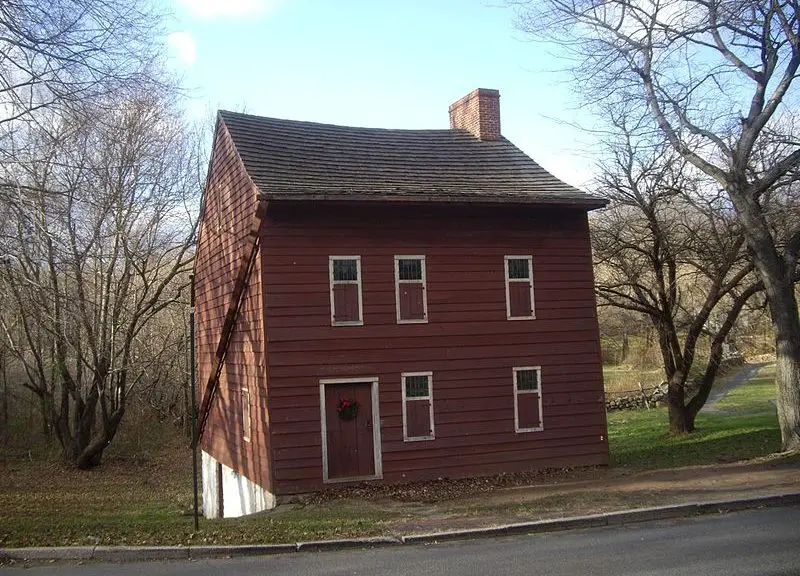
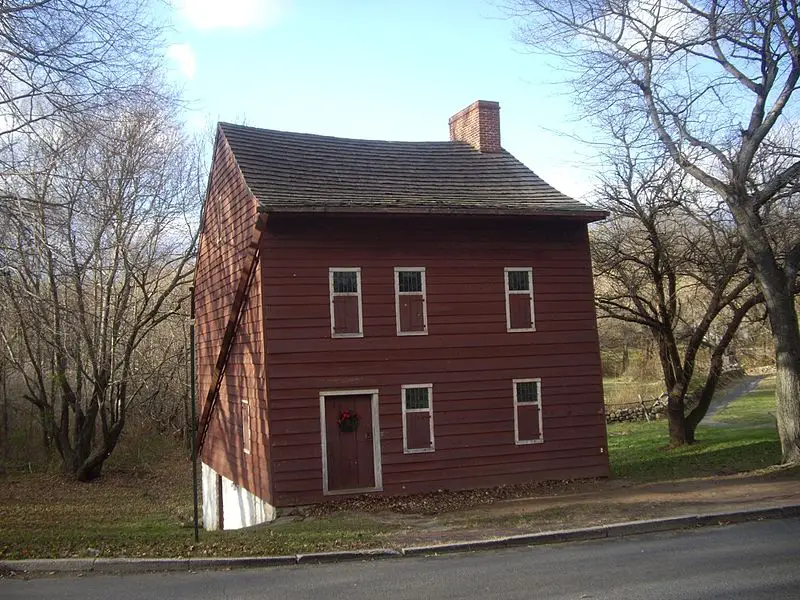
Built in 1696, the Voorlezer’s House in Historic Richmond Town, Staten Island, New York is the oldest known school house in America.

Fun Facts

  • Voorlezer means “fore-reader” or “one who reads to others” in Dutch. Voorlezer was an important role in the Netherlands and in the Dutch New England colonies. A Voorlezer acted as a pastor’s apprentice and could lead religious services or teach school when no pastor was present.
  • The Voorlezer house is a simple clapboard house with a rough stone foundation, hand-hewn boards, and a huge stone and brick fireplace. Here children met for school. The building was also used as a meeting place for the Dutch Reformed Congregation.
  • It later became a private residence, a tavern, and a hotel. It was almost demolished in 1936, but the Staten Island Historical Society saved it and restored it as a museum, which is still open today.
  • When the colonists first came to America, formal education was unusual. Most children were educated at home by their parents or by private tutors. Early schools were formed to teach colonial children Latin and Puritan values.

    King James Version Bible

  • In 1635, the Boston Latin School was opened in Boston, Massachusetts. This public school prepared wealthy boys for college and life. Massachusetts was at the forefront of the early school movement.

    Boston Latin School Logo

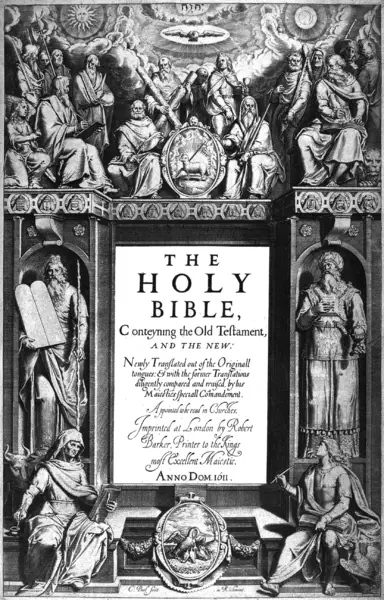
  • Books were scarce on the frontier. In rural America, the Bible was the only book many families owned. Children learned to read by learning Bible stories.

    Octagonal Schoolhouse In New York

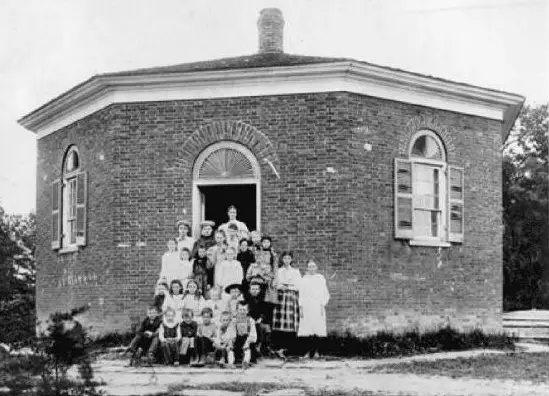
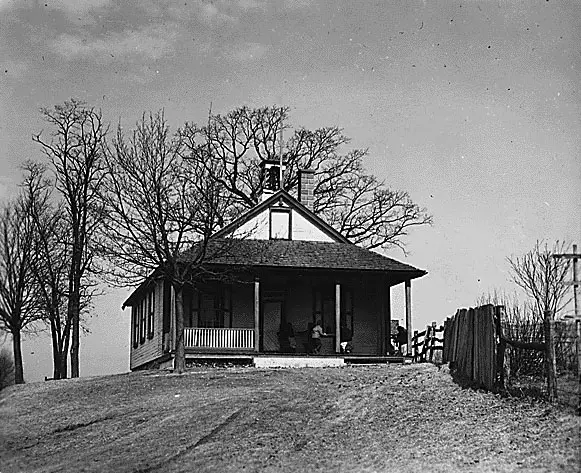
  • The one room school house appeared across the country. In these “common” schools, all ages met together to learn basic academics, such as reading, writing, and mathematics. These schools were not free. Parents paid tuition by feeding and lodging the teacher or offering some other compensation.

    Amish Schoolhouse

  • One room schoolhouses became symbols of community and were often one of the first things local citizens built. The buildings were used for school, government, and church gatherings.


Vocabulary

  1. Congregation: a group meeting for religious purposes
  2. Compensation: payment


Questions and Answers

Question: How has education changed since colonial America?

Answer: Early schools were fairly rigorous. Students were expected to know Latin and usually French. Students read from classical works of literature going back to the Greeks.

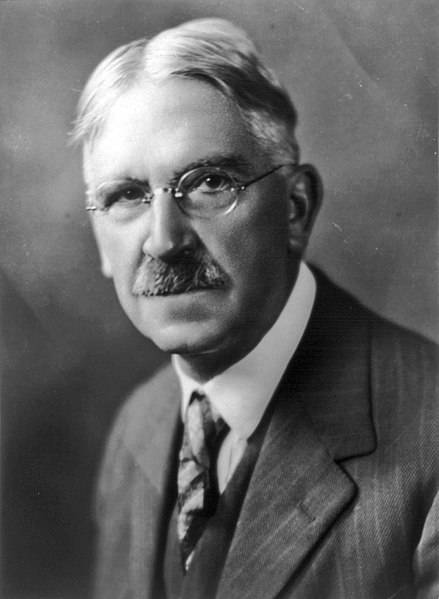
Frontier schools taught basic academics and usually had limited resources. During the1920s and 1930s, the Progressive Movement by John Dewey changed everything about how children are taught.

John Dewey

Learn More

Read more about the Progressive Movement and the history of American education.

Mayer Awakening

Yellowstone National Park

Yellowstone National Park

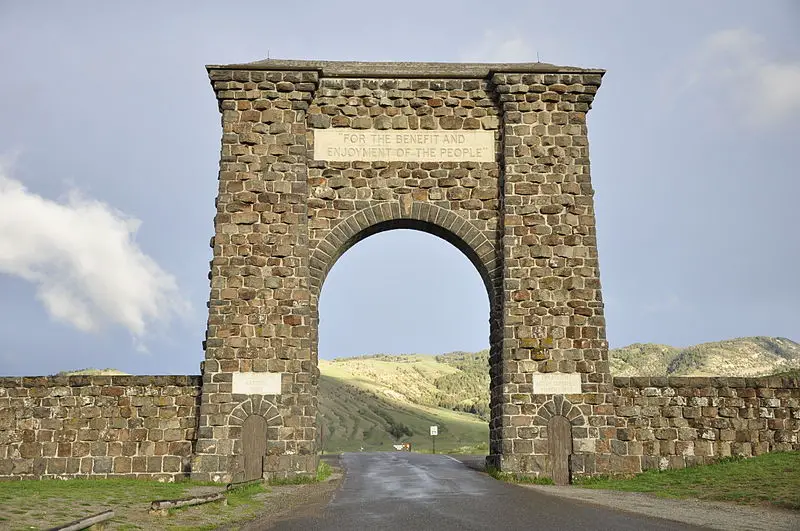
Yellowstone National Park was the first national park created in the United States; many believe it is also the world’s first national park.

Yellowstone North Gate

Fun Facts

  • Yellowstone National Park covers 3,468.4 square miles over portions of Wyoming, Idaho, and Montana.

    Yellow Stone Fall

  • For more than 11,000 years, indigenous people lived and hunted here.
  • When European Americans arrived in 1805 with the Lewis and Clark expedition, the Crow, Nez Perce, and Shoshone people lived here.
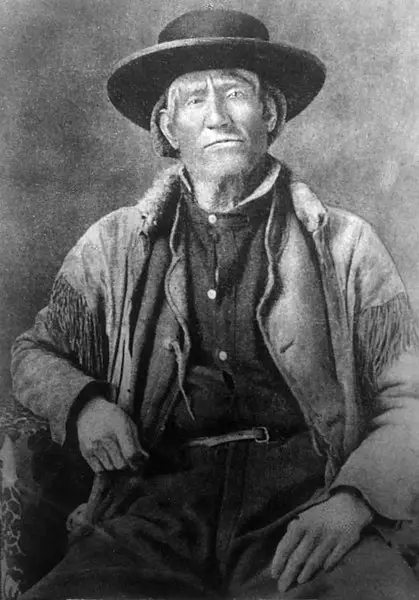
  • In 1856, trapper Jim Bridger explored the area and wrote that there were boiling springs, spouting water, and mountains of glass and yellow rock. Since he had a tendency to exaggerate, people didn’t believe him.

    Jim Bridger

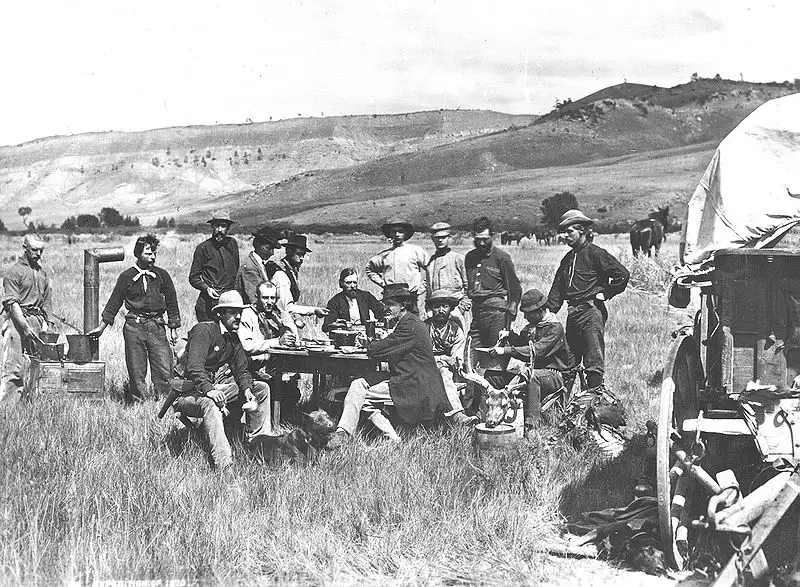
  • Soon after, naturalist Ferninand V. Hayden made an exploration attempt but failed because of an unexpected storm. He tried again, along with others, and began advocating that the area be made a national park to protect it.

    Hayden Wyoming

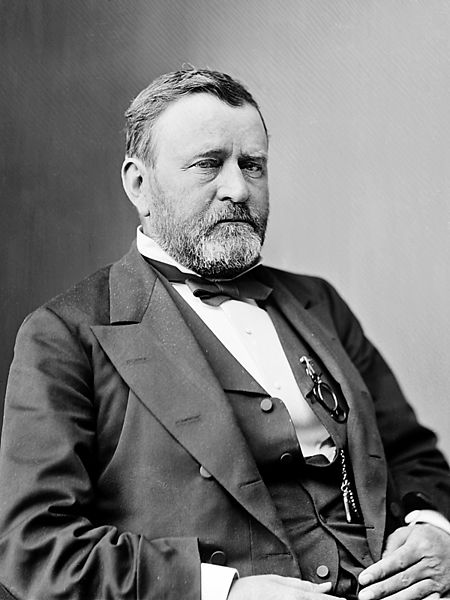
  • President Ulysses S. Grant asked Congress to designate the area a park in 1872. It gets its name from the yellow rock found there.

    Ulysses S Grant

  • Yellowstone Lake, one of the largest high-altitude lakes in North America sits over Yellowstone Caldera, the largest super volcano in North America. The volcano is dormant, but it produces volcanic activity deep under the ground.

    Panorama Of West Thumb Area Of Yellowstone Lake

  • The heat from this volcano causes geysers and other thermal activity. Half the world’s geysers are found here—more than 1,283—with at least 465 active geysers each year. In total, there are at least 10,000 geo-thermal features in Yellowstone National Park.
  • Old Faithful is the most well-known geyser, shooting hot water high in the air at regular intervals.
  • Yellowstone National Park is home to at least 60 mammal species, including grizzly bears, black bears, Canadian lynxes, coyotes, mule deer, elk, and many others.


Vocabulary

  1. Naturalist: someone who studies nature
  2. Geo-thermal: hot water caused by underground volcanic activity


Learn More

Visit the park’s official site.

Yosemite National Park

Yosemite National Park

In the Sierra Nevada Mountains of Central California lies Yosemite National Park, an awe-inspiring wilderness area the size of Rhode Island.

Yosemite Valley

Fun Facts

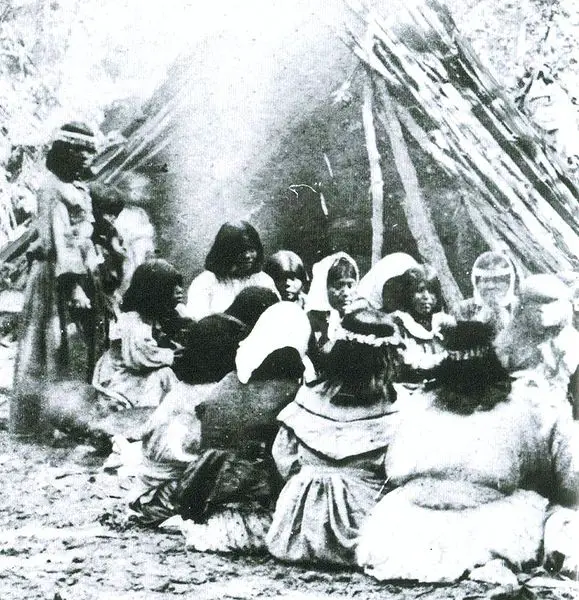
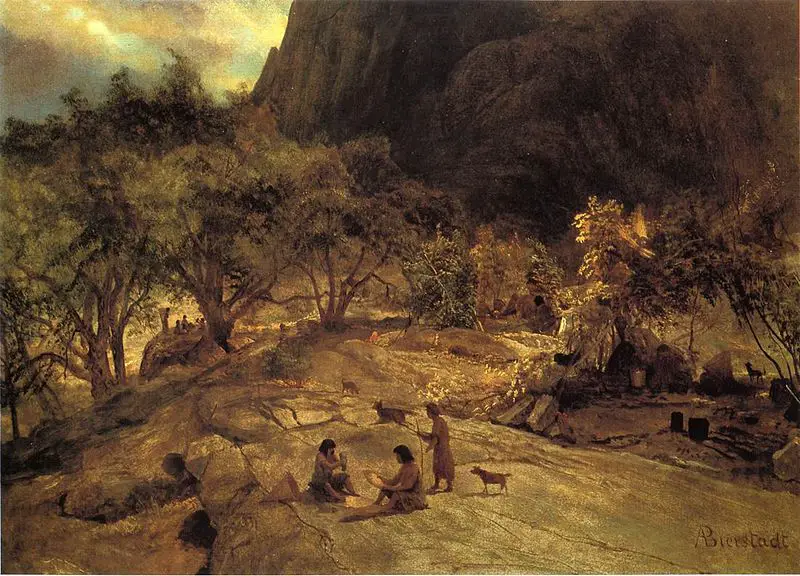
  • The area that is now Yosemite National Park was the home of indigenous people for at least 3,000 years. Other groups have probably visited the area for 8,000 to 10,000 years.

    Miwok Paiute Ceremony

  • The Ahwannechee, which means “dwellers in Ahwanee” called the area home. They traded with other tribes and ate acorns, seeds, plants, berries, salmon, and deer.

    Bierstadt Albert Mariposa Indian Encampment Yosemite Valley California

  • During the mid-1800s, white people came for the first time during the Gold Rush. Later, more people came as tourists to see the wild beauty of the area.

    The Dead Giant

  • In 1864, Galen Clark persuaded President Abraham Lincoln to pass the Yosemite Grant, which offered some protection to the area from overuse and development.
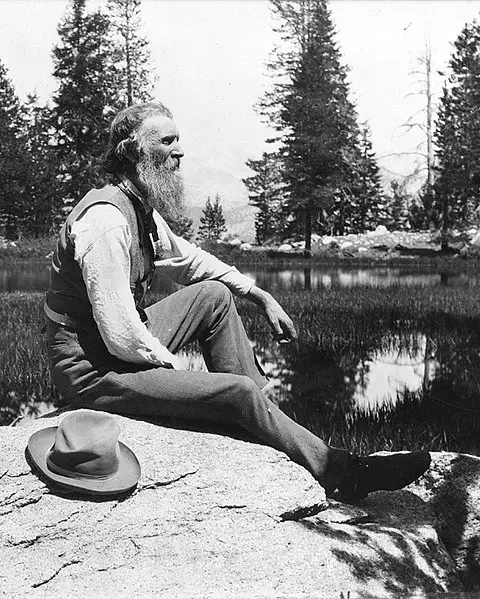
  • Settlers continued to overuse the land for grazing livestock. The naturalist and conservationist John Muir was very concerned that the area’s resources would be destroyed.

    John Muir

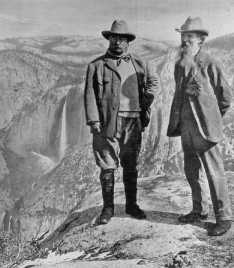
  • In 1903, he invited President Theodore Roosevelt on a three-day camping trip to the area. He asked President Roosevelt to transfer the land from state to federal ownership and protect it permanently. In 1906, President Roosevelt made the area a national park with national protection. This event led to the development of a national parks system in 1916.

    Roosvelt Muir Front

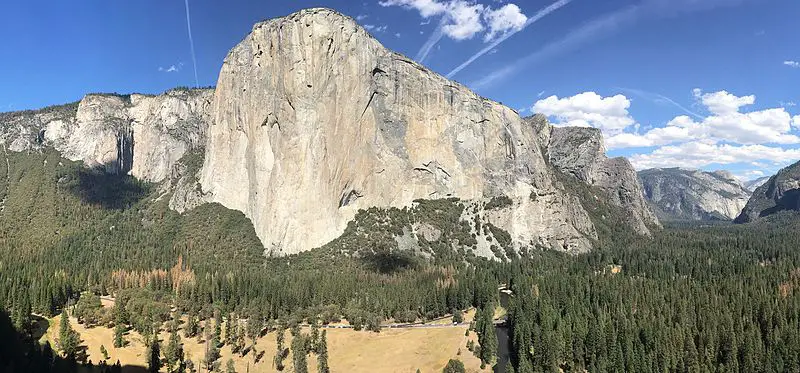
  • Yosemite National Park has an area of 748,436 acres. It includes glaciers, giant sequoia forests, lakes, granite cliffs, meadows, and waterfalls. Ribbon Falls drops 1,612 feet.
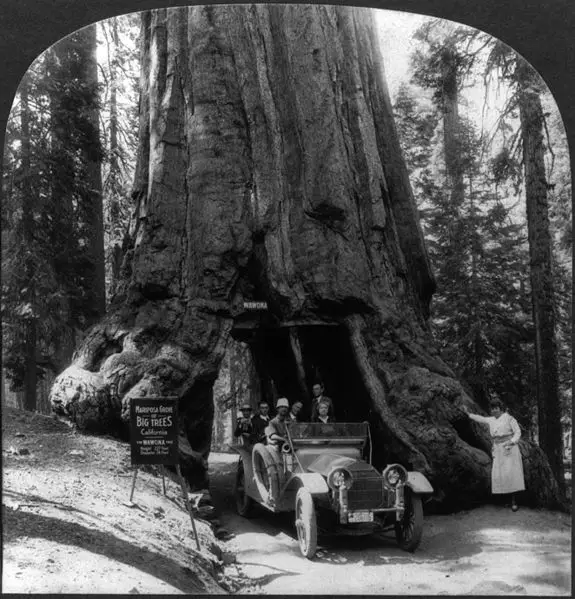
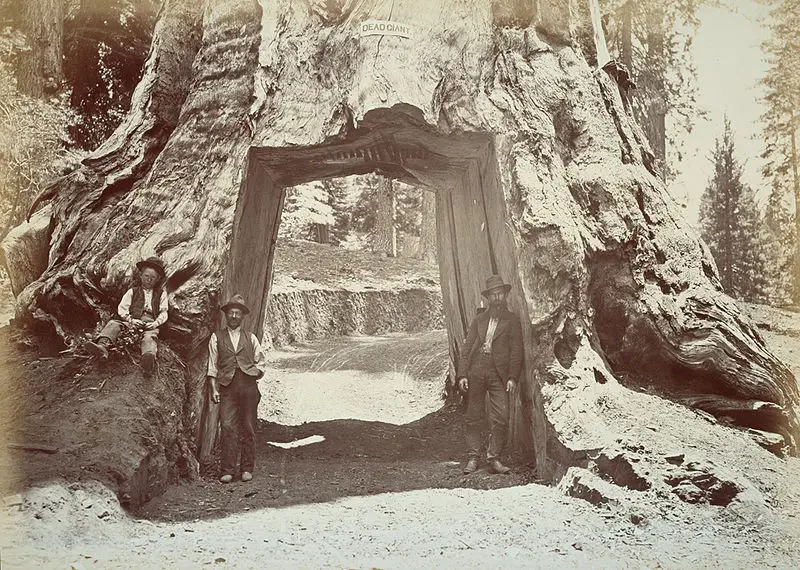
  • The Wawona Tree was a 2,300-year-old tree that was 227 feet tall and 90 feet in circumference. In 1881, workers cut a tunnel through the tree wide enough for a carriage or car to pass through. The tree fell in 1969 after a heavy snowstorm.

    Wawona Tree

Vocabulary

  1. Indigenous: original to an area
  2. Granite: a type of very hard rock

    Oshaughnessy Dam

Questions and Answers

Question: What types of plants and animals are found in Yosemite National Park?

Answer: Yosemite National Park, which has an altitude ranging from 2,127 feet to 13,114 feet above sea level, contains over 3,500 species of plants and many animals, such as mule deer, black bears, coyotes, cougars, bobcats, skinks, and birds. Brown bears no longer live in these mountains and several other animals are protected.


Learn More

Visit the park’s official website.

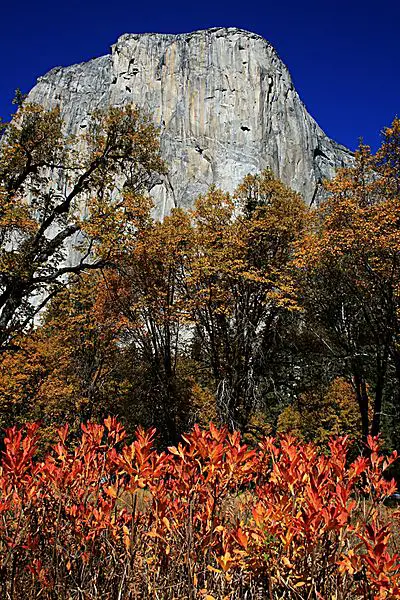
El Capitan At Fall

Hinchliffe Stadium

Hinchliffe Stadium

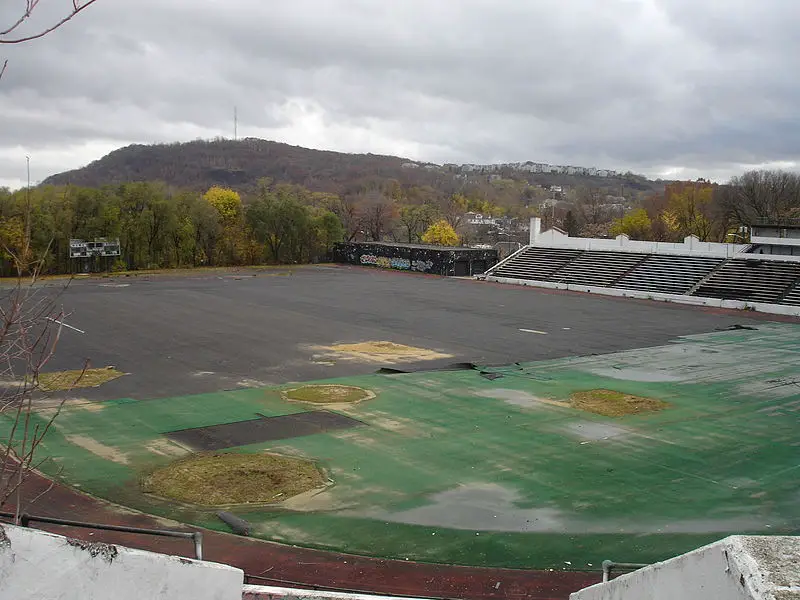
Hinchliffe Field

Hinchliffe Stadium is a historic baseball stadium because it was the home of the New York Black Yankees of the Negro League baseball during the Jim Crow era of segregation. It was a thriving stadium for more than 50 years, but is crumbling today. Efforts to restore it have been slow.

Black Yankees

Negro League World Series

Fun Facts

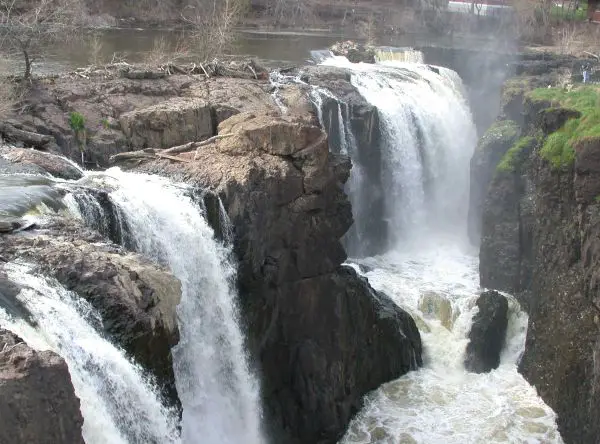
  • The 10,000 seat stadium sits above the National Historic Landmark of Great Falls in the historic district of Paterson, New Jersey. Paterson was the first planned industrial settlement in the country and goes back to 1792.

    Great Falls Passaic River

  • During the early 20thcentury, baseball was a very popular sport. A “stadium movement” swept the nation and many communities built baseball fields.
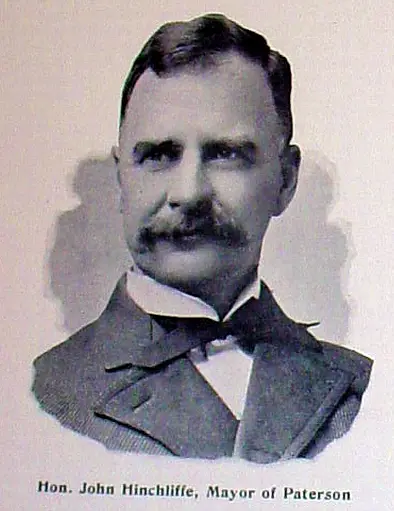
  • Mayor John Hinchliffe proposed and oversaw the stadium’s construction. The mayor had owned a brewery, which was closed during Prohibition. The stadium construction gave many men jobs after they were laid off from mills during the Great Depression.

    John Hinchliffe

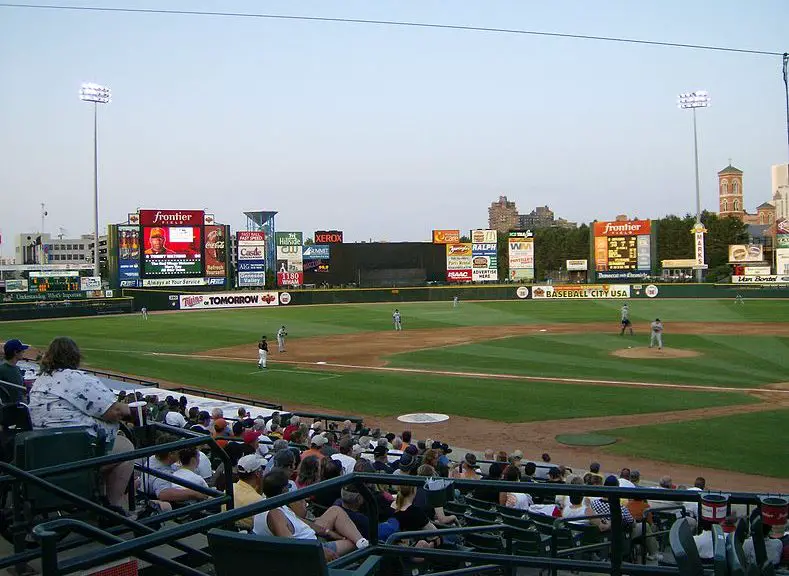
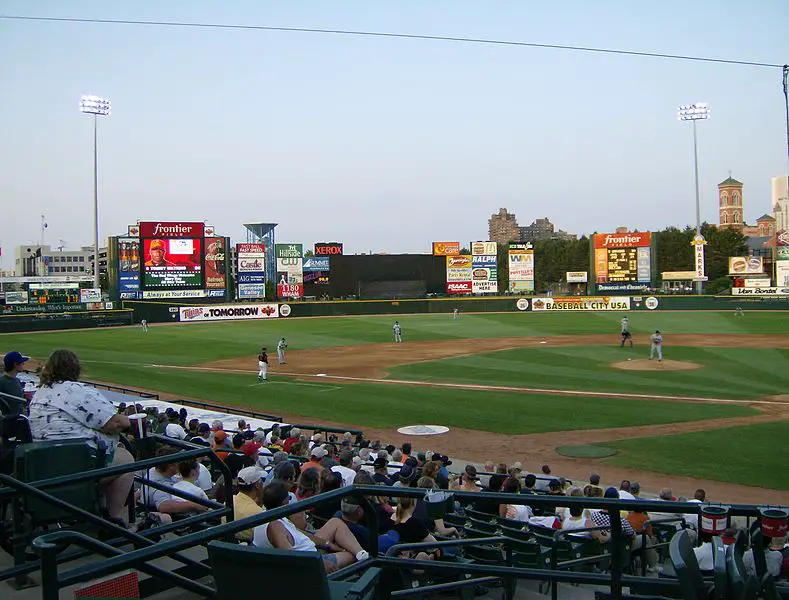
  • From 1932 to 1945, the New York Black Yankees called this stadium their home. Some of the best baseball players in the country played here. After World War II, the team moved to the Red Wing Stadium in Rochester, New York.

    Frontier Field

  • Later, the stadium hosted boxing, auto racing, football, and even concerts. Duke Ellington performed one of his last concerts here.
  • The school district owned the stadium in later years. It needed expensive repairs, which the school district couldn’t afford to make. Several attempts to raise money and renovate it have been somewhat successful, but the work isn’t complete yet.


Vocabulary

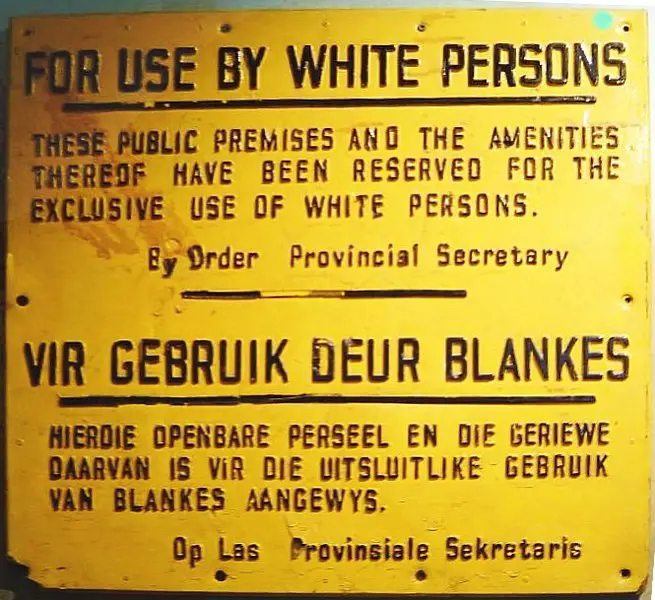
  1. Jim Crow: a series of laws passed in the late 1800s through early 1900s that made segregation legal

    Apartheid Sign English Afrikaans

  2. Segregation: the practice of separating African Americans and whites, including in restaurants, buses, and schools
  3. Industrial settlement: an industrial area that includes factories, mills, etc. Paterson is known as the birthplace of the industrial age in America because of its many mills.


Questions and Answers

Question: Why did the school district own the stadium?

Answer: In addition to hosting one of the best baseball teams in the country, the stadium was shared by two high schools from the time it opened until the 1960s.


Learn More

Learn how to help save the stadium.

Wentworth by the Sea

Wentworth by the Sea

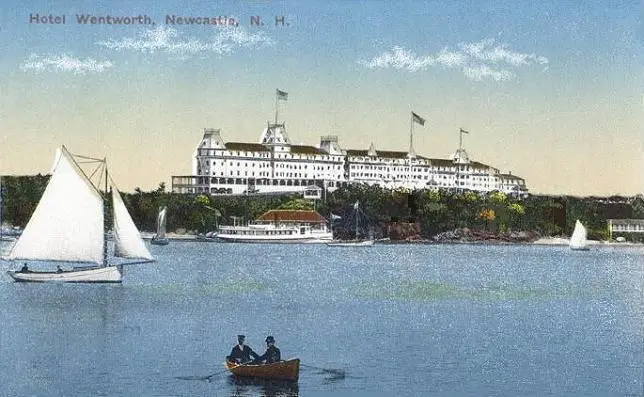
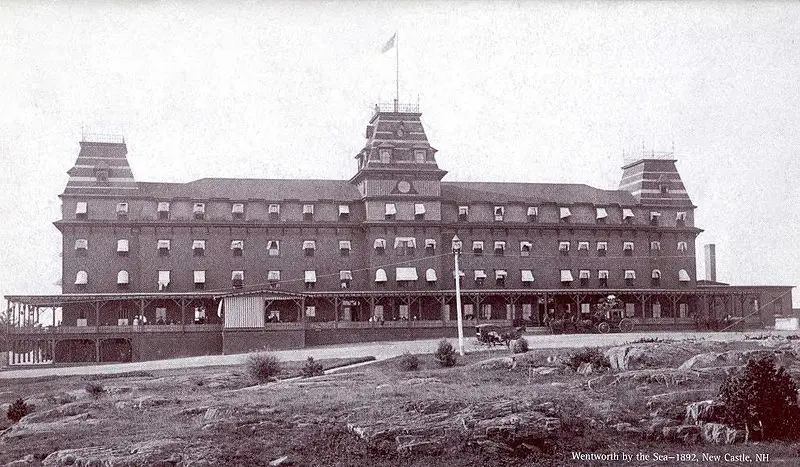
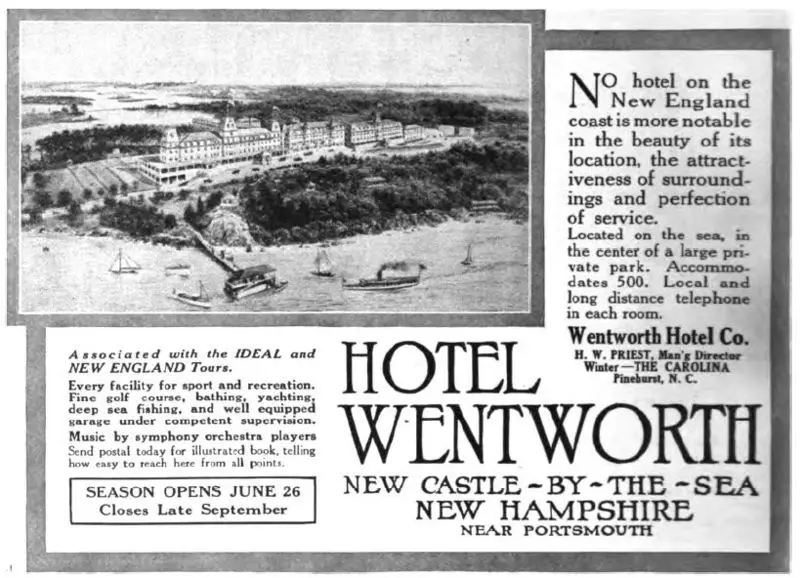
Wentworth by the Sea is a lovely Victorian hotel that was once featured as a haunted hotel in a movie. For years, it sat forlornly on a bluff overlooking the Atlantic Ocean in New Hampshire and was almost demolished. Today it’s a thriving, beautiful hotel once again.

Hotel Wentworth

Fun Facts

  • Wentworth by the Sea is the last standing coastal hotel from the Gilded Age.
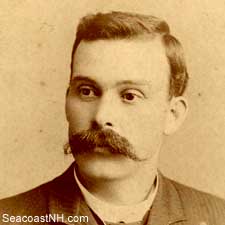
  • Built in 1874 by Daniel Chase, it was a popular destination for the wealthy for many years.

    Charles

  • Frank Jones purchased the hotel in 1879 and expanded it.
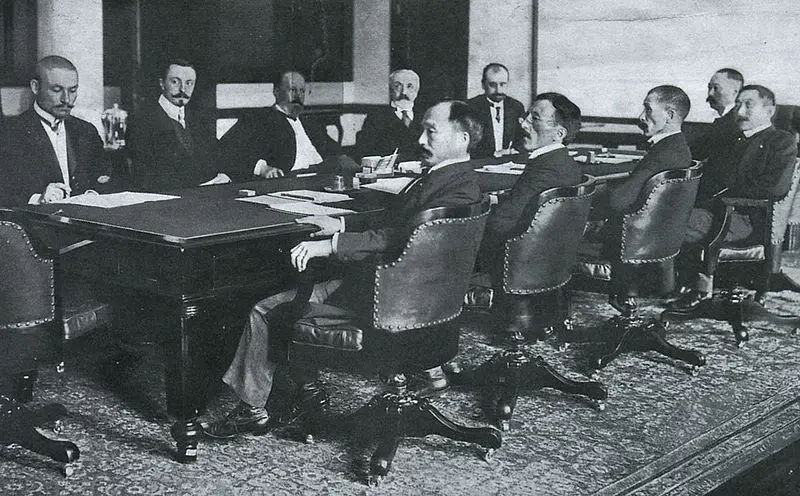
  • The hotel was the location of the signing of the Treaty of Portsmouth in 1905. This treaty brought Japanese and Russian delegates together to end the Russo Japanese War. President Theodore Roosevelt won a Nobel Peace Prize for his role in the peace talks, and the delegates stayed at the hotel free of charge.

    Treaty Of Portsmouth

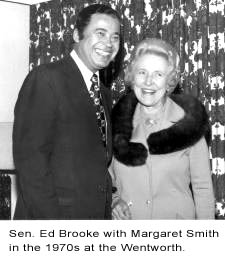
  • Harry Beckwith purchased the hotel in 1920; Margaret and James Barker Smith purchased it in 1946 for only $200,000.
  • Emerson and Jane Reed were the first African American couple to eat in the desegregated dining room on July 4, 1964.

    Brook

  • The hotel fell into disrepair during the latter part of the 20thcentury as people’s travel tastes changed. Only 4 acres remained of the hotel’s original 256 acre site. It closed in 1982 and was scheduled to be demolished in 1995.
  • Fortunately, it was featured on the History Channel and gained the attention of the National Trust for Historic Preservation. In 1995, it was the setting for the hotel in the movie

    Wentworth By The Sea New Castle

  • In 1997, it was purchased by Ocean Properties, renovated, and reopened in 1999. Today the hotel has 161 guestrooms and suites, swimming pools, restaurants, and historic gardens.

Vocabulary

  1. Forlorn: neglected, sad
  2. Demolish: to destroy
  3. Delegate: political leader appointed to represent a country


Questions and Answers

Question: What is the Gilded Age?

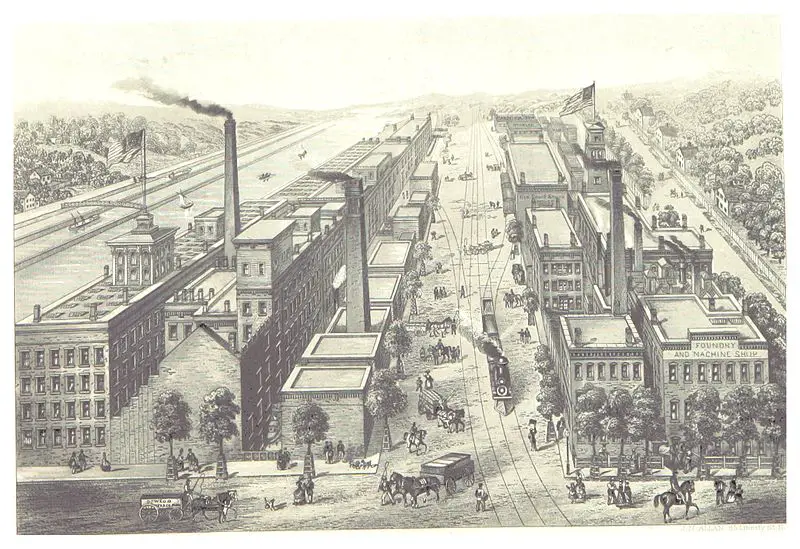
Answer: The Gilded Age was a time of rapid growth and economic prosperity in the Northeast and Western United States. Men built their fortunes on steel, railroads, and automobiles, and families like the Rockefellers and the Vanderbilts built huge mansions.

The Gilded Age lasted from the 1870s to about 1900. During this time, other parts of the United States, such as the South, experienced hardship and poverty. Poor immigrants from Europe did not share in the wealthy’s privilege.

Oswego Starch Factory

Learn More

Watch a video to learn more about the Gilded Age.

Hotel Wentworth Ad

Golden Gate Bridge

Golden Gate Bridge

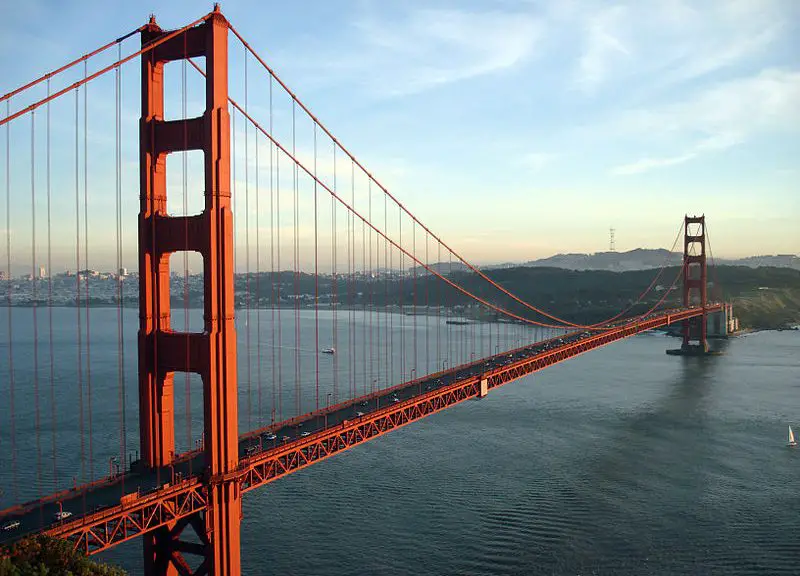
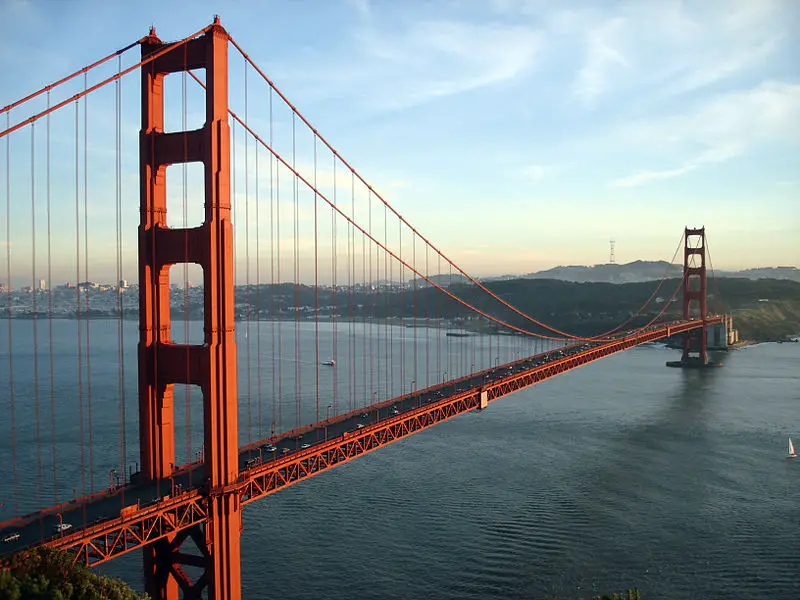
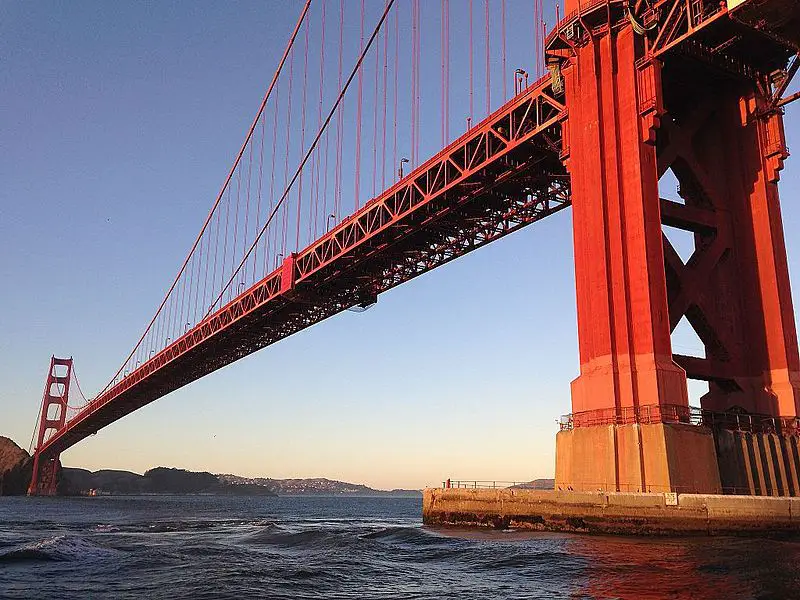
The Golden Gate, a strait that separates San Francisco, California from Marin County, links the Pacific Ocean and the San Francisco Bay. From 1820 to 1937, the only way to cross this water was on a ferry. The Golden Gate Bridge offered another option.

Golden Gate Bridge

Fun Facts

  • `During the mid-1800s, California boomed with gold mining and agriculture. People needed a way to get from Marin County to San Francisco.
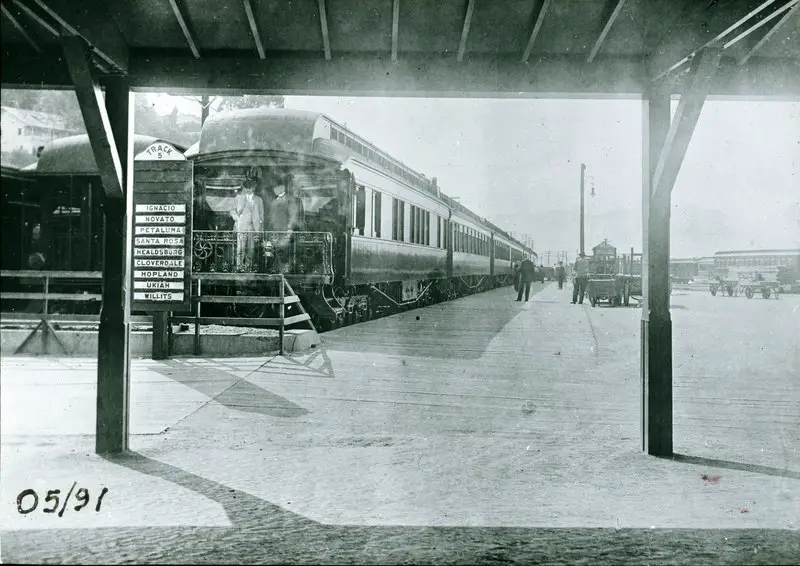
  • The Sausalito Land and Ferry Company opened a ferry operation in 1867 to take train passengers across the strait. By 1920 this company was the largest ferry operation in the world.

    Train Station

  • Ferries began taking cars across the strait at a cost of $1.00 per vehicle. The trip took about 20 minutes.
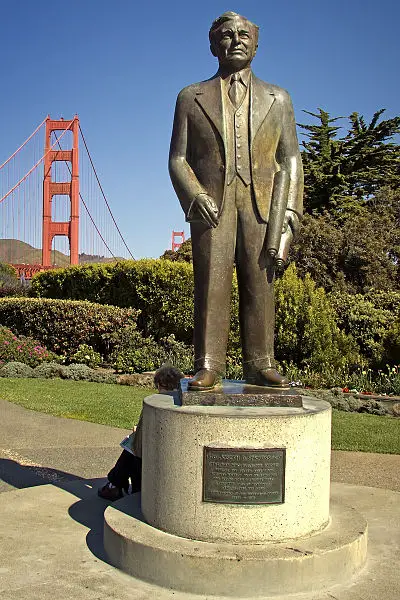
  • In 1917, engineer Joseph Strauss designed a bridge to span the strait, which would eliminate the need for ferries.

    Joseph Strauss Memorial

  • Many people thought a bridge was a terrible idea. Experts warned that it wouldn’t be safe because of the high winds, fog, and turbulent water in the strait. The Navy feared that a collision with the bridge would block the harbor. The Southern Pacific Railroad, which owned the ferries by that time, knew that the bridge would destroy their business. They filed lawsuits to stop the bridge’s construction.
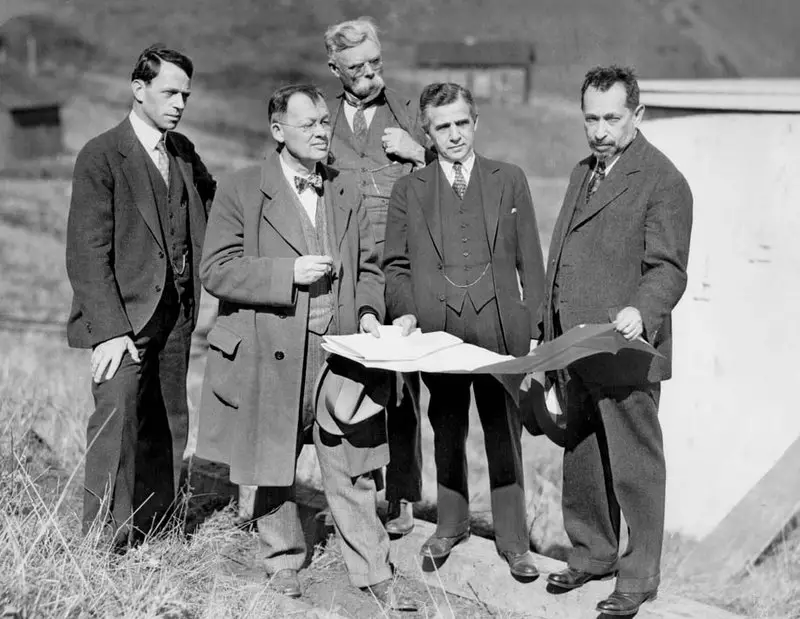
  • After 10 years of trying to gain support, Strauss was finally able to begin planning the bridge. Engineers decided that it must be a suspension bridge, which Strauss had no experience with. Officials hired Charles Alton Ellis as the principal engineer. Ellis was a Greek scholar and mathematician.

    Crop Subsampling

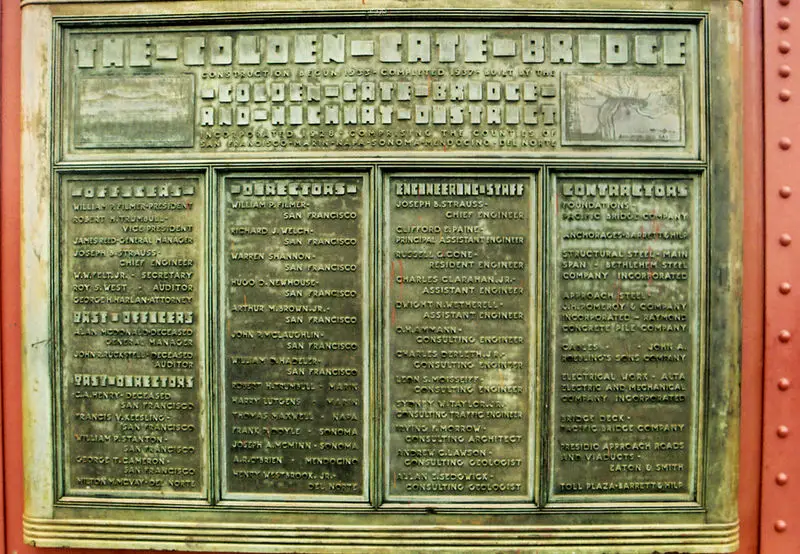
  • Irving Morrow was hired to design the streetlights, towers, and lanes. He chose an Art Deco style and the bright orange color.

    Golden Gate Plaque

  • Strauss fired and replaced Ellis at one point. Ellis was so excited about the project that he continued to work without pay, often working 70 hours a week.
  • The bridge was completed in 1937 at a cost of $35 million. It was completed ahead of schedule and for $1.3 million under budget.

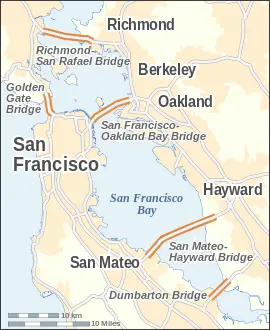
    San Francisco Bay Bridges Map

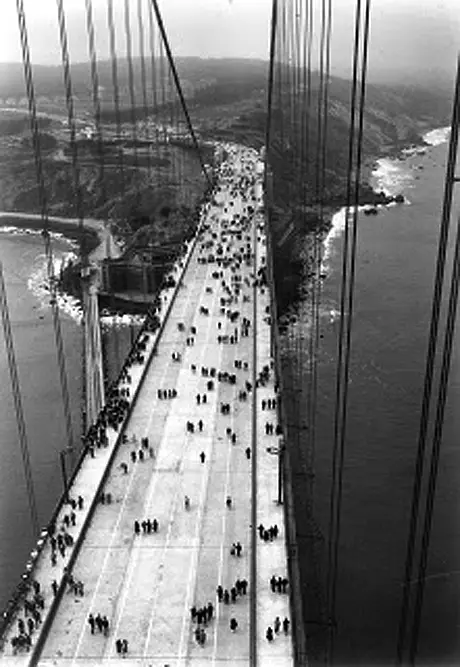
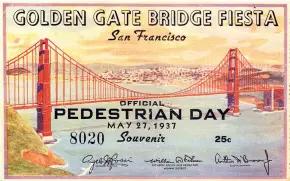
  • During the opening dedication on May 27, 1937, 200,000 people walked or roller skated across the bridge before traffic was allowed on it. Festivities went on for more than a week.

    Golden Gate

  • In 1987, for the 50thanniversary celebration, the city once again closed the bridge to traffic to allow pedestrians to cross it. Between 750,000 and 1 million people crowded onto the bridge, causing it to flatten. Worried officials took the people off the bridge.
  • The Golden Gate Bridge has six lanes for vehicles and two lanes for pedestrians and bikers.
  • The toll to cross the bridge in 1937 was .50. In 1955, it was reduced to .25. Today it costs more than $8 to cross the bridge.

    Pedestrain Day

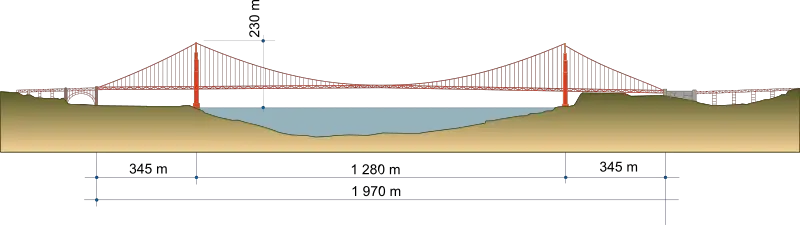
  • The Golden Gate Bridge is an iconic landmark to California and the United States, recognized around the world. It spans 4,200 feet and rises 746 feet in the air.

    Below Golden Gate Bridge

Vocabulary

  1. Strait: a narrow strip of water that joins two bodies of water
  2. Ferry: small boat
  3. Turbulent: rough or dangerous


Questions and Answers

Question: Was building the bridge dangerous?

Answer: Yes, but Ellis installed moveable safety nets that reduced the danger in the event of a fall. 21 men were saved by the nets after falling, although 11 men were killed during construction.


Learn More

Visit the Golden Gate Bridge website.

Golden Gate Bridge