All posts by americanadmin

Mark Twain House and Museum

Mark Twain House and Museum

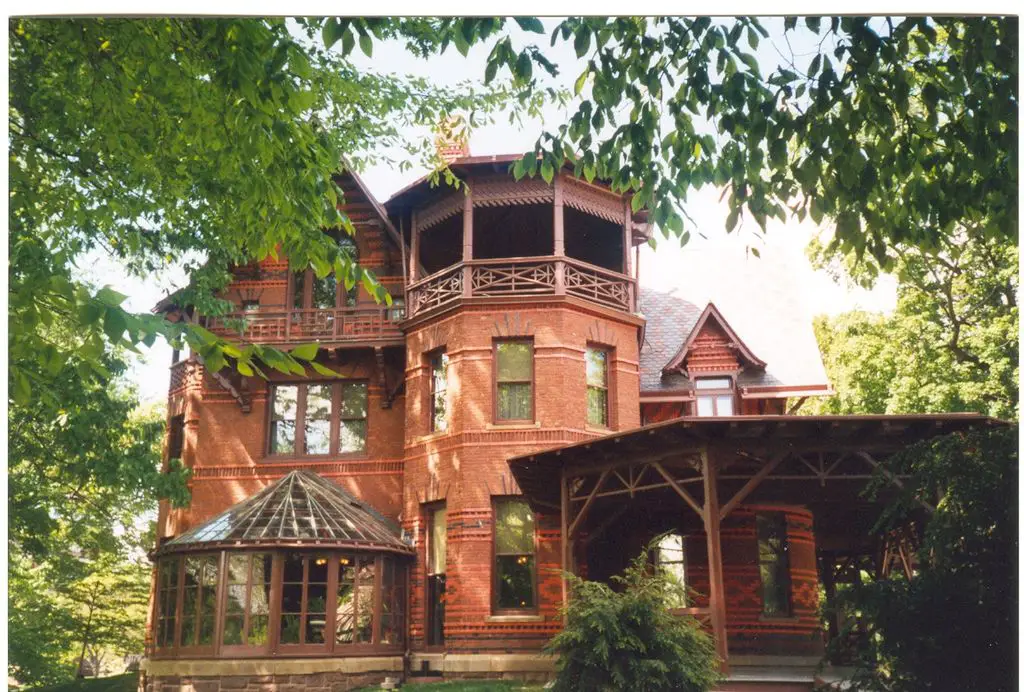
Although we tend to think of Mark Twain (Samuel Clemens) as a Southerner, the Mark Twain House and Museum is in Hartford, Connecticut, a place Twain described as one of the most beautiful towns in the country.
Mark Twain House and Museum

Fun Facts

  • Mark Twain and his family lived in the home from 1874 to 1891. His biographer Justin Kaplan described the home as “part steamboat, part medieval fortress, and part cuckoo clock.” It was large, meandering, and angular.
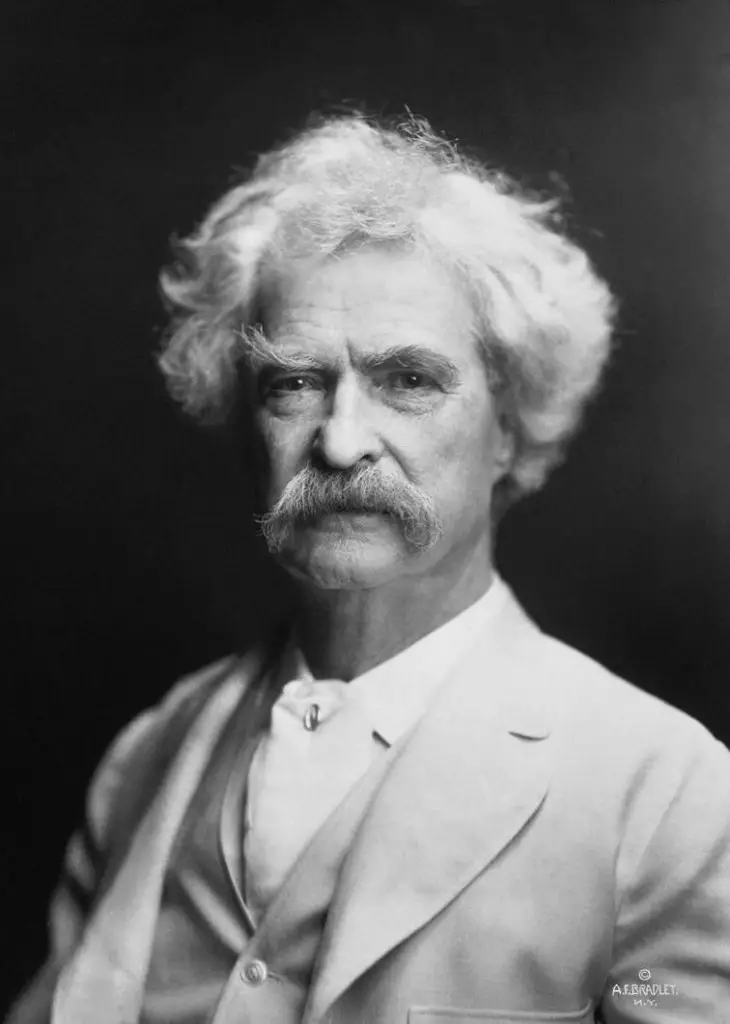
    Mark Twain

  • On the third floor was a smoking lounge where Twain entertained male friends. His writing office was on this floor too. He said he needed a place where he could swear without getting into trouble.
  • The second floor included a nursery and schoolroom for the children. Mrs. Clemens taught them herself. Mark Twain often played here with the children, pretending to be an elephant.
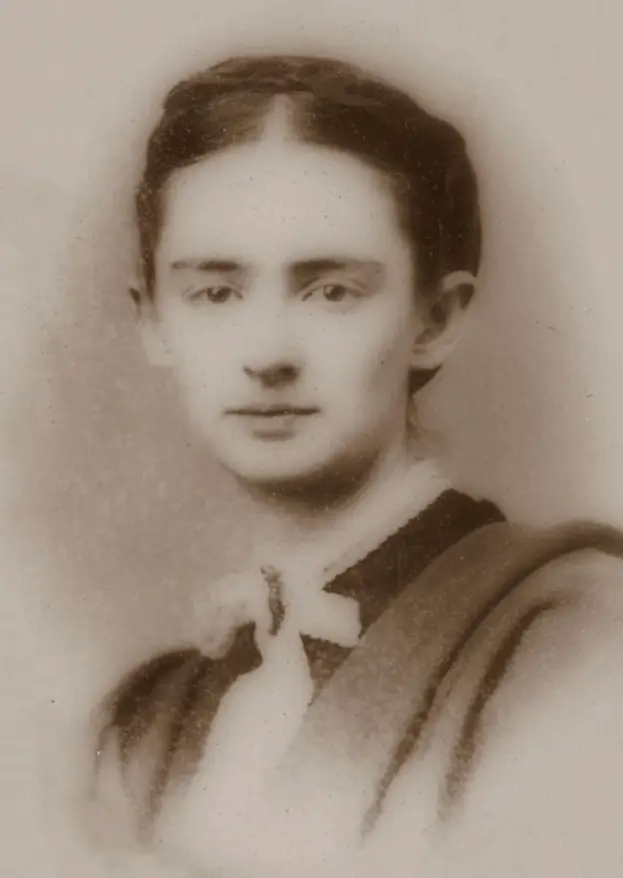
    Mrs. Clemens

  • In 1891, the family closed up the house and moved to Europe. They were facing financial problems and Mark Twain lectured throughout Europe to earn money.
  • While they were in Europe, their daughter (who had stayed behind) died of a serious illness. The family never wanted to live in the home again and sold it in 1903.
  • Over the years, the house became a school, an apartment building, and even a public library. In 1962 it was declared a National Historic Monument and in 1974, it became a museum.
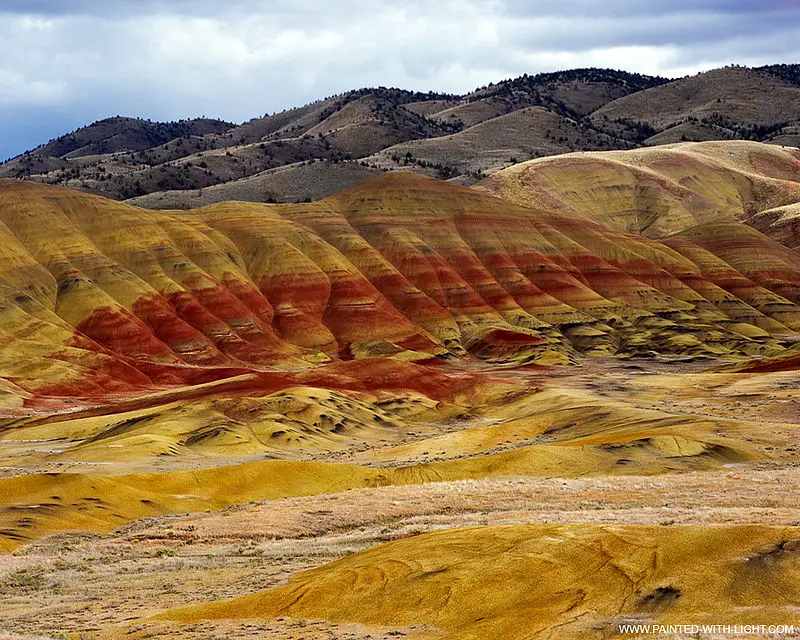
    National Historic Monument

  • Mark Twain wrote many of his most famous works here including The Adventures of Tom Sawyer, The Adventures of Huckleberry Finn, and A Connecticut Yankee in King Arthur’s Court.
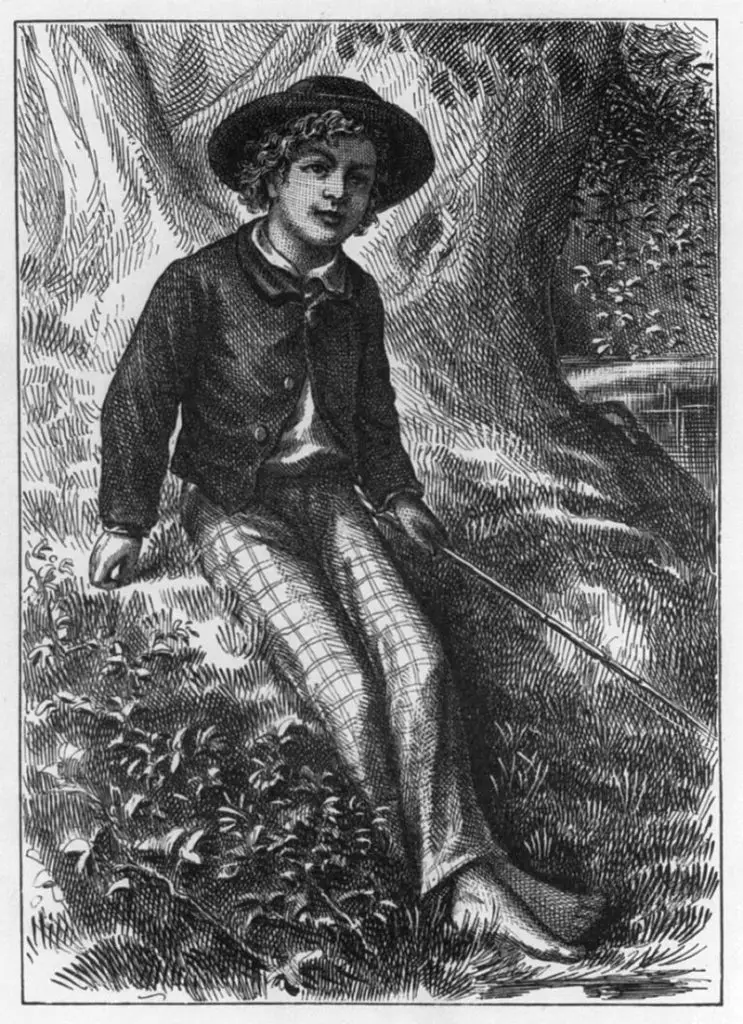
    Tom Sawyer

Vocabulary

  1. Meandering: without direct purpose
  2. Medieval: during the Medieval Age and the time of knights and castles

Questions and Answers

Question: Where are other literary landmarks in the United States?

Answer: The Edgar Allan Poe National Historic Site is in Philadelphia. Two museums honor the poet Robert Frost, one in Franconia, New Hampshire, and one in Shaftsbury, Vermont.
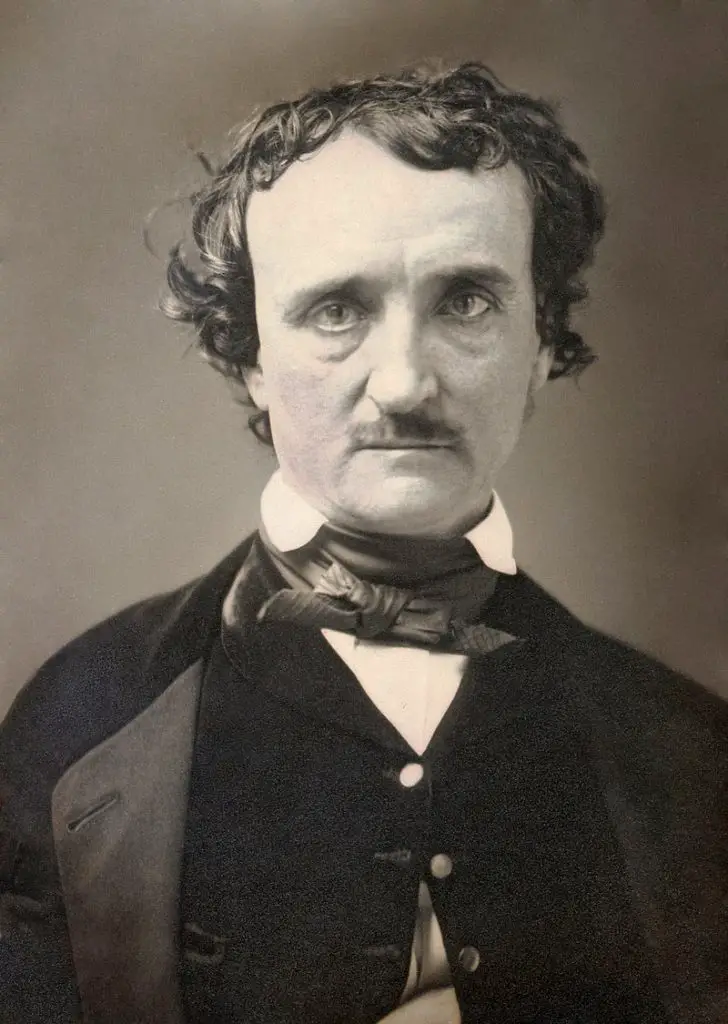
Edgar Allan Poe

Learn More

Visit the website for the Mark Twain museum.
Fenway Park

Fenway Park

Fenway Park in the Fenway neighborhood of Boston, Massachusetts has a rich heritage and is the oldest active ballpark in Major League Baseball.

Fenway Park

Fun Facts

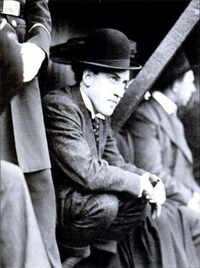
  • Fenway Park was built in 1912 by Red Sox owner John Taylor. The first game was played April 20, 1912, but newspaper coverage of the game was downplayed because of the recent Titanic ship disaster.

    John Taylor

  • The stadium was rebuilt in 1934 and has been renovated several times since. In 1999, owners wanted to demolish it and build a new ballpark. People in Boston were so opposed to this idea that the park was allowed to stay. It has been renovated and is expected to be operational until 2061.

    Boston

  • In addition to baseball, the park has hosted concerts, soccer and hockey games, religious and political events, and even football games played by the Boston Redskins, the Boston Yanks, and the New England Patriots.

    Boston Yanks

  • The ballpark has hosted the World Series 11 times (the Red Sox won six of those times).
  • In 2012, Fenway Park was designated a National Register Historic Place.
  • Fenway Park is one of the smallest ballparks in MLB.

    MLB

Vocabulary

  1. Demolish: destroy
  2. Heritage: inherited tradition

Questions and Answers

Question: Does Fenway Park have any unusual features?

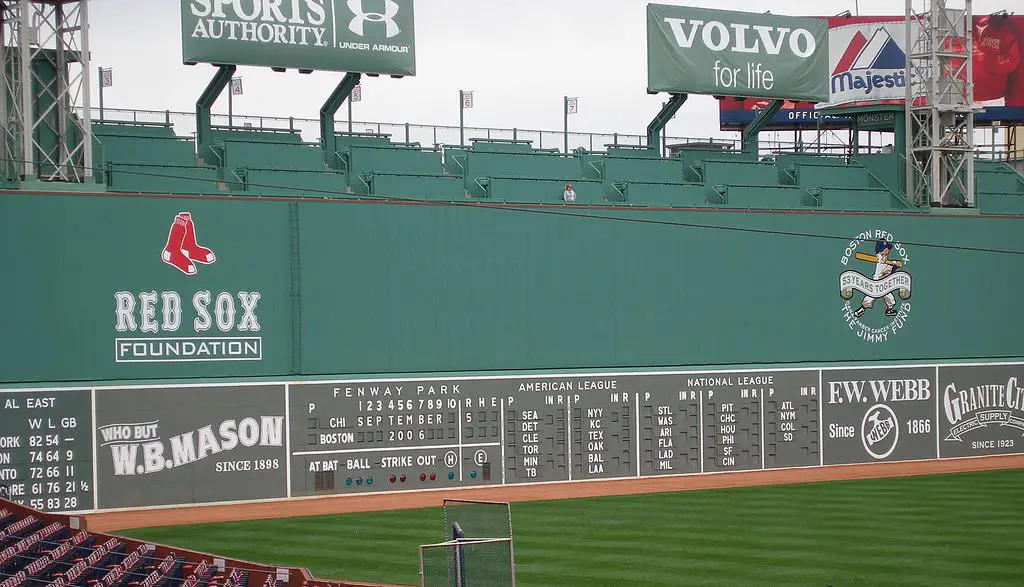
Answer: Yes, several, such as the Green Monster, a green wall behind left field which because of its short distance from home plate gives right-handed batters an advantage. The Lone Red Seat is a red seat in the right field bleachers where Ted Williams hit the longest home run in 1946.

Green Monster

Learn More

Read more about the Green Monster.

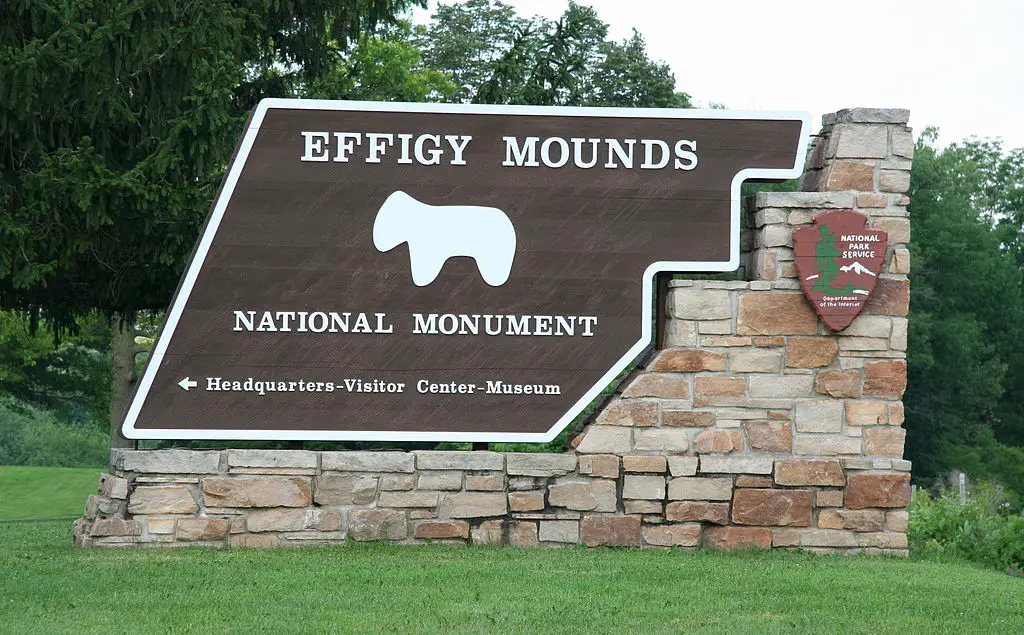
Effigy Mounds National Monument

Effigy Mounds National Monument

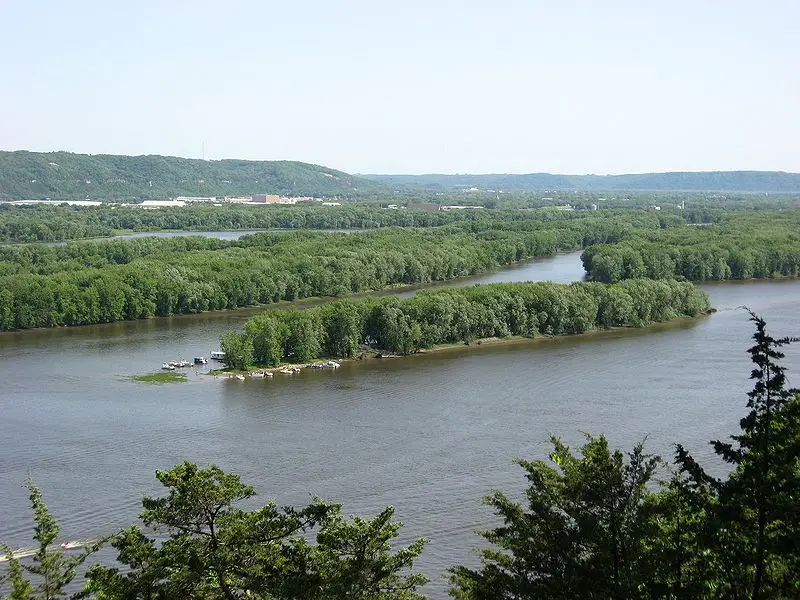
For over 5,000 years, groups of ancient people in what is now the Midwest and Southeast built mounds of earth. Most of these mounds were flat-topped pyramids or mounds and were likely used for burials, religious ceremonies, or even homes.

Some of the mounds were shaped like mammals, reptiles, or birds and these are known as effigy mounds. Effigy Mounds National Monument protects these sacred places.

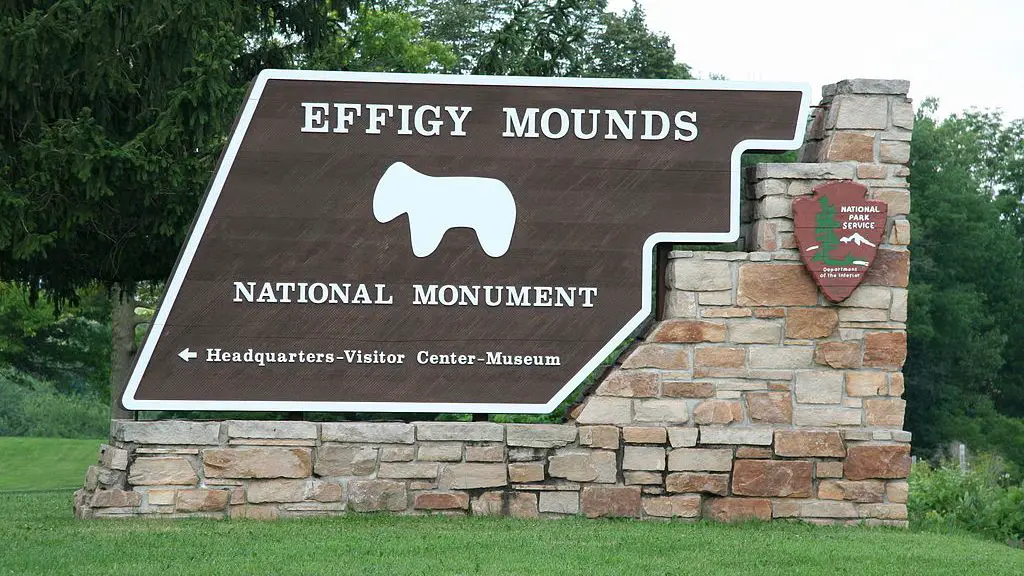
Effigy Mounds National Monument

Fun Facts

  • Archeologists Charles R. Keyes and Ellison Orr declared the area a national monument in 1949. The monument has 2,256 acres of land, 206 mounds, and 31 effigies.

    National Monument

  • Visitors can attend educational programs to learn more about the mound builder cultures, hike on more than 14 miles of hiking trails, visit the mounds, or enjoy the nearby wildlife areas.
  • Most of the mounds can be found in Wisconsin, Iowa, and Illinois. The Great Serpent Mound, which is shaped like a snake, is in Ohio.
  • The Great Bear Mound in the park is 42 meters long and 1 meter tall.
  • The site sits on the border between prairies, wetlands, and the woodland forests of the east, an ideal location for ancient people because of the many types of resources available.
  • The mound builders lived and built mounds between 3500 B.C. and the 16thcentury A.D.
  • In Collinsville, Illinois lies the Monks Mound at Cahokia, which is more than 110 feet tall. In this area was once a vibrant community of between 20,000 and 30,000 people.
  • Several explanations for the mounds have been offered over the years. In the 1800s, people thought they were the burial grounds for a giant race of people. Others believed that they were made by members of the lost tribes of Israel.
  • Archaeologists today believe that the mound builders were ancestors to several modern native people, including several Sioux nations.


Vocabulary

  1. Effigy: a model made to represent a human or animal
  2. Vibrant: bright, lively


Questions and Answers

Question: Is it legal to take artifacts from the area?

Answer: No. The area is sacred to native people and it is illegal to take bones or artifacts. In fact, one government worker spent time in prison for taking bones.


Learn More

Discover the Mound Builders.

Falling Water

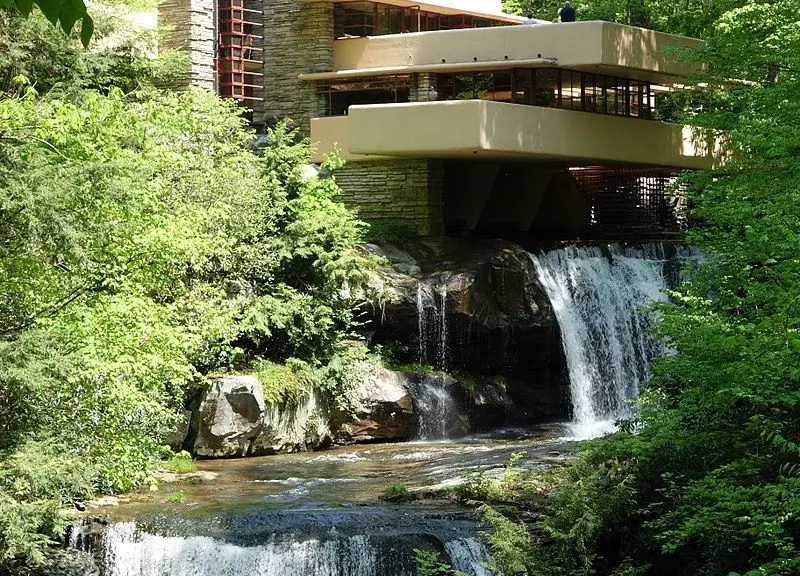
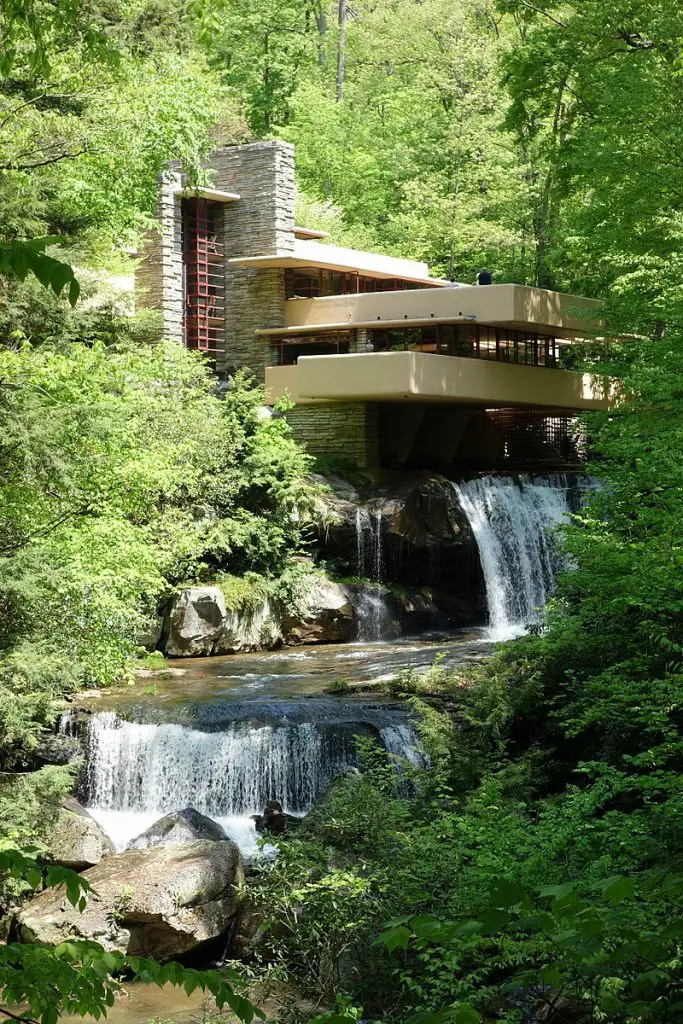
Imagine a house built over a waterfall, a house with walls of windows, lots of nature, and the sound of water echoing throughout. That’s Frank Lloyd Wright’s iconic project, Fallingwater.


Fun Facts

  • Frank Lloyd Wright built Fallingwater in 1935-1938 in the Alleghany Mountains of rural Pennsylvania.

    Fallingwater By Frank Lloyd Wright

  • The home was commissioned by Liliane and Edgar J. Kaufmann, Sr., founders of Kaufmann Department Stores, as a weekend home. The couple loved nature, especially hiking and horseback riding. They wanted a home that would allow them more time to do these things.

    Kaufmanns Department Store

  • Wright told Kaufmann he had a preliminary design ready, but in reality, the design was only in his mind. When Kaufmann called to say he was making a surprise visit to see the design, Wright sat down and drew up the plans in only 2 hours.
  • The original estimate for the cost of the home was $35,000, but the final bill was $155,000. The Kaufmanns enlarged the house and added a guesthouse, garage, and servants’ quarters. In today’s money, it would cost $2.8 million to build.
  • The family lived in the home from 1937 to 1963. Edgar, Jr., the Kaufmanns’ only child donated the house and 1,500 acres of land to the Western Pennsylvania Conservatory.
  • The home is a National Historic Landmark and is on the World Heritage List. Time magazine called it Wright’s “most beautiful job,” and the Smithsonian included it on their “Life List of 78 Places to Visit before You Die.”
  • More than 4.5 million people have visited Fallingwater and 160,000 visit every year.


Vocabulary

  1. Iconic: Almost universally known, classic
  2. Commission: hired for a project
  3. Rural: in the country


Questions and Answers

Question: How did the Kaufmanns become acquainted with Wright?

Answer: Their son, Edgar, attended the Taliesin Fellowship, an architectural apprenticeship offered by Frank Lloyd Wright. He raved to them about Wright’s imaginative designs and they hired Wright for the job.


Learn More

Watch a video about Fallingwater.

Taliesin

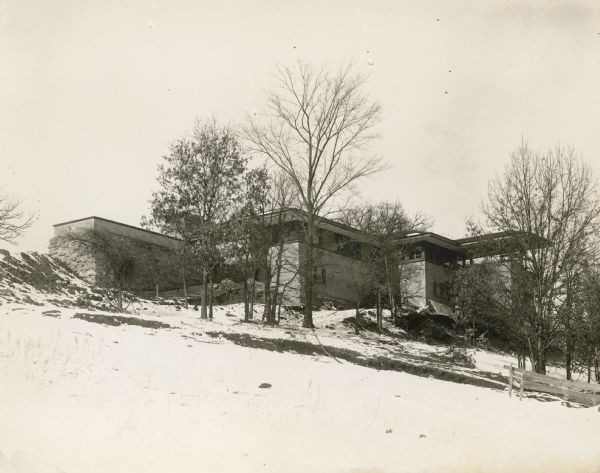
Taliesin was Frank Lloyd Wright’s personal home for most of his adult life. It’s a beautiful place with a sad past.

Frank Lloyd Wright Personal Home

Fun Facts

  • Frank Lloyd Wright built Taliesin in 1911 in Spring Green, Wisconsin for himself and his mistress Mamah Borthwick. He had spent many childhood hours nearby at his aunts’ home and school and loved the area.

    Taliesin House First Winter In Spring Gree City

  • In addition to the house itself, Wright built most of the furniture for it.
  • The home sits on 600 acres that included over 1,000 fruit trees and plants including 285 apple trees, gooseberries, blackberries, raspberries, pears, asparagus, rhubarb, and plums.
  • Like most of his projects, Taliesin was built to harmonize with the natural world. It is tucked into the side of a rolling hill with lots of windows for light. Wright said it was low, wide, and snug.
  • Its name means “shining brow” in Welsh. Wright’s family often gave their homes Welsh names.
  • Wright’s studio was here too and he opened a small school for architecture students. In 1937, he opened an additional school in Scottsdale, Arizona.
  • In 1914, a servant and butler, Julian Carlton, violently attacked Mamah and her two children while Wright was away. He killed them and then locked the doors to the dining room where the servants were eating before lighting the house on fire. Five servants died.
  • Carlton was mentally ill and had been given notice that he could no longer work at Taliesin.
  • Wright was grief stricken, but soon began rebuilding Taliesin, almost exactly like the original.
  • In 1935, a faulty electrical wire caused a second fire and the house burned again. Wright built it once more.


Vocabulary

  1. Harmonize: to complement and go together
  2. Welsh: the language spoken by people in Wales, a small country that is part of the U.K.
  3. Architecture: the art of designing buildings and spaces

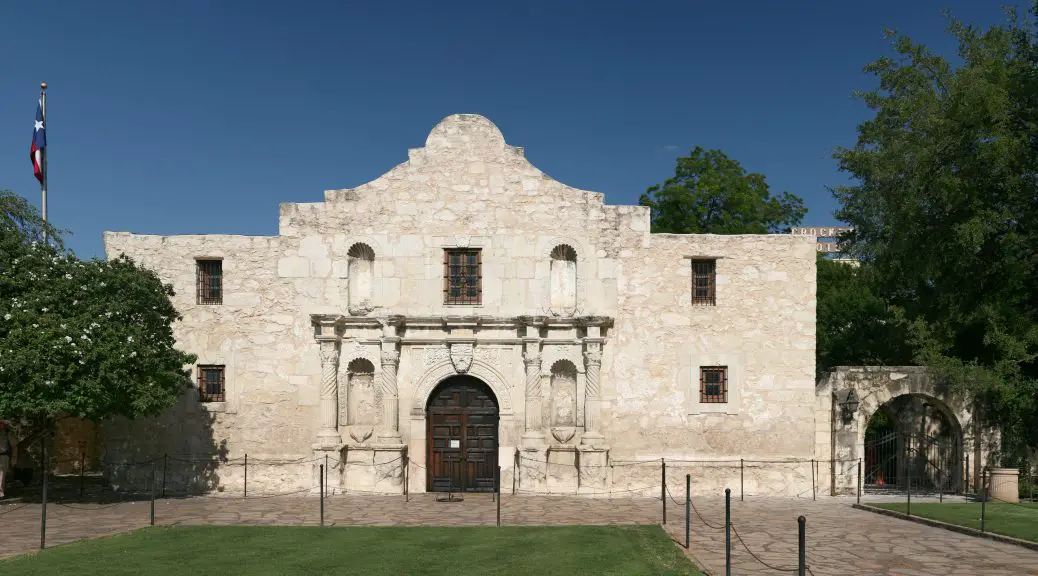
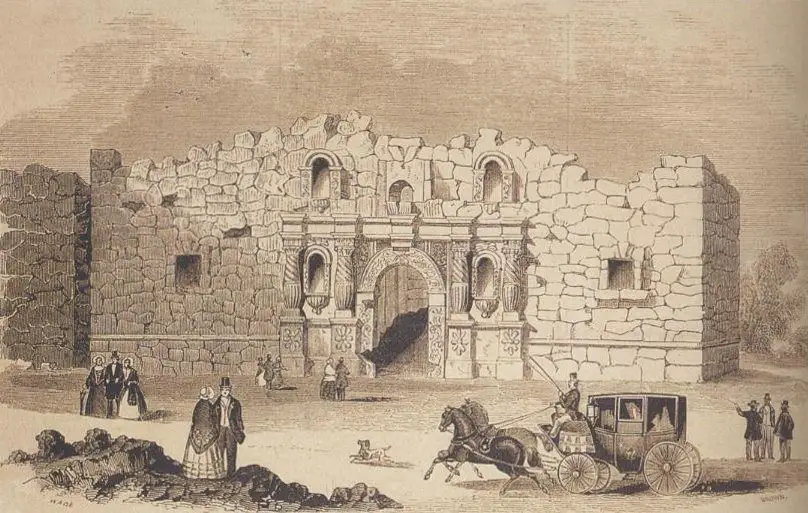
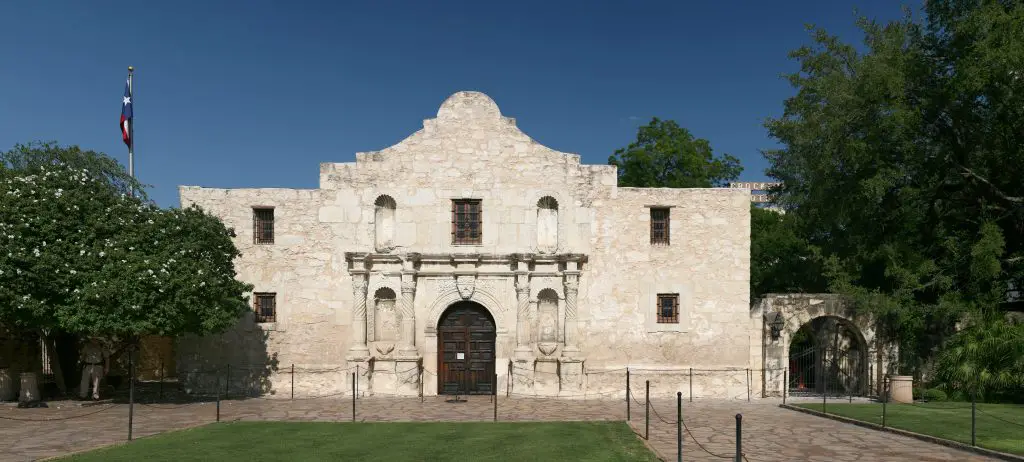
The Alamo

The Alamo is remembered as a military fort and the site of a great battle, but it was originally a mission for the Catholic Church.

Battle Of The Alamo

Fun Facts

  • The Alamo Mission in San Antonio was established in 1744 as a church mission and also as a place for missionaries throughout the Southwest to stop for provisions and rest.

    The Alamo

  • It sat on three acres and was mostly self-sufficient. More than 300 American Indians who had converted to Catholicism lived in the mission. They had a textile shop and a farm, producing 2,000 bushels of corn and 2,000 head of cows annually.
  • The mission included some 30 buildings and offered American Indians an education and opportunities to learn skills and trades.
  • In 1793, after Mexico gained its independence from Spain, the mission was secularized,which means it couldn’t be used for religious purposes. The Mexican government was suspicious of the Catholic Church, believing the Spanish government would use the church to continue to control Mexico.
  • The mission was then abandoned. The Mexican army used it as a military fort until the Texan army took it for their own purposes.
  • In 1803, a fierce battle took place between the Mexican and Texan armies. Texas belonged to Mexico at that time, but the people of Texas wanted to form their own country. The Texan army was holed up in the Alamo and were eventually defeated. Almost all of them were killed.
  • In 1849, after Texas was annexed to the United States, the Mexican government sold the Alamo to the U.S. government. At first it was used as a quartermaster’s depot and then a grocery store.
  • The buildings sat empty and were falling into disrepair when Clara Driscoll and Adina Emilia De Zavala, Daughters of the Republic of Texas, began lobbying the state legislature to restore it.
  • In 1905, the women succeeded in their mission and the Alamo was renovated.


Vocabulary

  1. Convert: to join a group, religion, or practice
  2. Secularized: to remove religion
  3. Disrepair: ruin


Questions and Answers

Question: Is the Alamo open today?

Answer: Yes, the Alamo is now a museum and can be visited in San Antonio, Texas.

Learn More

See photos and read about the Alamo.

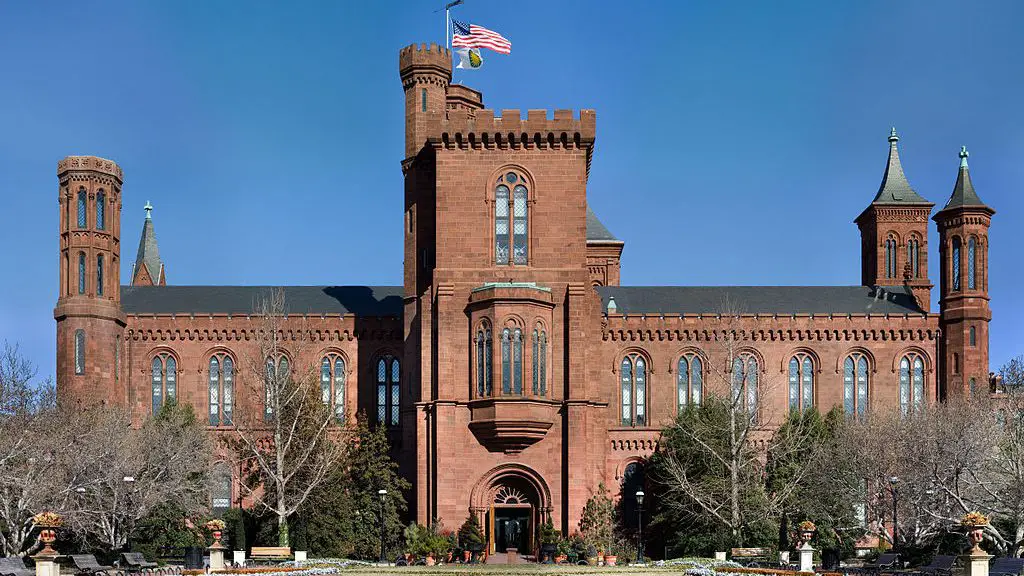
The Smithsonia Institution

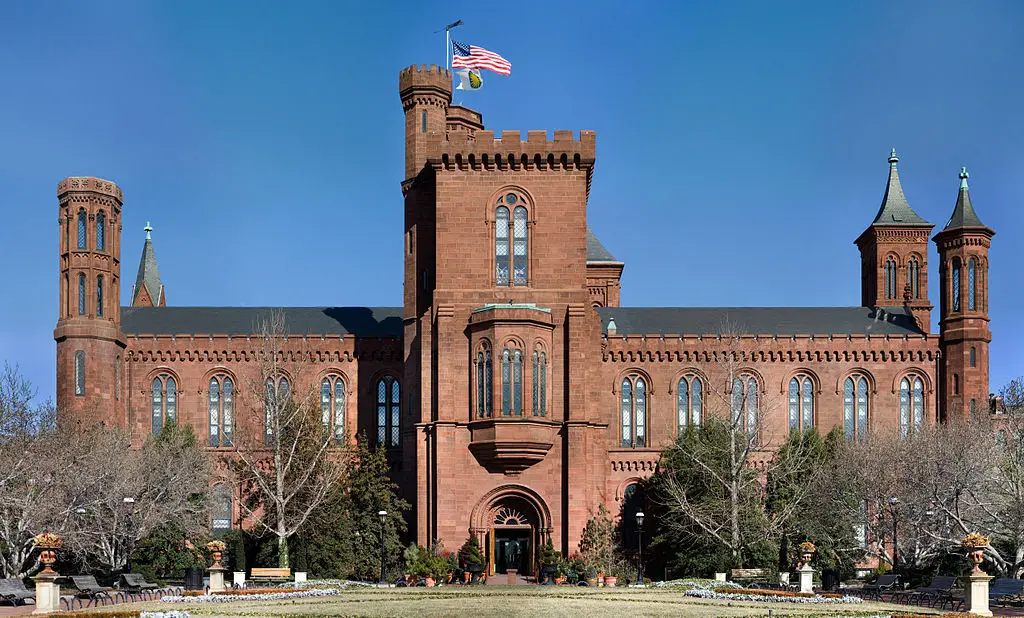
The Smithsonian Institution isn’t just one museum, but a complex of 17 museums and galleries, 21 libraries, 9 research centers, and the National Zoo. The complex holds more than 150 million objects and is always free.

Flag Of The Smithsonian Institution

Learn More

  • The Smithsonian Institution was named for James Smithson, an English scientist who wanted his fortune to be used for an “increase and diffusion of knowledge.”
  • Richard Rush, an American diplomat during Andrew Jackson’s presidency, traveled to England in 1838 to retrieve the money—105 sacks holding 104,960 gold coins worth $500,000.
  • Smithson’s directions were vague and for several years, nothing happened to bring his dream to pass. It was John Quincy Adams who spearheaded the project, urging Congress to develop a plan for the funds.
  • In 1846, the first building was completed. Today, more than 30 million people annually visit the Smithsonian, which is found on the National Mall and in other parts of Washington D.C.

    Smithsonian First Building

  • The Smithsonian is called the “nation’s attic.” It holds the Star Spangled Banner, numerous pieces of art, and even Julia Child’s Cambridge kitchen.
  • The Smithsonian is also known for its website, educational programs, and magazine.


Vocabulary

  1. Complex: a group
  2. Diffusion: sharing and spreading
  3. Spearhead: lead


Questions and Answers

Question: How long does it take to visit the Smithsonian?

Answer: It would take many hours and days to visit the Smithsonian. Most visitors start with their favorite interests, such as American history, and visit a handful of the buildings.


Learn More

Visit the Smithsonian’s website to get a glimpse of the museum’s vast collection of exhibits.

The Cathedral Basilica of St. Louis, King of France (St. Louis Cathedral)

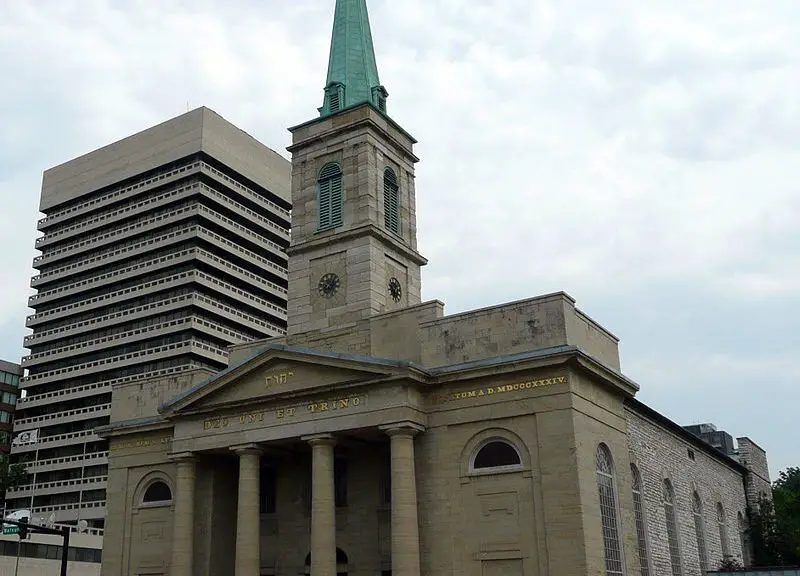
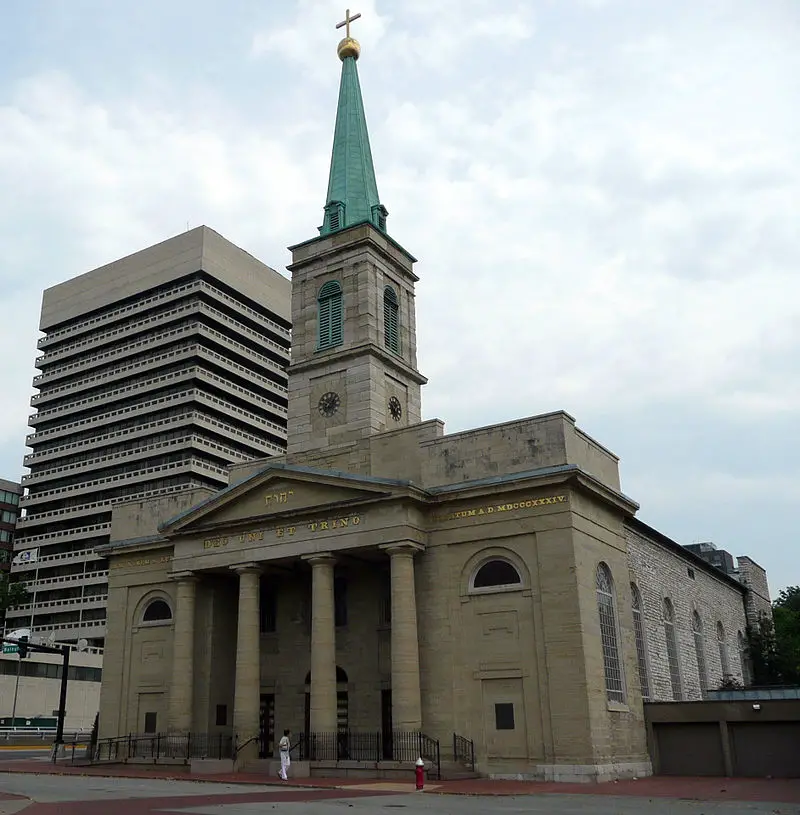
The Cathedral Basilica of St. Louis is the oldest Catholic cathedral in continual use in the United States.

Fun Facts

  • Situated in the French Quarters of New Orleans, this cathedral was built in 1718 when New Orleans belonged to France.

    Basilica Of St Louis France

  • It was named for Louis IX of France.
  • The original church burned in the Great Fire of 1788 and was rebuilt by the Spanish (who had gained control of the city) the following year.
  • The cathedral was renovated and rebuilt again in 1850. Today, little of the original building from 1789 remains.
  • The cathedral looks like a beautiful, fairytale castle.
  • A bombing incident in 1909 blew out the windows of the building.
  • Hurricane Katrina caused considerable damage to the church, tearing out two oak trees, damaging a sculpture of Christ, and tearing a hole in the roof, allowing water to reach the organ underneath.
  • Voodoo priestess Marie Laveau is buried in the cathedral’s cemetery. Thousands of people visit her grave every year.
  • Nicolas Cage purchased a burial plot here.


Vocabulary

  1. Cathedral: a large church (often Catholic)
  2. Voodoo: a spiritual practice with African roots


Questions and Answers

Question: Can people visit the cathedral today?

Answer: Yes, the church still offers worship services and conducts funerals and weddings.


Learn More

See pictures of this beautiful church.

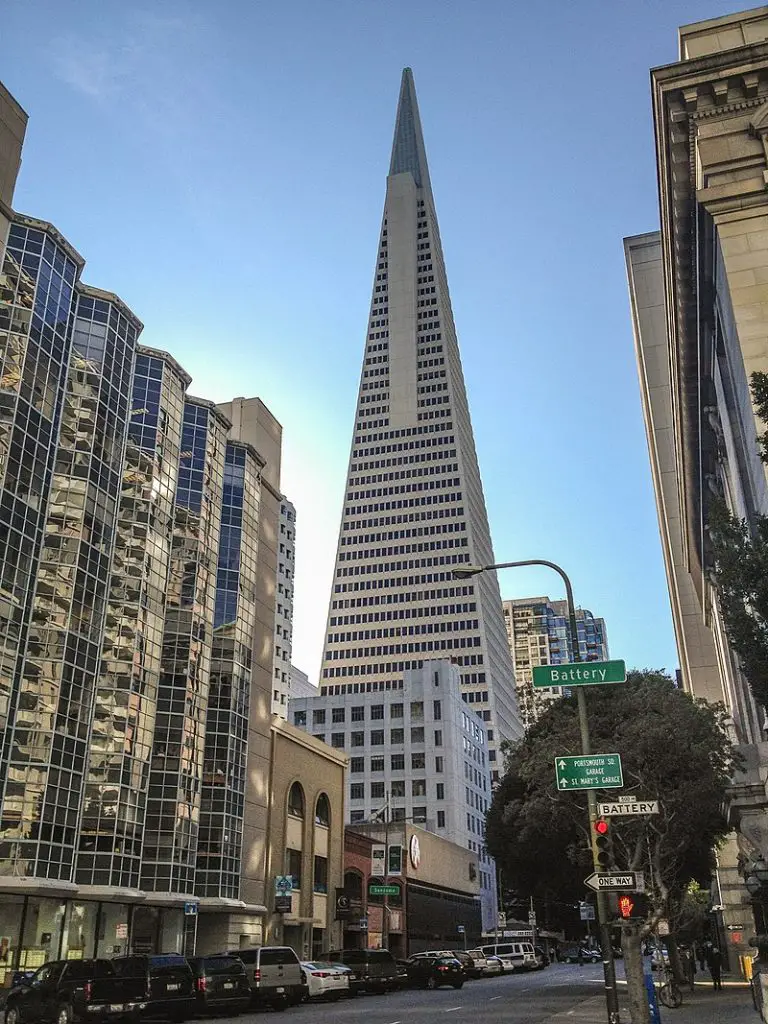
The Transamerica Pyramid

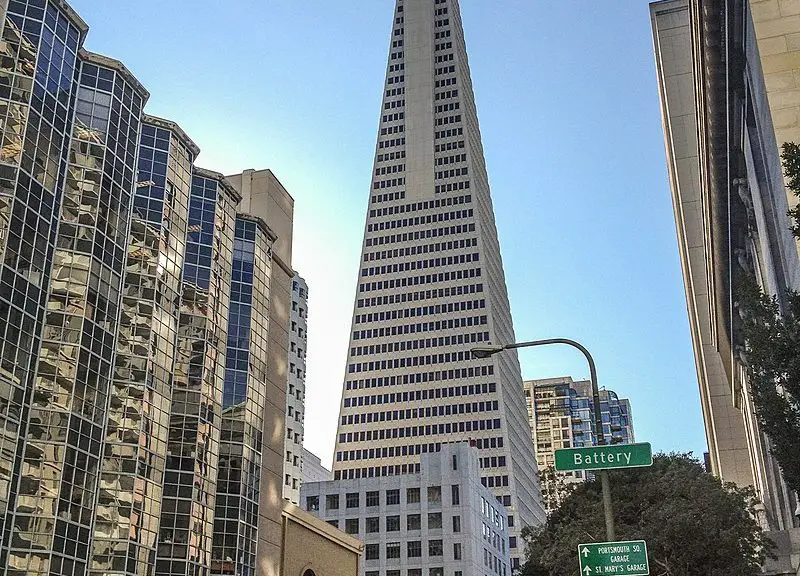
Maybe you think of Egypt when you think of buildings shaped like pyramids. But a more modern pyramid can be found in San Francisco.

Fun Facts

  • John R. Beckett, CEO of Transamerica, wanted a building that would not block light to the street.

    The Transamerica Pyramid

  • He hired architect William Pereira to design the building. Not everyone liked the four-sided pyramid design and many people said it was ugly. Today, though, it’s an iconic landmark in San Francisco and people appreciate its modern look.
  • The building was finished in 1972 and, at 48 stories, was the tallest building in San Francisco until 2018.
  • The building has two wings which house the elevators and a spire on top of the building.
  • At street level is a private park with sculptures of a jumping frog and children playing.
  • During construction, onlookers threw several thousand dollars in coin into the pit for good luck.
  • To make the 9-foot thick foundation, workers poured concrete continuously for three days.
  • Near the foundation of the building was the hull of the whaling vessel, Niantic, from the 1849 California Gold Rush era.
  • A red, glass-encased light sits at the top of the tower to warn aircrafts of its presence.
  • The building is believed to have been the target of a 1995 hijacking incident.


Vocabulary

  1. Iconic: well-known and recognized symbol
  2. Landmark: well-known building or place
  3. Hull: the bones of a ship


Questions and Answers

Question: What is the pyramid building made of?

Answer: Mostly steel and glass, but the exterior is covered in crushed quartz.


Learn More

Watch a video about the Transamerica Pyramid building.

Lincoln Memorial

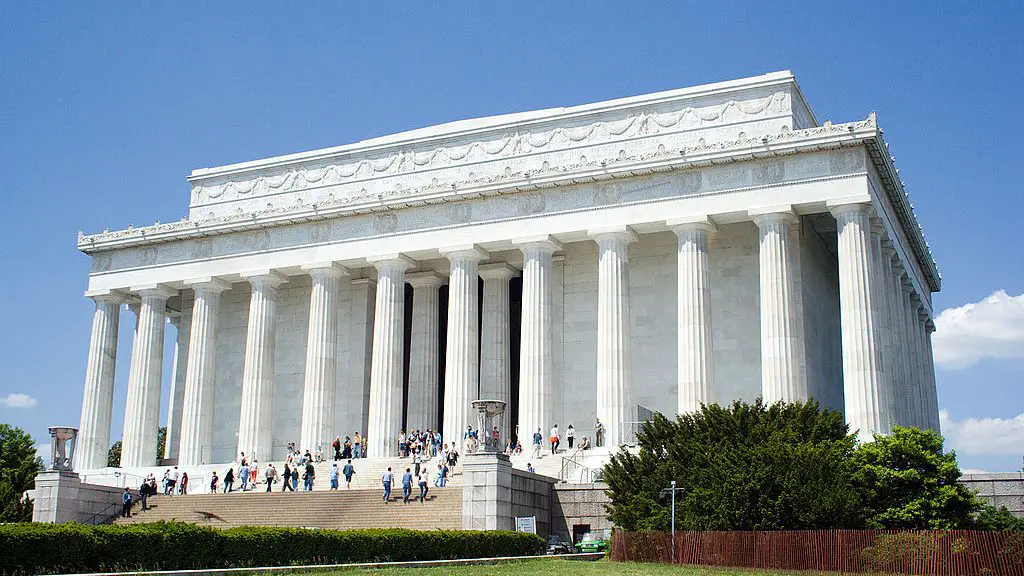
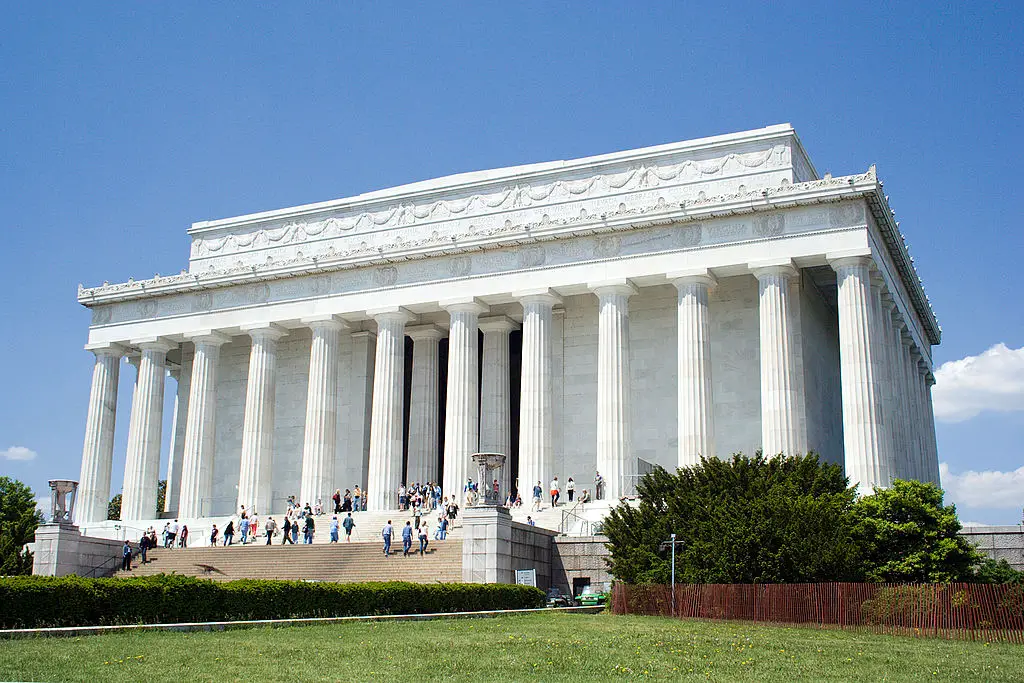
After Abraham Lincoln’s assassination, many people felt a memorial should be made in his honor. Getting it built took more than 50 years.

The Lincoln Memorial

Fun Facts

  • The first memorial was built in 1868, three years after Lincoln’s death.
  • Later, Clark Mills proposed a design for a larger memorial but it was so extravagant that raising enough money to build it wasn’t possible. Progress on a memorial floundered until finally in 1910, Congress approved a design and President William H. Taft oversaw the project.
  • The Lincoln Memorial is designed after a Greek Temple. It features a 19 foot statue of Abraham Lincoln sitting in a chair. Inscribed on the monument are the words from two of Lincoln’s most well-known speeches, the Gettysburg Address and his second inaugural address.
  • The memorial was constructed from 175 tons of Georgia white marble.
  • The 36 states that were part of the Union at Lincoln’s death are named on the memorial.
  • Since the 1930s, the Lincoln Memorial has been symbolic of race relations.
  • In 1939, African American singer Marian Anderson was barred from performing at a Daughters of the American Revolution meeting. In response, first lady Eleanor Roosevelt invited her to sing at the Lincoln Memorial the following Easter Sunday.
  • It was the location for Martin Luther King Jr.’s famous speech, “I Have a Dream,” on August 28, 1963.

    I Have A Dream

  • The Lincoln Memorial is managed by the National Park Service and is open 24 hours a day. 300,000 people visit it annually.
  • The monument clearly represents President Lincoln’s values of freedom, liberty, charity, and unity.
  • The total cost for the project was $300,000 and the memorial was dedicated on May 30, 1922. Abraham Lincoln’s only living child, 78-year-old Robert Todd Lincoln attended.


Vocabulary

  1. Extravagant: big, luxurious
  2. Barred: not allowed


Questions and Answers

Question: Who designed and built the memorial?

Answer: Henry Bacon designed the building’s neoclassical exterior, which many people thought did not represent Lincoln’s humble nature.

Some people thought a log cabin would be more fitting. Daniel Chester French designed the sculpture and the Piccalilli brothers carved it. Jules Guerin painted the murals on the walls of the building.


Learn More

Visit the Smithsonian to see a video of the Lincoln Memorial.