All posts by americanadmin

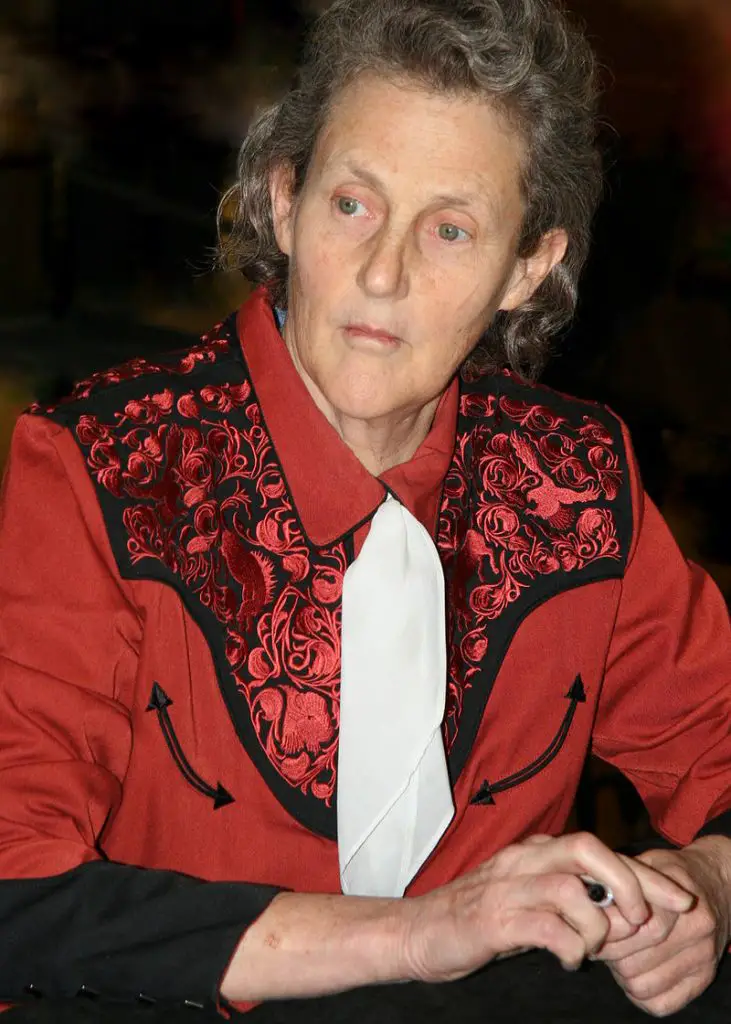
Temple Grandin

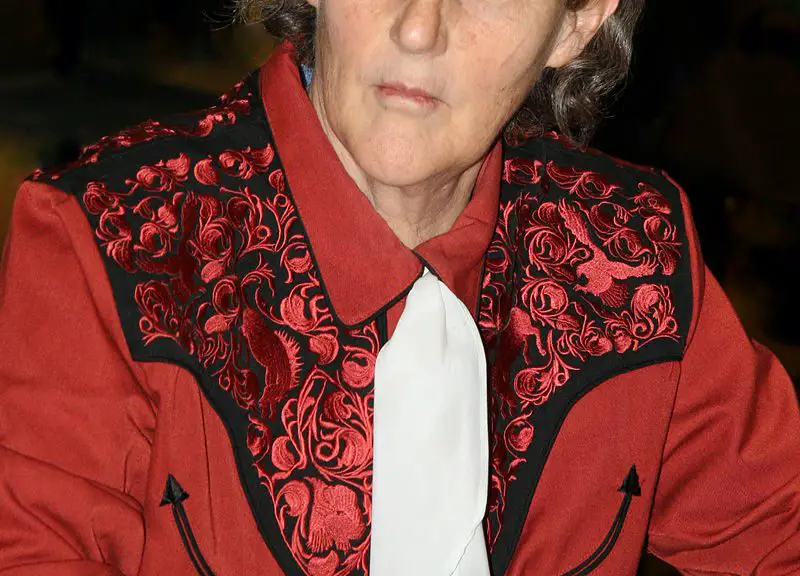
Born in 1947 in Boston, Massachusetts, Temple Grandin did not speak until she was three and a half. She was diagnosed with autism, and the experts of the time urged her parents to put her in an institution.

Fun Facts

  • In the 1940s, people believed that neglectful parenting caused autism, especially from the child’s mother.
  • However, Temple’s mother was very involved in her life. She hired speech pathologists to work with Temple. Temple played board games to learn how to take turns and work with others.
  • When she was eight, Temple’s mother asked her to host a party. The young girl greeted people and took their coats. All these experiences helped Temple learn social skills.
  • Although Temple was bright, school was hard for her. She was often teased and bullied. She loved science, horses, and other animals. She joined clubs related to these interests and made friends there.
  • Temple was expelled from her junior high school because she threw a book at a classmate. The classmate often teased Temple, calling her tape recorder because of her tendency to repeat speech.
  • Temple went to a private boarding school for high school. There she met William Carlock, a former NASA scientist and science teacher. He became a friend and mentor.
  • Carlock encouraged Temple to invent a hug machine, a device that helps calm people with autism. He continued to support her when she went to college. Temple eventually earned graduate degrees in animal science.
  • Like many people with autism, Temple thinks and learns in pictures. She is also able to understand how animals are feeling.
  • Temple began developing humane and efficient systems for handling cows at feedlots. Her systems are now used all over the world.
  • Temple became a professor of animal science at Colorado State University.
  • She also became an advocate for others with autism. She has written several books on the subject and often gives lectures.
Vocabulary

  1. Expel: remove or force out
  2. Mentor: someone who offers support, training, and advice
  3. Humane: kind


Questions and Answers

Question: What does Temple believe about people with autism?

Answer: Temple has written that we need to focus less on children’s challenges and more on their strengths. We need to be flexible about education, knowing that some children might have a hard time with reading, writing, or math, but they might be brilliant in another area.


Learn More

Visit Temple Grandin’s website to learn more.
Eugenie Clark

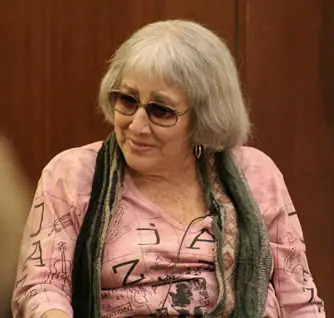
Eugenie Clark, “the Shark Lady,” spent her weekends as a child at the New York Aquarium. She grew up to be an expert on sharks and other marine animals.

Fun Facts

  • Eugenie Clark was born in 1922 in New York City. Her father died when she was two and her mother took a job at a newsstand to make ends meet.
  • Eugenie’s mother couldn’t afford a babysitter, but she had to work on Saturdays. She would drop Eugenie off at the aquarium while she worked.
  • The young girl grew to love watching the fish. She dreamed about being a fish scientist when she grew up. She wanted to swim with the fish.
  • Eugenie became an ichthyologist, which is a fish biologist.
  • She dived in places no one had ever gone before, including the Red Sea, where she discovered new species of marine life.
  • One animal she found there was the Moses sole, a bottom dwelling fish that releases a shark repellent when bothered. Eugenie tried to develop a shark repellent for humans from this chemical, but it didn’t work.
  • Eugenie was fascinated by sharks and spent thousands of hours studying them. She realized they are not the “gangsters of the sea” we think they are.
  • She taught at the University of Maryland, wrote a book, and offered many lectures, sharing what she had learned about the ocean.
  • One time she rode on the back of a 50-foot whale shark. She took her last scuba dive at the age of 92, the year before she died.
  • During her lifetime, Eugenie conducted 72 submersible dives. She dived many, many times in scuba gear.

Vocabulary

  1. Ichthyologist: a fish scientist
  2. Shark repellent: capable of warding off sharks


Questions and Answers

Question: Why didn’t Eugenie’s mother put Eugenie in childcare?

Answer: In the 1920s, when Eugenie was a child, childcare centers didn’t exist. Family and friends helped care for children, but a single mother living in New York City without family nearby would have had a hard time finding help.

Learn More

Visit the Smithsonian to read more about Eugenie.

Christina Koch

On February 6, 2020, Christina Koch returned to earth after spending a record-breaking 328 days in space. Her first order of business: to kiss her dog and eat some chips and salsa!

Fun Facts

  • Christina grew up in Jacksonville, North Carolina. From the time she was a little girl, she dreamed of being an astronaut.
  • Christina graduated from North Carolina State University with a Bachelor of Science in Electrical Engineering and Physics and a Master’s of Science in Electrical Engineering.
  • Christina spent three years in the Arctic and Antarctic. She says it was physically and emotionally hard to be away from family and friends in a place with no sunlight for three months.
  • She was chosen by NASA to be an astronaut in 2013 and completed astronaut training in 2015.
  • Christina spent almost one year at the International Space Station (ISS), the longest time any woman has spent in space. She also went on an all-female spacewalk, another first.
  • When Christina got home, she said she felt like a baby, barely able to hold her head up. The human body is not designed for space travel and readjusting to gravity can be hard. Astronaut Scott Kelly, for example, spent 340 days in space and complained of sore feet and burning skin for three months after he returned to earth.
  • Christina was very excited to see her husband and her puppy, LBD (Little Brown Dog) at her home in Galveston, Texas. She also couldn’t wait to eat her favorite food, chips and salsa.

Vocabulary

  1. Re-adjust: to become accustomed to something again
  2. International Space Station: a collaboration between the U.S., Russia, Europe, Canada, and Japan, the ISS is a low-orbiting space station


Questions and Answers

Question: Is it hard to become an astronaut?

Answer: Astronauts need a background in science and math. They also must pass emotional and physical tests to make sure they can handle the rigors of space travel.


Learn More

Watch videos and see photos of Christina at NASA.

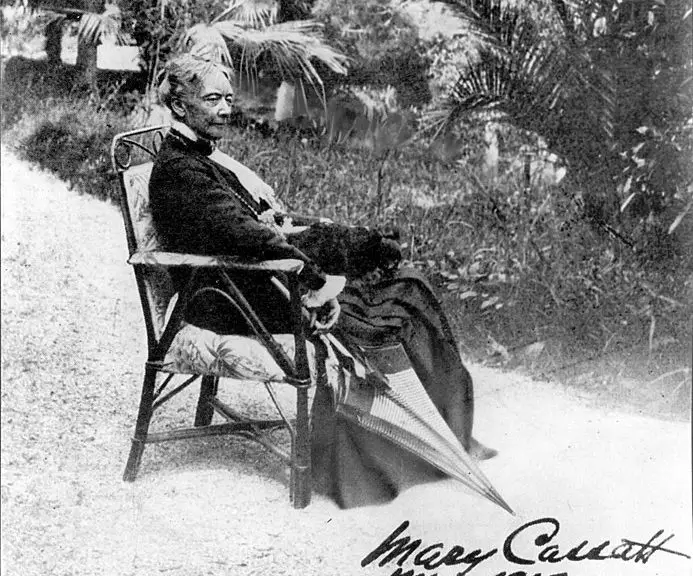
Mary Cassatt

Mary Cassatt was one of three famous female artists living during the 1800s. She gave her mother credit for her talent.

Fun Facts

  • Mary was born in Allegheny City, Pennsylvania in 1844. She had six siblings and enjoyed a comfortable upper middle-class life. Her family moved to Philadelphia when she was a young child.
  • Mary’s mother was well-educated and loved to read. She taught Mary about art. The family enjoyed traveling and Mary spent five years in Europe. She learned German and French and enjoyed seeing the work of painters in France.
  • When Mary was fifteen, she went to study at the Pennsylvania Academy of Fine arts in Philadelphia. Although her parents appreciated the arts, they were not excited about their daughter becoming an artist.
  • But Mary continued her studies at the school for four years. She became frustrated though because the male students and teachers refused to take her seriously. She dropped out and continued to study on her own.
  • In 1866, she moved to Paris. Women were not allowed to attend the art schools there but she hired a teacher from one of the schools to tutor her privately. She also spent time at the Louvre examining and copying the paintings.
  • In 1868, one of her paintings was chosen to be displayed in the Paris Salon, a great honor.
  • She returned home in 1870 as war broke out in France. Her father was willing to pay for her basic needs, but not her art supplies. Although she had some paintings hanging in art galleries in New York, no one was buying her art. Discouraged, she decided to put away her paint brushes and find a “real” career.
  • Fortunately, an archbishop hired her to paint copies of two paintings in Italy. Mary was thrilled to finally have some paying work.
  • Mary had some success in Europe over the next few years, but many of the male artists in France didn’t like her. She could be too honest and critical.
  • She became friends with Edgar Degas, a French artist who helped her career grow.
  • Mary’s popularity grew during the 1890s. She loved painting pictures of women and children, especially mothers with their children.
  • Mary stopped painting in 1914 after she became almost completely blind. She died in 1926.

Vocabulary

  1. Archbishop: religious leader
  2. Critical:


Questions and Answers

Question: Did Mary Cassatt ever marry or have children?

Answer: No. Mary was very attached to her mother and her work. Perhaps that’s why she never wanted to marry or have children.


Learn More

Watch a short video from Khan Academy about Mary Cassatt.

Eleanor Roosevelt

Fun Facts

  • Eleanor Roosevelt was born in 1884 in Manhattan, New York. Her parents were important socialites in New York. Her father was President Theodore Roosevelt’s brother. Her mother was the niece of a famous tennis player.
  • Eleanor’s family was very wealthy, but from a young age, Eleanor didn’t seem interested in her family’s status. She was quiet, shy, and plain. Her mother sometimes called her “Granny,” because of her serious nature.
  • When she was only eight, her mother and one of her brothers died of diphtheria. Her father died two years later. Before he died, he asked Eleanor to take care of her younger brother, Hall.
  • Eleanor took this request seriously and became like a mother to the young boy. After her parents’ death, Eleanor lived with her grandmother.
  • As a child and teen, Eleanor was insecure because she wasn’t pretty. She called herself an “ugly duckling.” She later wrote though that all will be attracted to a woman with “truth and loyalty stamped upon her face,” no matter how plain.
  • Eleanor attended a private finishing school in London where she was encouraged to gain confidence, speak up, and make a contribution to society. This experience changed her life.
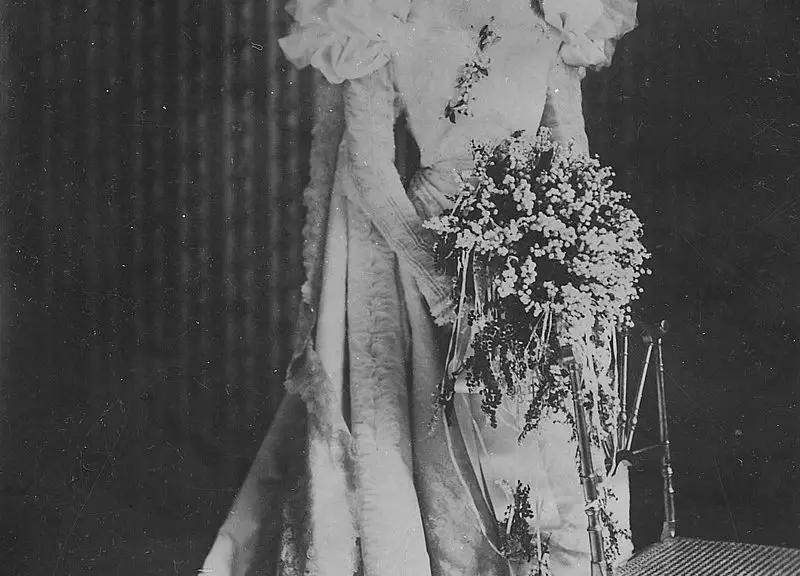
  • She married Franklin D. Roosevelt, a distant cousin, in 1905. The couple had a lavish wedding attended by many important people. They lived in New York City and had six children.
  • In 1921, Franklin became seriously ill. He recovered but his legs were left paralyzed. Eleanor nursed him back to health and convinced him to stay in politics. At the same time, she became increasingly involved in public matters.
  • Eleanor Roosevelt was very interested in making conditions better for the poor. She organized work and education programs. She also fought for equal rights for women and African Americans.
  • Franklin D. Roosevelt served as president of the United States for four terms. Eleanor was a very outspoken and involved first lady. She held regular press conferences, wrote newspaper and magazine articles, and sometimes publicly opposed her husband’s views.

Vocabulary

  1. Paralyzed: unable to move
  2. Lavish: very fancy


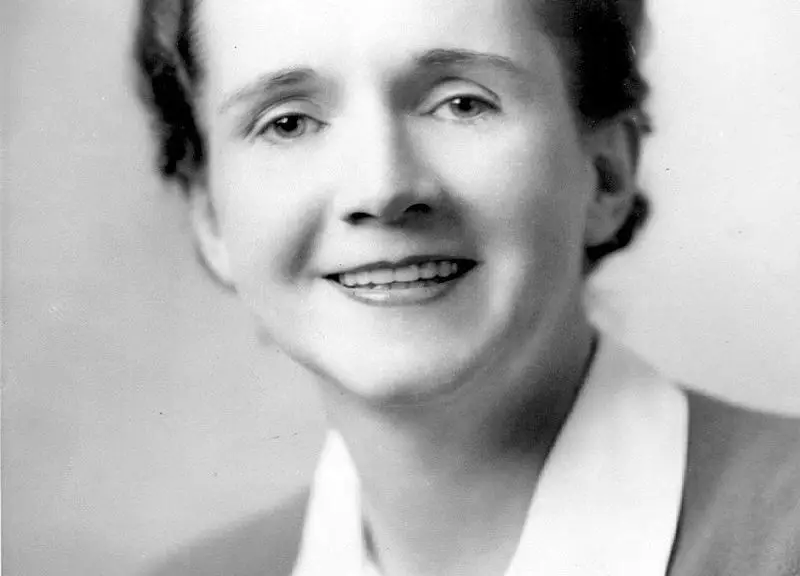
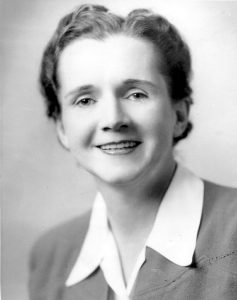
Rachel Carson

Fun Facts

  • Rachel Carson was born in 1907 on a small farm in Springdale, Pennsylvania. From early childhood, Rachel loved nature, something she learned from her mother.
  • Rachel also loved reading. Her favorite stories included those by Beatrix Potter and Gene Stratton-Porter.
  • The young girl started writing stories when she was eight and had her first story published in a magazine when she was ten years old.
  • Rachel studied English at the Pennsylvania College for Women (now Chattham), but switched to biology. She wrote for the school newspaper throughout her college experience.
  • She got a masters degree in zoology at Johns Hopkins University in 1932. She planned to pursue a doctorate degree, but dropped out and took a teaching job to support her family during the Great Depression.
  • In 1935, after her father died, Rachel took a job with the U.S. Bureau of Fisheries writing radio shows on ocean life. People liked her shows because they were interesting. She was soon asked to write other things.
  • Rachel continued to write for the bureau for thirteen more years. In 1948, she began writing The Sea Around Us. It was an instant bestseller and Rachel was able to leave the bureau to write full-time.
  • Rachel continued writing books and articles while she cared for her mother. She also raised a child, the son of a niece who died.
  • In 1964, Rachel published the book Silent Spring. After World War II, people began spraying DDT and other pesticides widely. Rachel and other scientists were concerned that these chemicals were killing birds, fish, and amphibians, and could be harmful to humans too.
  • Many people were angry and disagreed with Rachel’s book, but Rachel kept speaking up about her concerns.

Vocabulary

Bestseller: a popular book that sells many copies

Pesticide: a chemical designed to kill pests, usually insects


Questions and Answers

Question: How did Rachel respond to people who were angry?

Answer: Rachel was a quiet, introverted person. She didn’t like being the center of attention and she didn’t like conflict. She was also very ill with cancer when the book was published. She had little energy to fight with people.

But she kept writing and offering the scientific evidence behind her work. Today she is remembered as the founder of the modern environmental movement.


Learn More

Watch a video about Rachel Carson’s work.

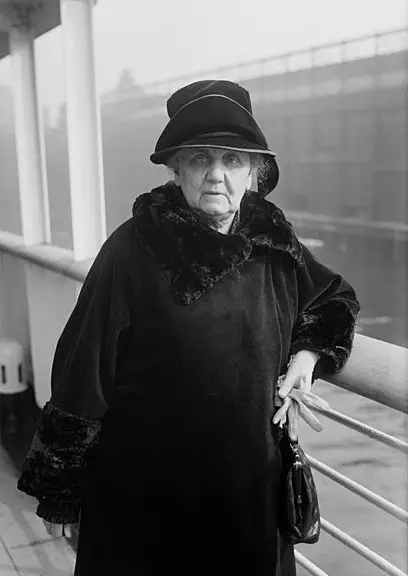
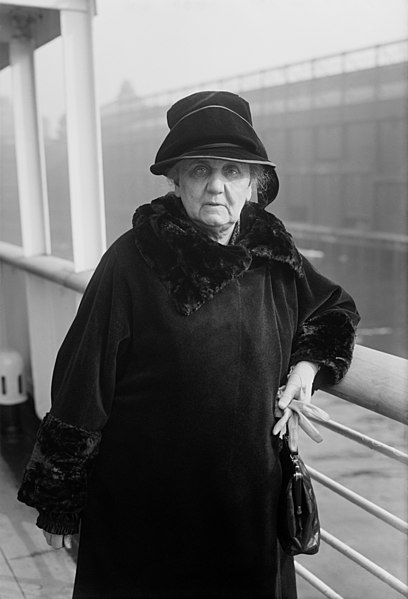
Jane Addams

Poor people living in cities in the 1800s and early 1900s endured contaminated water and food, pollution, unsafe houses, and much more. Jane Addams opened the first public house in the country.

Fun Facts

  • Jane Addams was born in 1860 near Chicago, Illinois. Her family lived in a big, comfortable home in the country.
  • Jane’s mother died when she was two. Later, Jane got tuberculosis, which left her with a deformed spine. Because of her challenges, she was very empathetic to others.
  • Jane’s father was a successful businessman with several flour mills. Sometimes he would take Jane with him on his rounds to the mills. Jane loved going with him. The outing usually ended with ice cream or candy.
  • One day when Jane was with her father, she noticed the homes around the flour mill. They were tiny, dirty, and stacked together. Children in ragged clothes ran through the streets. Jane asked her father why the people lived chose to live there. Her father told her that they didn’t have enough money to live anywhere else.
  • Jane said that when she grew up she would live in a big house in the middle of a poor neighborhood. She would help the poor people.
  • Jane was very adventurous. She loved to go exploring with her brother in the caves near her house. One night, she lowered George over a cliff to look at an owl nesting there.
  • In 1877, Jane went to Rockford Seminary. The all-girls school had previously focused on preparing women to run a household; Jane studied science, math, Latin, and literature.
  • When she graduated, she wasn’t sure what to do. Women usually had two options – get married and raise a family or become a teacher. To make matters worse, Jane’s father died, leaving her sad and confused.
  • Jane spent eight years trying different things. She went to medical school, but her deformed spine caused her so much pain that she had to drop out. Later she traveled to Europe. In London, she visited Toynbee Hall, a place where poor people could get help and education. She decided she’d like to do something similar in Chicago.
  • In 1889, Jane and her friend Ellen Gates Starr rented an old mansion, the Hull House, in a poor part of Chicago. The first night Jane stayed in the house, she forgot to lock the door. No one disturbed her and she decided to always leave the door unlocked from then on so anyone who needed shelter could come in.
  • Most of the people living in the neighborhood were immigrants who had come from Europe looking for a better life. They worked long hours in factories and made barely enough to feed their families.
  • In this house, Jane started a day care. Immigrant mothers had no one to watch their children. Next she opened a kindergarten and a youth program so children would have something to do besides run in the street. People could come to the house for food, shoes, a place to sleep or help finding a job. Jane realized that people had nowhere to bath, which led to disease. She put in a public bath house. She created the first playground in Chicago for the children.
  • Jane’s father had left her an inheritance. Jane used this money to fund Hull House and asked other wealthy people for money too.
  • By 1907, Hull House had grown from one building to thirteen buildings, including a coffee house, kitchen, music school, art gallery, theater, and gymnasium.
  • By the 1920s, 9,000 people visited Hull House every week. The neighborhood was no longer a sad, dark place, but a place of hope.
  • Community centers sprang up across the country and are still a part of life today.
  • Jane was awarded the Nobel peace Prize in 1931 for her work.


Vocabulary

  1. Empathetic: able to care for and sympathize with others
  2. Inheritance: money left for survivors after a loved one’s death


Questions and Answers

Question: When did Jane die?

Answer: Jane died in 1935 at the age of 74. She had spent her entire adult life serving others. Thousands of people in Chicago paid respect to her at Hull House and people around the world mourned her death. Today you can visit the Jane Addams-Hull House Museum in Chicago.

Learn More

Watch a video about Jane Addams.


Internal Link

https://www.americanhistoryforkids.com/the-progressive-era/

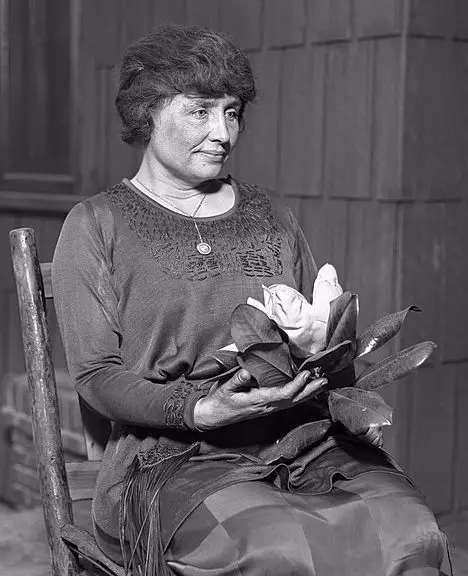
Helen Keller

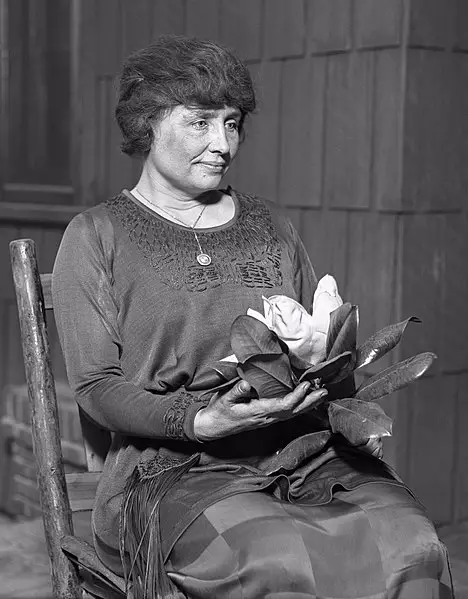
A bout with a serious illness caused Helen Keller to become blind and deaf when she was 19 months old. She could not hear, see, or speak. Imagine how frustrating that must have been. Her teacher, Annie Sullivan, taught her to communicate and opened her world.

Fun Facts

  • Helen Keller was born in 1880 in Alabama. Her father was a newspaper editor and a former captain of the Confederate army. Helen’s grandfather was a Confederate general.
  • Helen’s became blind and deaf after a serious illness. She said that she was “at sea in a dense fog.”
  • Her parents tried to help her, but weren’t sure how. Helen expressed her frustration through temper tantrums. She threw things and hit and scratched her family. One day she tipped her baby sister out of her cradle.
  • Helen’s father thought Helen should be sent away to a special school. Her mother could not bear the thought of Helen being sent away.
  • Alexander Graham Bell, a friend of the family, recommended a teacher, Annie Sullivan, for Helen. She came to live with the family in 1888 and would be Helen’s friend, teacher, and advocate for the next 50 years.
  • At first, it did not go well. Annie was strict with Helen, expecting her to be polite and obey. Helen wasn’t used to following directions, especially those given by someone she didn’t know or like.
  • Helen walked around the table at meals grabbing food from any plate she pleased. When she took some food from Annie’s plate, Annie slapped her hand. In a rage, Helen grabbed more food and hit Annie back. A terrible battle followed. Helen’s parents told Annie to let Helen have her way, but Annie refused. She knew she would never be able to help Helen until the young girl had learned to listen and obey. She asked Helen’s parents to leave the room and lock the door. Helen and Annie spent hours at the table until Helen had learned to eat her own food.
  • Annie and Helen went to live in a cottage on the property so Helen would learn to depend on her teacher.
  • After months of work, Annie taught Helen how to communicate through sign language. Her first word was water. Helen was so excited to learn.
  • In 1888, Helen went to school in Boston at the Perkins School for the Blind. Later she was accepted to Radcliffe College of Harvard University. She was the first deaf-blind person to earn a bachelor’s degree.
  • Helen could read braille, understand signs, and even speak. She wrote articles and books and became a very popular lecturer. She believed in being positive and grateful and in helping others.
  • Helen spoke out for people with disabilities, as well as the sick and poor.
  • She died in 1968.


Vocabulary

  1. Advocate: supporter, ally
  2. Braille: a written system that uses raised dots instead of printed letters


Questions and Answers

Question: How did Helen take care of herself?

Answer: While Helen was very self-sufficient, she always had a companion living with her. Annie Sullivan was her companion for many years.

Learn More

Watch a video of Helen taking a walk.

Dolores Huerta

For more than 50 years, Dolores Huerta has worked to improve the lives of children, women, and farm workers. She believes that all people deserve to be treated with dignity and respect.

Fun Facts

  • Dolores was born in 1930 in New Mexico. Her parents divorced when she was three and her mother, Alicia Chavez, moved the family to Stockton, California, a diverse migrant farm area.
  • Alicia was a strong, kind, gentle woman. She had a restaurant and a hotel with 70 rooms. She offered the rooms to migrant workers for low prices or sometimes even free. She stayed busy in the community and in her church.
  • Dolores was very inspired by her mom. She wanted to be like her.
  • She did well in school, but once a teacher wrongly accused her of stealing another student’s art. Dolores was hurt, especially because she felt the teacher accused her because she was Mexican American.
  • Dolores went to college and got a teaching certificate. She taught elementary school, but left after just a short time. She said she was saddened and angry to see migrant children coming to school hungry and with no shoes. She decided she could do more for them by trying to help their parents than by teaching.
  • She helped organize the Stockton Chapter of the Community Service Organization with Fred Ross. She worked hard in this role, helping to improve economic conditions for Latinos.
  • In 1960, she organized the Agricultural Workers Association with Cesar Chavez and later the National Farm Workers Association. At age 25, she was lobbying and organizing groups to fight for better conditions for farm workers.
  • In 2002, she started the Dolores Huerta Foundation, which works on a variety of human rights issues. Her organization has raised thousands of dollars for things like new sewer systems and streetlights in poor communities.
  • Dolores has received many awards and recognitions and at least four schools are named after her.


Vocabulary

  1. Migrant: one who moves from place to place
  2. Economic: related to money


Questions and Answers

Question: What is so bad about farm workers’ conditions?

Answer: Farm workers had few rights. They were poorly paid and often lived in tiny, cold homes without even the basics like running water and electricity. Many farm workers slept on the floor. Their children lacked health care and education. Conditions are somewhat better today but we still have a long way to go.

Learn More

Watch a video with Dolores Huerta.

Ella Fitzgerald

Fun Facts

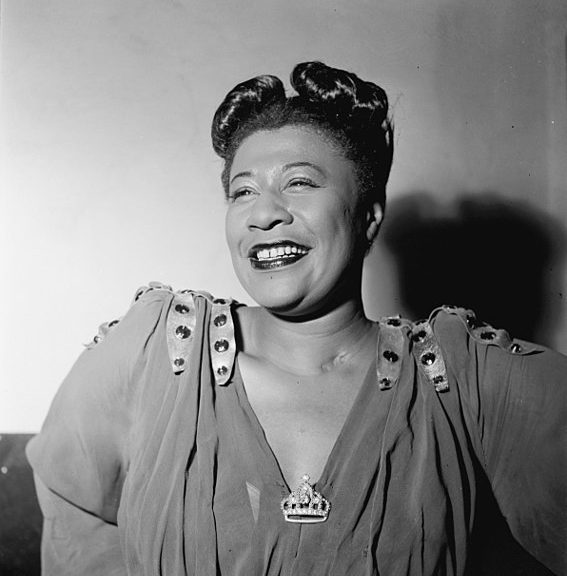
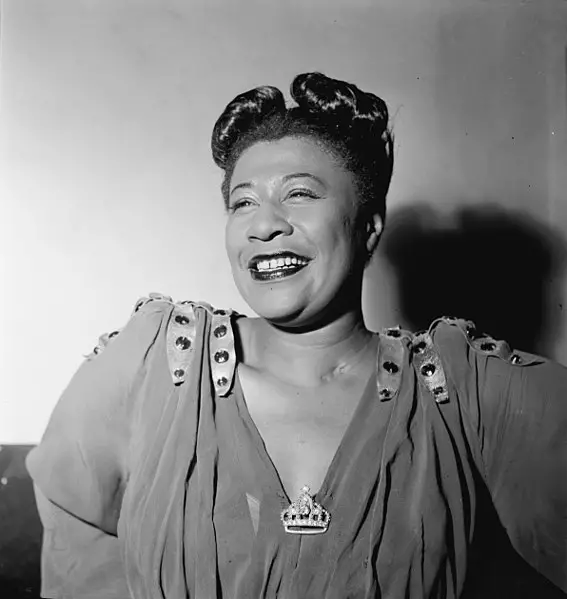
  • Ella was born in 1917. She grew up in Yonkers, New York in a busy, vibrant neighborhood. She liked to play baseball with the other kids, listen to music, and dance and sing.
  • Her stepfather, Joe, was a chauffeur and ditch digger. Her mother, Tempie, worked at a laundromat and catered food. To make a little money, Ella sometimes delivered money for gambling operations in the area.
  • Tempie died in 1932 after she was in a serious car accident. Ella was devastated. She went to live with her Aunt Virginia. Joe died of a heart attack not long after and Ella’s little sister Frances joined her.
  • Ella missed her mother terribly. She started skipping school and getting into trouble. Eventually she was arrested by the police and sent to reform school. The people who ran the school were very unkind and sometimes beat her.
  • When she was just 15 years old, she ran away from the school and lived on her own. She later said that this experience made her grateful for her singing success.
  • When she was 17, her name was pulled in a drawing at the Apollo Theater in New York. She got to perform one number for amateur night. She thought she would dance, but another group was so good at dancing that she decided to sing instead.
  • When it was her turn, she looked out at the audience nervously. People booed at her. She took a deep breath and started singing one of her favorite songs. The booing stopped and by the time she was done, the audience cheered and asked for one more song.
  • Benny Carter, a saxophonist, was there that night. He liked her voice and began introducing her to other people in the music business. Ella entered every talent show she could find. Chick Webb offered her a job singing with his band at a rate of $12.50 per week.
  • In 1931, Ella’s song, “A Tisket, A Tasket,” hit number one on the pop charts and sold over a million copies. Ella was on her way!
  • When Chick Webb died unexpectedly, the band changed its name to Ella Fitzgerald and Her Famous Band. Ella was the bandleader.
  • Ella married Ray Brown in 1946 and the couple adopted a son.
  • Ella’s career soared. She sold records, toured the country, and appeared on many television shows.
  • Ella made over 200 records during her life. She was one of the most loved singers of all time. Ronald Reagan gave her the National Medal of Arts. She won many other awards and recognitions.

Vocabulary

  1. Amateur: someone who is not a professional
  2. Chauffeur: someone who drives others for a profession


Frequently Asked Questions

Question: Did Ella have any other children?

Answer: No. However, she was very interested in helping impoverished children and gave thousands of dollars to that cause. She also cared for Frances’s family after her death.


Learn More

Watch a brilliant song from Ella.